Early symptoms of lymphoma you should know: A clinical guide to identification and medical assessment
Understanding the early signs of lymphoma is critical for timely medical evaluation, as symptoms often mirror common infections and viral illnesses 3. Lymphoma, a group of blood cancers originating in the lymphatic system, involves the uncontrolled growth of lymphocytes, which are essential white blood cells within the immune defense network 1. Because the lymphatic system is present throughout the body, these cancerous cells can manifest in various tissues, leading to diverse and sometimes subtle clinical presentations 5. Identifying these indicators early is essential for clinical diagnosis, as treatment outcomes, particularly in cases like Hodgkin lymphoma, show higher survival rates when detected in their initial stages 8.
The Primary Physical Manifestation: Swollen Lymph Nodes
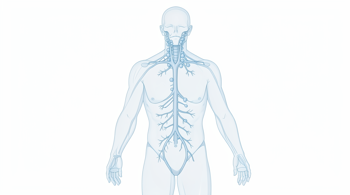
The most frequently reported early indicator of lymphoma is painless swelling in the lymph nodes, commonly found in the neck, underarms, or groin area 2. These enlarged nodes may feel rubbery to the touch and are often noticed during routine activities, such as showering or shaving 6. While these lumps are frequently caused by non-cancerous infections, they become a significant concern when they persist for several weeks, continue to grow, or do not respond to typical treatment protocols 9. Medical professionals advise that any lymph node enlargement lasting longer than six weeks warrants a professional diagnostic assessment to rule out malignancy 9.
Understanding 'B Symptoms' and Their Clinical Significance
In clinical oncology, the term 'B symptoms' refers to a specific cluster of systemic signs that provide critical data for staging the disease and determining the prognosis of both Hodgkin and non-Hodgkin lymphoma 3, 9. These symptoms are systemic, meaning they affect the entire body rather than being localized to a single area 9. The three core B symptoms include recurrent unexplained fevers that often exceed 38 degrees Celsius or 100.4 degrees Fahrenheit, drenching night sweats that may necessitate changing bedclothes, and significant unintentional weight loss 3, 4, 9. Weight loss is specifically defined as a reduction of 10 percent or more of an individual's total body weight over a six-month period without intentional dieting 3. The presence of these markers is essential information for a patient's care team when designing therapeutic pathways 3.
Common Systemic and Non-Specific Warning Signs
Beyond the classic B symptoms and lymphadenopathy, individuals may experience persistent fatigue that does not improve despite adequate rest 3. This exhaustion is a systemic indicator that interferes with daily functional capacity and is frequently reported by patients during their initial clinical encounters 9. Furthermore, some individuals report unexplained, persistent itching-medically referred to as pruritus-which occurs without the presence of a visible skin rash 3. While these generalized symptoms can easily be mistaken for stress or a lingering viral infection, their persistence is a vital cue that necessitates a primary care provider's review 9.
| Symptom Category | Specific Presentation | Clinical Relevance |
|---|---|---|
| Node Involvement | Painless, rubbery swelling in neck, armpits, or groin | Common initial physical indicator |
| Systemic (B Symptoms) | Drenching night sweats, unexplained fever, weight loss | Critical for disease staging |
| General Health | Persistent, unexplained fatigue | Often mistaken for other illnesses |
| Dermatological | Unexplained, persistent itching | Less common but clinically significant |
Respiratory and Abdominal Clinical Indicators
When lymphoma affects tissues within the chest, it may cause pressure on the trachea or lungs, leading to symptoms such as chronic coughing, wheezing, chest pain, or shortness of breath 3. These respiratory issues arise because enlarged lymph nodes or masses can physically obstruct or irritate surrounding structures 9. In the abdominal region, enlargement of the spleen or liver can manifest as persistent pain, bloating, or a feeling of fullness in the stomach even after eating small amounts of food 3. Because these symptoms are deep-seated, they are often identified later in the diagnostic process compared to superficial node swelling 9.
The Importance of Professional Diagnostic Pathways
Because the clinical signs of lymphoma are highly nonspecific and overlap with many common, benign conditions like influenza or minor infections, early detection can be challenging 3, 9. Healthcare systems often utilize specialized diagnostic pathways for patients presenting with these red flags, which may include physical examinations, blood work, diagnostic imaging, and, most definitively, a lymph node biopsy 6, 7, 9. Patients are encouraged to communicate any persistent, unexplained, or worsening symptoms to their primary care providers, as these clinicians are the first point of contact for facilitating the necessary investigative steps to determine the cause of the symptoms 3, 6.
Summary of Diagnostic Considerations
While the statistics suggest that most persistent symptoms of this nature are due to viral or autoimmune conditions rather than malignancy, the risk of lymphoma makes clinical investigation mandatory 8. The unpredictability of the disease progression means that whether a patient exhibits indolent (slow-growing) or aggressive (fast-growing) signs, the underlying biology of the tumor cells dictates the urgency of the clinical response 2, 3. By remaining vigilant about changes in lymph node size and systemic health, patients can ensure that if a diagnostic concern arises, it is addressed within a timeframe that maximizes the potential for effective medical management and improved long-term outcomes 8, 9.
Sources
- Mayo Clinic - Lymphoma Symptoms and Causes
- Cleveland Clinic - Lymphoma Overview
- Fred Hutchinson Cancer Center - Non-Hodgkin Lymphoma Symptoms
- Sheba Medical Center - First Signs of Hodgkin Lymphoma
- Memorial Health System - Lymphoma Health Library
- Acibadem Hospitals Group - Lymphoma Symptoms and Red Flags
- Acibadem Hospitals Group - Lymphoma Risk Factors and Treatment
- Prevention - Tell-Tale Signs of Lymphoma
- Inciteful Med - Non-Hodgkin Lymphoma Patient Guide
- SWAG Cancer Alliance - What You Need to Know About Lymphoma
Authored by MyTrendSpot team