Police Auction Boats and Watercraft for Sale: A Comprehensive Guide to Government Marine Asset Liquidations
Understanding the landscape of police auction boats and watercraft for sale requires a clear distinction between the sources of these vessels and the platforms used for their liquidation 1. Government-run marine sales typically originate from two primary categories: surplus assets, which are retired patrol or agency-owned boats, and seized or forfeited vessels obtained through criminal enforcement actions 1. Navigating these auctions demands awareness of varying legal frameworks, as federal agencies operate differently than local municipal offices or private lienholders acting as government agents 1.
Understanding the Origins of Government Marine Assets
Surplus vessels are watercraft that have reached the end of their service life within a specific law enforcement agency, such as a sheriff's department or state wildlife division 1. These items are often liquidated to make room for newer patrol technology or specialized interceptors 1. Conversely, seized and forfeited boats represent a different legal pipeline, arising from criminal cases involving federal law violations, such as sanctions evasion, tax issues, or narcotics trafficking 1. Once the legal forfeiture process is finalized, these vessels are prepared for public sale by agencies like the U.S. Marshals Service or their contracted asset managers 1, 11.
Platform Diversity and Auction Mechanics
The marketplace for government marine assets is decentralized, utilizing a mix of specialized online portals and localized, in-person events 1. Widely used platforms such as PropertyRoom.com and GovDeals function as centralized hubs where numerous local law enforcement agencies list seized or surplus inventory 2, 9. Federal assets are frequently managed through the General Services Administration (GSA) Auctions portal, which serves as a primary source for marine vessels retired from federal service 2. Prospective participants should recognize that auction formats vary; some are strictly timed online events, while others involve in-person bidding at federal courthouses or designated facilities 3, 4.
The Importance of Physical Inspection and Due Diligence
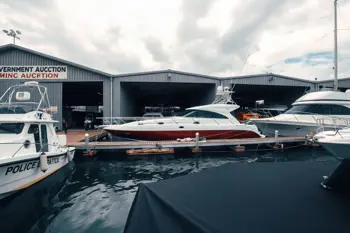
A critical component of the procurement process is the physical condition of the vessel, as government sales are almost universally conducted on an 'as-is' basis 1, 4. Unlike private retail purchases, these auctions do not typically include detailed condition reports or mechanical guarantees 3. Buyers must exercise extreme caution regarding hull integrity, engine functionality, and the status of onboard electronics 3. When in-person inspections are permitted, they often occur during a short window one week prior to the auction date, requiring potential bidders to coordinate directly with the managing agency or marina 4, 5.
Legal and Logistical Considerations for Buyers
Securing a vessel at auction is only the first step in the acquisition process. Winning bidders are responsible for all subsequent logistical requirements, including transport, registration, and potential title processing 1. Issues regarding missing trailer paperwork or outdated documentation are not uncommon in seized asset sales, and buyers may need to engage in specialized legal procedures to obtain a clear title in their jurisdiction 3. Furthermore, payment requirements are strict, often necessitating the use of cash or certified cashier's checks, with no exceptions made for delayed financing or personal checks 4, 6, 7.
| Asset Type | Typical Sale Source | Primary Management |
|---|---|---|
| Surplus Patrol Boat | State/Local Agency | GSA or Municipal Site |
| Seized Yacht | Federal Investigation | U.S. Marshals / CWS |
| Impounded Vessel | Marina Lien | Private Agent/Lienholder |
Categories of Available Watercraft
The inventory found at these auctions is highly diverse, ranging from small, utilitarian center consoles and personal watercraft to large-scale motor yachts measuring nearly 100 feet in length 1, 2. Patrol vessels, such as Boston Whaler skiffs, are common entries in municipal surplus listings, often representing reliable project hulls for buyers capable of refurbishment 1, 6. Luxury vessels seized in federal cases, such as a 1992 Westport 98, may appear in high-profile judicial auctions, drawing interest from a broader range of buyers looking for classic American-built marine architecture 2.
Risk Mitigation and Market Expectations
Potential buyers must account for the reality that boat auctions often involve reserve prices, meaning the asset will not be sold if bids do not reach a pre-determined threshold set by the seller 6, 7. Additionally, the market for government-seized boats is subject to significant fluctuations based on the nature of the seizure and the storage duration of the vessel 3. Long-term storage in marine environments can lead to significant degradation of mechanical systems, making a thorough assessment of the boat's storage history as important as its technical specifications before entering a bid 3. Always review the specific Notice of Sale for each vessel, as it constitutes the legally binding document that outlines all procedures and requirements for that specific auction event 2.
Sources
- LegalClarity: Police Boat Auctions: Federal, State, and Online Platforms
- National Liquidators: 1992 Westship 98 Auction Data
- Government Auctions Blog: How Government Boat Auctions Online Work
- NoticeRegistry: Public Hearing and Lien Sale Records
- NoticeRegistry: Public Notice of Sale, Fort Lauderdale
- NoticeRegistry: Public Notice of Sale, St. Petersburg
- Starbridge: Orange County Sheriff's Department RFP Data
- PropertyRoom: Official Law Enforcement Seized Property Portal
- GovDeals: Government Surplus and Seized Equipment Portal
- GSA Auctions: Federal Government Asset Liquidations
- CWS Marketing: Federal Asset Management Services
Authored by MyTrendSpot team