Signs you may have seasonal allergies: A Clinical Guide to Recognizing Patterns
Signs you may have seasonal allergies often appear as repeated sneezing, an itchy or runny nose, congestion, and watery eyes after exposure to outdoor pollen. Seasonal allergic rhinitis is an immune response to airborne particles from trees, grasses, weeds, and molds, rather than a contagious infection. 1
Recurring sneezing and nasal symptoms
Repeated bouts of sneezing are among the most recognizable signs of seasonal allergies. The nose may alternate between clear drainage and blockage, while itching can affect the nose, throat, ears, or roof of the mouth. Symptoms often begin quickly after contact with an outdoor trigger, such as pollen, and can become more noticeable during high-pollen periods. 5
Allergic congestion develops when the nasal passages become inflamed. A runny nose associated with allergies is commonly clear, and nasal symptoms may persist as long as the relevant allergen remains present. Postnasal drip can irritate the throat and contribute to coughing or repeated throat-clearing, particularly when congestion affects sleep. 2
Itchy, watery, or red eyes
Eye symptoms are an important clue because allergies commonly cause itching, watering, and redness in the conjunctiva, the membrane covering the eye. Some people also notice burning or a gritty sensation. These effects occur when the immune system reacts to airborne allergens and releases signals that produce inflammation around the nose and eyes. 1
Persistent itchiness is more characteristic of seasonal allergies than of a typical cold. Allergy-related eye symptoms may intensify outdoors, during gardening, or after other exposure to pollen. Rubbing the eyes can increase irritation, so the combination of itchy eyes, repetitive sneezing, and a clear runny nose is a particularly useful pattern to note. 3
Timing linked to pollen and weather
A predictable annual pattern is another sign of seasonal allergic rhinitis. In temperate North America, tree pollen symptoms commonly peak from March through May, grass pollen symptoms are often strongest in June and July, and ragweed symptoms generally worsen from mid-August through October. The exact timing varies according to location and the plant responsible. 1
Mold-related symptoms are less predictable because molds thrive in damp, dark conditions. Warm, rainy weather can increase mold exposure, with summer and fall often representing higher-risk periods in the United States. Symptoms that flare after outdoor activity, improve indoors, or correspond with local pollen changes may provide useful context for a clinician. 1
How allergies differ from a cold
Seasonal allergies and colds can both cause sneezing, congestion, coughing, and a runny nose, but their patterns differ. Allergy symptoms often start rapidly after exposure, recur during the same season, and continue for weeks or months while the trigger remains present. A cold usually develops gradually over one to three days and commonly improves within about a week. 7
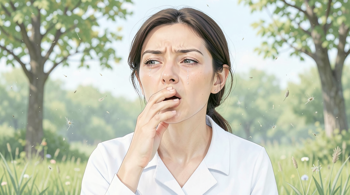
Itchiness of the eyes, nose, or throat strongly favors allergies, while fever, body aches, chills, and a more general feeling of illness are more consistent with an infection. Seasonal allergies are not caused by a virus and are not contagious. Fever is uncommon with allergic rhinitis, so persistent fever or worsening illness should not automatically be attributed to pollen. 3
Fatigue, sleep disruption, and cough
Seasonal allergies can cause fatigue even without producing the body aches associated with many viral illnesses. Nasal blockage, nighttime coughing, and postnasal drainage can interfere with sleep, leaving a person tired during the day. Headaches may also occur when congestion contributes to pressure around the nose and sinuses. 4
Coughing does not exclude allergies, particularly when mucus drains down the throat. However, coughing, wheezing, or shortness of breath during outdoor activities can indicate that seasonal allergens are aggravating asthma or another airway problem. People who notice breathing symptoms with recurring allergy exposure should discuss the pattern with a primary care clinician or allergy specialist. 6
Risk factors and when to seek evaluation
Seasonal allergies are more common among people with a family history of allergies and those with related conditions such as eczema or childhood asthma. Symptoms often peak during childhood and adolescence, although allergic rhinitis can affect people in every age group. In the United States, more than one-quarter of adults and nearly 20% of children are reported to have seasonal allergies. 2
Medical evaluation is appropriate when symptoms are severe, recurrent without a clear trigger, or disruptive to sleep and daily activities. Facial pain, thick discolored mucus, or persistent fever may suggest an infection or another condition rather than uncomplicated allergies. Breathing difficulty, wheezing, or worsening respiratory symptoms require particular attention because they may involve asthma or another airway disorder. 7
What symptom patterns can reveal
Keeping track of timing, exposure, and duration can help distinguish seasonal allergies from other causes of respiratory symptoms. Useful observations include whether symptoms recur at the same time each year, intensify after outdoor activity, improve when pollen levels fall, or respond to clinician-recommended allergy treatment. No single symptom confirms a diagnosis, but a consistent cluster can guide further assessment. 3
Outdoor pollen comes primarily from trees, grasses, and weeds, while mold exposure is associated with damp conditions. Local weather and geography influence when these triggers are present, and changing temperatures can contribute to earlier or longer pollen seasons. A clinician may consider personal history, examination findings, seasonal timing, and possible asthma or infection when evaluating persistent symptoms. 2
Sources
- Harvard Health Publishing, Hay Fever (Allergic Rhinitis)
- Yale Medicine, Seasonal Allergies Are Back
- Ascension, Is it allergies, a cold or the flu?
- American Medical Association, What doctors want patients to know about seasonal allergies
- University of Kentucky UKNow, Not all sniffles are allergies
- UCHealth Today, Is it a springtime allergy or cold?
- AllergyAva, Allergies vs. Cold Symptoms
Authored by MyTrendSpot team