Warning Signs of Rheumatoid Arthritis: Clinical Insights into Early Detection and Symptom Progression
Understanding the Warning Signs of Rheumatoid Arthritis is essential for individuals experiencing persistent musculoskeletal discomfort, as early identification remains the most effective strategy for preserving joint function and reducing long-term disability 7. Unlike degenerative conditions triggered by physical wear and tear, rheumatoid arthritis (RA) is a chronic, systemic autoimmune disease characterized by the immune system mistakenly attacking the synovial lining of the joints 1, 3. This inflammatory process releases enzymes and cytokines that can lead to progressive damage of cartilage, tendons, and bone if left unaddressed 1, 2. Approximately 0.5% of the global population is affected by this condition, which demonstrates a marked predilection for women, who are diagnosed two to three times more frequently than men 2, 3.
Symmetrical Joint Manifestations and Stiffness
A hallmark diagnostic indicator of rheumatoid arthritis is the presence of symmetrical symptoms, where identical joints on both sides of the body are affected simultaneously 1, 5. While the disease can manifest in any synovial joint, it most commonly originates in the smaller joints of the hands, wrists, and feet before potentially progressing to larger joints such as the shoulders, knees, and ankles 3, 5. Clinical observations indicate that the lower spine is typically spared from these specific inflammatory processes 5. Joints affected by RA often exhibit visible swelling, warmth, and significant tenderness upon physical examination 5, 7.
Morning stiffness represents another core clinical symptom, frequently lasting longer than 60 minutes after awakening or following periods of prolonged inactivity 3, 5. While many people may dismiss these early episodes as simple effects of aging, stress, or repetitive use injuries like typing, the duration and consistency of this stiffness are key differentiators for inflammatory arthritis 6, 8. Patients may also observe a reduction in their overall grip strength and a diminished range of motion as the synovial membrane thickens and inflames over time 7, 8.
Systemic Symptoms and Prodromal Indicators
Beyond localized joint distress, RA is a systemic disease that frequently causes non-articular symptoms. Patients often report persistent, debilitating fatigue that does not resolve with adequate sleep 6, 9. This exhaustion is often attributed to the body’s constant inflammatory response, which consumes significant metabolic energy 9. Other prodromal or accompanying symptoms include low-grade fevers, loss of appetite, and general feelings of malaise, which may manifest even before significant joint pain becomes apparent 3, 7.
As the disease progresses, patients might experience complications involving other organ systems. This can include Sjögren’s syndrome, characterized by extreme dryness of the eyes and mouth, or pulmonary issues such as pleurisy, which results in chest pain during respiration 5. Furthermore, some individuals may notice numbness, tingling, or burning sensations in the hands and feet, signaling potential neurological or vascular involvement 5. These systemic effects highlight the importance of viewing rheumatoid arthritis as a comprehensive medical condition rather than a simple joint ailment 7.
Diagnostic Criteria and Clinical Assessment
Physicians typically rely on a combination of clinical evaluations, blood work, and imaging to confirm an RA diagnosis. Laboratory tests often look for the presence of rheumatoid factor or anti-cyclic citrullinated peptide (anti-CCP) antibodies, which are highly specific indicators of the disease 3, 5. The diagnostic process is often formalized when a patient presents with pain and swelling in one or more joints that has persisted for at least six weeks, alongside supportive laboratory findings 5.
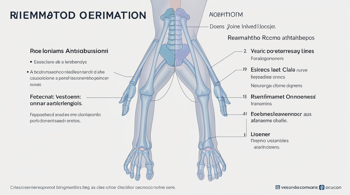
| Clinical Indicator | Description |
|---|---|
| Symmetry | Affects the same joint on both sides of the body. |
| Morning Stiffness | Persists for 60 minutes or longer upon waking. |
| Joint Appearance | Often swollen, warm, and tender to the touch. |
| Systemic Signs | Fatigue, fever, or localized nodules under skin. |
The Significance of Early Intervention
The window for effective intervention in rheumatoid arthritis is notably narrow, with evidence suggesting that irreversible damage to cartilage and bone can initiate within the first few months of symptom onset 7. Because of this, rheumatologists emphasize that prompt evaluation is critical to slowing the progression of the disease 2, 7. Modern treatment strategies involve the use of disease-modifying antirheumatic drugs (DMARDs) to reduce inflammatory cytokine activity, effectively preserving joint integrity and long-term functional capacity 2, 3.
Delaying medical consultation often leads to more aggressive disease progression, including the development of joint deformities such as swan-neck or boutonnière finger configurations 3, 7. Furthermore, advanced disease may lead to the formation of rheumatoid nodules, which are firm, often flesh-colored bumps that typically develop under the skin near bony prominences like the elbows 5. These physical manifestations are indicative of more severe or long-standing disease processes that require specialized medical management 5.
Fluctuating Symptoms and Flares
The clinical course of rheumatoid arthritis is rarely linear; it is characterized by cycles of flares and periods of relative remission 8. During a flare, symptoms significantly intensify, with increased pain, swelling, and systemic fatigue 8. These episodes can be triggered by a variety of factors, including extreme physical or emotional stress, acute infections, or even shifts in weather patterns 8. Understanding these triggers can assist patients and their clinical teams in better managing the frequency and severity of symptom exacerbations.
Patients are often advised to monitor their joint health and record the frequency of these flares to provide clinicians with an accurate history. Maintaining a daily log of joint tenderness and duration of morning stiffness is a standard approach recommended by rheumatology specialists to track disease activity over time 8. By documenting these patterns, individuals can better navigate the complexities of living with a chronic autoimmune condition while ensuring they adhere to their therapeutic regimen 2, 8.
Regulatory and Long-Term Management Realities
Managing rheumatoid arthritis involves long-term commitment to care, as the condition requires ongoing monitoring of blood work, joint integrity, and organ function 2, 3. Treatment regimens may include physical and occupational therapy to maintain mobility, as well as the use of various pharmacological agents, ranging from nonsteroidal anti-inflammatory drugs to advanced biologic therapies 3, 10. Regular follow-ups with a rheumatologist are standard for adjusting these treatments and addressing any potential side effects related to long-term medication use 2.
There is currently no known cure for RA, making consistent adherence to professional medical advice the foundation of health management 3. Individuals are encouraged to prioritize care from board-certified rheumatologists to ensure they are utilizing evidence-based treatment pathways. By focusing on early diagnosis and consistent monitoring, it is often possible to prevent the most severe outcomes of the disease, allowing for a better quality of life and sustained independence for the majority of those diagnosed 2, 7.
Sources
- Harvard Health: Rheumatoid Arthritis - A to Z
- Merck Manual Professional Edition: Rheumatoid Arthritis (RA)
- Merck Manual Consumer Version: Rheumatoid Arthritis (RA)
- MSD Manual Consumer Version: Rheumatoid Arthritis (RA)
- Penn Medicine: Rheumatoid Arthritis
- Prevention.com: Doctors Explain 12 Rheumatoid Arthritis Symptoms to Know
- Acibadem Hospitals Group: Rheumatoid Arthritis Symptoms: Possible Causes and When to Seek Care
- The Rheum Doc: Early Signs of Rheumatoid Arthritis You Shouldn’t Ignore
- Tristate Arthritis & Rheumatology: 7 Early Warning Signs of Rheumatoid Arthritis
- Suite Life Health: How to Recognize the First Signs of Rheumatoid Arthritis
Authored by MyTrendSpot team