Warning signs of depression: A clinical guide to recognition and support
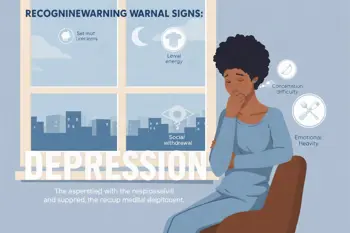
Warning signs of depression may appear as persistent sadness, emptiness, hopelessness, irritability, or a loss of interest in activities once enjoyed. Changes in sleep, appetite, energy, concentration, physical comfort, and daily functioning can also provide important clues, particularly when several symptoms continue for at least two weeks. 1
How depression differs from temporary sadness
Sadness can follow grief, conflict, exhaustion, illness, or another difficult event and may gradually ease. Depression is more persistent and affects how a person thinks, feels, behaves, and functions across ordinary responsibilities. Cleveland Clinic describes depression as ongoing sadness or loss of interest that lasts most of the day, nearly every day, for at least two weeks and interferes with functioning. 2
A person does not need to appear visibly distressed to be experiencing depression. Johns Hopkins notes that mood changes can be subtle and may resemble burnout or exhaustion, while Cleveland Clinic describes early signs such as feeling unusually tired, avoiding people or familiar activities, and struggling to focus or make decisions. 3 A healthcare professional must distinguish depression from grief, medical conditions, medication effects, or another mental-health condition. 4
Emotional and behavioral warning signs
Common emotional signs include a lasting sad, anxious, empty, numb, or disconnected mood; hopelessness; irritability; reduced motivation; and diminished pleasure. Loss of interest is especially significant when activities that once felt rewarding no longer produce enjoyment. Depression may also involve recurring self-doubt, helplessness, feelings of worthlessness, or guilt that is excessive or unrelated to a person’s actual responsibility. 5
Behavioral changes can be easier for relatives, friends, or colleagues to notice than internal feelings. A person may withdraw socially, stop participating in usual interests, neglect routines, or struggle to meet work, school, relationship, or self-care responsibilities. The change is often relative to that person’s normal pattern rather than a universal standard. Even someone who continues performing duties may be struggling internally and may benefit from a clinical evaluation. 6
Sleep, appetite, energy, and thinking changes
Depression commonly affects basic biological rhythms. Warning signs can include difficulty falling asleep, waking during the night, waking too early, or sleeping substantially more than usual. Appetite may increase or decrease, producing related weight changes. Low energy and a sense of being slowed down can occur almost every day, while some people experience agitation, restlessness, or increased irritability instead. 7
Cognitive symptoms may include poor concentration, forgetfulness, slowed thinking, indecision, and difficulty completing familiar tasks. These changes can affect academic performance, workplace decisions, conversations, and household organization. Johns Hopkins lists trouble concentrating or making decisions among common depression symptoms, while Harvard Health reports that loss of enjoyment and profound sadness or despair may continue beyond the minimum two-week period used to define a major depressive episode. 8
Physical symptoms and effects on functioning
Depression is not limited to emotions or thoughts. It can be accompanied by unexplained aches, headaches, digestive problems, slowed movement, changes in speech, and a persistent sense of physical heaviness. These symptoms may be particularly important when a person does not describe feeling sad but reports declining energy, disrupted sleep, or unexplained bodily discomfort. Physical symptoms still require medical consideration because they can have other causes. 9
The practical effect on daily life helps indicate clinical significance. Depression may disrupt attendance, productivity, relationships, household responsibilities, personal hygiene, eating patterns, or the ability to make routine decisions. Merck Manual describes depression as sadness, emptiness, or irritability intense enough to interfere with functioning, and reports that untreated episodes may last about six months or sometimes two years or longer. 4 Symptoms can also recur across a person’s life. 7
Warning signs in children and adolescents
Depression in younger people may not resemble an adult presentation. Irritability can be more prominent than sadness, and warning signs may include withdrawal from friends, declining school performance, reduced interest in activities, changes in sleeping or eating, unexplained physical complaints, and difficulty concentrating. A noticeable change from the child’s usual behavior is important, especially when it persists and affects school, family life, or peer relationships. 10
Adults should avoid interpreting these changes automatically as laziness, defiance, or ordinary adolescent moodiness. The same symptom can have multiple explanations, including stress, medical illness, medication effects, anxiety, substance use, or another mental-health condition. A qualified healthcare provider can assess the duration, severity, context, and combination of symptoms. Johns Hopkins emphasizes that depression can begin at different ages and that diagnosis depends on a professional assessment rather than a symptom checklist alone. 2
When to seek help and respond to safety risks
Several warning signs lasting two weeks or longer warrant a healthcare evaluation, particularly when they interfere with normal functioning. Johns Hopkins states that five or more listed symptoms present for at least two weeks may meet criteria for depression, provided they represent a noticeable change from what is normal for the person. This threshold is not a substitute for diagnosis, and fewer symptoms can still justify professional attention when distress or impairment is substantial. 2
Thoughts of death, wishing to die, suicidal thinking, a suicide plan, or a suicide attempt require urgent attention. In the United States, the 988 Suicide and Crisis Lifeline provides support by call, text, or chat for people experiencing suicidal thoughts or emotional distress; an immediate safety risk requires emergency services by calling 911. 11 A person at risk should not be left alone, and dangerous means should be moved away when doing so can be done safely. Depression is treatable with approaches that may include psychotherapy, medication, or both. 4
Sources
- HelpGuide.org, “Spot the Warning Signs of Depression”
- Johns Hopkins Medicine, “Major Depression”
- Cleveland Clinic, “Signs a Depressive Episode Is Coming”
- Merck Manual Consumer Version, “Depression”
- Harvard Health, “Depression Overview”
- Johns Hopkins Medicine, “Recognizing and Getting Help for Mood Disorders”
- MSD Manual Consumer Version, “Depression”
- Merck Manual Professional Edition, “Depressive Disorders”
- Mayo Clinic, “Depression: Symptoms and Causes”
- Geisinger, “Clinical Depression Symptoms You Shouldn’t Ignore”
- 988 Suicide & Crisis Lifeline
Authored by MyTrendSpot team