Natural remedies for managing dry eyes: An analytical overview of clinical research and supportive care strategies
When exploring options for managing ocular surface discomfort, many individuals seek information regarding natural remedies for managing dry eyes 1. It is essential to recognize that in clinical practice, there is no single substance that serves as a universal substitute for the human tear film 1. The most reliable approaches often involve supporting the eye's natural lubrication mechanisms through lifestyle adjustments, consistent eyelid hygiene, and evidence-based supportive care 1.
The Anatomy of Natural Ocular Lubrication
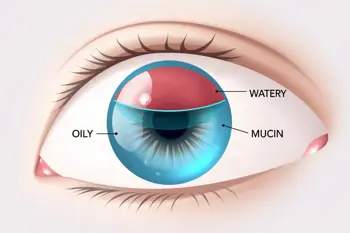
The human tear film is a sophisticated biological system consisting of three critical components: a watery aqueous layer, a protective oily lipid layer, and a mucus-based layer 1. When these layers are imbalanced, symptoms such as irritation, dryness, and ocular fatigue frequently occur 1, 7. Managing these issues often requires addressing the meibomian glands, which produce the essential lipids that coat the ocular surface to prevent the underlying watery tear fluid from evaporating prematurely 2.
When clinicians evaluate dry eye disease, they look for obstructions in these glands that lead to tear film instability and inflammation 2. Rather than seeking exotic substances, clinical guidance emphasizes that supporting these glands is the most effective natural approach 1. Standardized care often includes the use of warm compresses to help loosen obstructed oils and improve the quality of meibum secretion, thereby restoring the stability of the tear film 1, 4.
Environmental and Lifestyle Modifications
Environmental factors play a significant role in tear evaporation rates, making modifications a primary strategy for symptom management 1. The use of a humidifier in indoor environments can help maintain moisture levels, while individuals are encouraged to limit exposure to direct air from fans or air conditioning systems, which can accelerate tear loss 1, 8. Furthermore, protecting the eyes from wind and irritants like smoke is consistently identified as a helpful measure in reducing discomfort 9.
Digital eye strain represents a growing concern, with many individuals failing to blink sufficiently while focusing on computer or phone screens 8. Conscious, frequent blinking and adhering to structured screen breaks can significantly mitigate evaporative stress on the ocular surface 1, 8. For contact lens wearers, reducing daily wearing time or transitioning to glasses during periods of heightened symptoms can provide necessary relief to the ocular surface 1, 9.
Reviewing Traditional and Integrative Therapeutic Approaches
Research into traditional medical systems has expanded the scope of potential adjunct therapies. Studies involving Ayurvedic practices have examined the efficacy of targeted interventions, such as nasal oil instillations and the use of specific plant-based eye drops, to address meibomian gland dysfunction 7. Additionally, randomized controlled trials have explored the use of Jyothi Trataka, a traditional visual concentration exercise, as a cost-effective adjunct for improving ocular surface disease index scores and tear film break-up time 6.
Botanical extracts, including formulations involving Triphala Ghrita and Shatavari Ghrita, are currently under investigation for their potential role in managing ocular surface diseases, particularly in populations where hormonal changes contribute to dry eye symptoms 10. While these traditional approaches offer potential for further study, they are generally applied as complementary methods alongside established diagnostic and monitoring protocols to ensure patient safety and long-term efficacy 5.
Oral Supplementation and Nutritional Considerations
Oral supplements represent a growing area of interest, with research examining the role of various micronutrients in maintaining ocular homeostasis 3. Systematic reviews of vitamin supplementation have highlighted the influence of vitamins A, B1, B12, and D on the severity of symptoms, although evidence remains limited by the need for larger, well-controlled trials 3. Some evidence also suggests that polyunsaturated fatty acids and other botanical compounds like astaxanthin may support meibomian gland function 2.
Recent studies have specifically explored the impact of sunflower lecithin supplementation on meibomian gland health in adults with dry eye disease 8. While these findings are promising, they highlight the necessity of professional consultation before initiating any supplement regimen. Supplements may interact with existing medications or health conditions, and clinical evidence regarding their long-term efficacy remains mixed, emphasizing the need for tailored, physician-supervised care rather than self-directed supplementation 1.
Emerging Topical Formulations and Research
Modern clinical research is evaluating naturally derived topical formulations that move beyond simple lubrication. For instance, studies have examined the potential of Manuka honey-based eye drops in managing symptoms, particularly in post-surgical contexts such as recovery from cataract procedures 9. These investigations aim to compare the efficacy of such substances against standard artificial tears, focusing on their potential anti-inflammatory and antioxidant properties 9.
Additional research is exploring the therapeutic potential of tea tree oil, green tea extracts, and coenzyme Q10 for managing ocular surface inflammation 2. Despite this interest, medical professionals strongly caution against the direct application of homemade mixtures, herbal infusions, or non-sterile water to the eyes 1. The risk of contamination, which can lead to severe infections or permanent ocular damage, necessitates that any topical product used in the eye meets rigorous sterility and regulatory standards 1, 6.
When to Seek Professional Evaluation
Dry eye disease is a complex, multifactorial condition often linked to systemic factors, medication side effects, or chronic inflammation 4, 9. While lifestyle measures can be highly effective for mild symptoms, persistent or painful dryness requires a formal medical assessment to identify the underlying cause 1, 10. Early diagnosis and targeted treatment are vital to prevent complications such as corneal ulceration or scarring 4.
| Approach | Focus Area | Key Consideration |
|---|---|---|
| Warm Compresses | Lipid Secretion | Improves meibomian gland function. |
| Eyelid Hygiene | Irritant Reduction | Reduces debris on the eyelid margin. |
| Lifestyle Changes | Evaporation Control | Involves blinking and humidity control. |
| Dietary Support | Systemic Homeostasis | Requires consultation for safety. |
| Clinical Therapies | Inflammation Management | Requires sterile, regulated products. |
Sources
- Web Eye Clinic: What Is the Best Natural Lubricant for Dry Eyes?
- Springer Nature: Pharmacological, Natural and Emerging Therapies for Meibomian Gland Dysfunction
- Springer Nature: The Efficacy of Oral Vitamin Supplementation in Dry Eye Disease
- Frontiers in Pharmacology: Managing dry eye disease and traditional Chinese medicine
- Springer Nature: Natural products as alternative therapies for eye disorders
- Frontiers in Medicine: Yoga as a cost-effective adjunct therapy for dry eye
- Frontiers in Medicine: Integrating ayurvedic eye care into primary health practice
- Cureus: Effect of Sunflower Lecithin Supplementation on Meibomian Gland Function
- News-Medical: Manuka honey eye drops outperform artificial tears for dry eye relief
- Frontiers in Medicine: Comparative efficacy of Shatavari Ghrita eye drops
Authored by MyTrendSpot team