Early symptoms of Kidney Stones you should know: Clinical Warning Signs and Red Flags
Early symptoms of Kidney Stones you should know include sharp pain in the back, side, lower abdomen, or groin, along with changes in urination and sometimes nausea or vomiting. Kidney stones can remain unnoticed while inside the kidney, so symptoms often begin when a stone travels into the ureter and obstructs urine flow. 1
Why early symptoms can be difficult to recognize
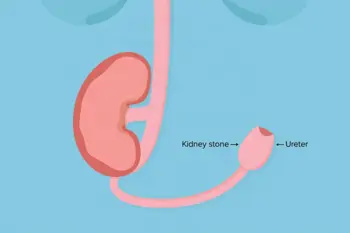
A kidney stone is a hard deposit formed from minerals and salts that crystallize when urine contains high concentrations of substances such as calcium, oxalate, or phosphorus. Some stones are as small as grains of sand and pass through the urinary tract without discomfort. A stone may cause no symptoms while it remains in the kidney, meaning the absence of pain does not necessarily show that a stone is absent. 1
Symptoms commonly become noticeable after the stone moves into the ureter, the narrow tube connecting the kidney with the bladder. A lodged stone can obstruct urine flow, irritate the urinary tract, and trigger spasms that produce severe pain. The pattern varies according to the stone’s size, position, and movement, so early discomfort may be mild, intermittent, or difficult to distinguish from another urinary or abdominal problem. 2
Sharp pain in the back, side, or abdomen
The most characteristic warning sign is sudden, sharp, or cramping pain in the side or back, usually below the ribs. Pain can spread toward the lower abdomen, pelvis, or groin as the stone travels downward. It may come in waves, increase and decrease in intensity, and last for either a short or extended period. Patients may find it difficult to remain comfortable because the intensity changes as the ureter contracts. 2
Location can change during the episode, which can make the problem seem unrelated to the kidney. Flank or back pain may later be felt near the lower abdomen or groin, while a stone closer to the bladder may produce more urinary discomfort. Severe pain can occur even with a relatively small stone if urine flow is blocked. Pain alone cannot confirm a kidney stone, because other serious conditions can produce similar symptoms. 3
Blood and other changes in urine
Blood in the urine, known medically as hematuria, may be an early sign. The urine can appear pink, red, or brown, although bleeding may be visible only on testing. A moving stone can scrape or irritate the lining of the urinary tract, allowing blood to enter the urine. Any unexplained blood in urine warrants assessment because kidney stones are one possible cause, but not the only one. 1
Urinary changes may also include a constant, frequent, or urgent need to urinate, particularly when the stone is near the bladder. Burning or pain during urination can occur, and some people may produce only a small amount of urine. Cloudy or bad-smelling urine is more concerning when combined with pain because it may indicate infection. These findings should not be assumed to represent a routine bladder infection without clinical evaluation. 4
Nausea, vomiting, and related symptoms
Nausea and vomiting frequently accompany kidney stone pain. The intense pain produced by ureteral obstruction can affect the gastrointestinal system, so digestive symptoms may appear at the same time as flank or abdominal pain. Vomiting can also make it difficult to maintain fluid intake, which is clinically important when urine flow is already impaired. Persistent vomiting is more concerning than brief nausea because it can prevent adequate hydration and medication intake. 5
Digestive symptoms without urinary symptoms do not establish that a kidney stone is present. However, nausea or vomiting alongside wave-like flank pain, blood in the urine, or painful urination strengthens the reason to seek medical assessment. A clinician may use the symptom pattern, urine testing, blood testing, and imaging to determine whether a stone is present and whether it is obstructing the urinary tract. 6
Fever and chills are important warning signs
Fever and chills are not simply additional indicators of pain severity. When they occur with suspected kidney stone symptoms, they may signal a urinary infection behind or alongside an obstruction. An obstructed urinary system can make infection more dangerous because urine and bacteria may not drain normally. For that reason, fever, chills, or a generally unwell feeling with flank pain requires prompt medical attention rather than observation at home. 1
Cloudy or foul-smelling urine can also accompany infection, especially when urinary burning, urgency, or fever is present. An uncomplicated small stone may pass without infection, but symptoms cannot reliably establish that a case is uncomplicated. The combination of obstruction and infection is a serious clinical concern, and evaluation is particularly important for people with a single kidney or another significant medical condition. 3
When kidney stone symptoms require urgent care
Urgent medical evaluation is warranted for uncontrollable or severe pain, inability to urinate, persistent vomiting, or pain accompanied by fever or chills. Difficulty passing urine may indicate blockage, while fever with flank pain may indicate infection. These warning signs can occur together, and waiting for symptoms to resolve may allow obstruction or infection to worsen. The appropriate setting depends on severity and medical history, but emergency assessment is appropriate when these red flags are present. 3
- Sharp or wave-like pain in the back, side, lower abdomen, or groin, especially when severe. 2
- Visible pink, red, or brown urine, or blood detected during urine testing. 1
- Inability to urinate, or passage of only a very small amount of urine. 1
- Fever, chills, persistent vomiting, or uncontrolled pain with suspected stone symptoms. 3
What symptom patterns can and cannot show
Symptoms can suggest a kidney stone, but they cannot identify its size, exact location, composition, or effect on kidney function. Small stones may pass with little discomfort, while a stone that blocks the ureter can cause extreme pain. Some stones produce urinary symptoms, whereas others primarily cause flank pain. Because symptoms overlap with urinary infections and other abdominal or back conditions, diagnosis generally requires professional assessment rather than symptom comparison alone. 6
A useful record for a clinician includes when the pain began, whether it comes in waves, where it travels, changes in urine color or smell, urinary frequency, painful urination, vomiting, fever, and chills. This information does not replace testing, but it can clarify the progression of symptoms. Medical sources consistently identify severe pain, blood in urine, nausea or vomiting, fever, chills, and difficulty urinating as symptoms that should receive medical attention. 4
Sources
- National Institute of Diabetes and Digestive and Kidney Diseases, Symptoms & Causes of Kidney Stones: https://www.niddk.nih.gov/health-information/urologic-diseases/kidney-stones/symptoms-causes
- Mayo Clinic, Kidney Stones: Symptoms and Causes: https://www.mayoclinic.org/diseases-conditions/kidney-stones/symptoms-causes/syc-20355755
- Cedars-Sinai, Kidney Stones: What Are the Signs and When to Seek Treatment?: https://www.cedars-sinai.org/stories-and-insights/expert-advice/kidney-stones
- MedlinePlus, Kidney Stones: https://medlineplus.gov/ency/article/000458.htm
- Cleveland Clinic, Kidney Stones: https://my.clevelandclinic.org/health/diseases/15650-kidney-stones
- Urology Care Foundation, Kidney Stones: https://www.urologyhealth.org/urology-a-z/k/kidney-stones
Authored by MyTrendSpot team