High-Quality Full Arch Restoration: A Fast and Accessible Solution: Clinical Realities and Patient Considerations
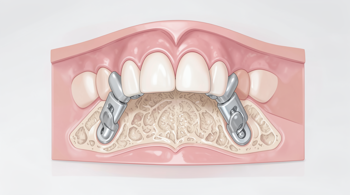
Full arch implant restoration is a comprehensive dental procedure designed to replace an entire row of missing or failing teeth with a fixed bridge supported by a strategic number of dental implants 1. Unlike traditional removable dentures, this treatment provides a permanent solution that is secured into the jawbone, effectively restoring chewing function and facial support while eliminating the need for daily adhesives or removal 2, 4. As a major clinical intervention, the process requires thorough evaluation, including advanced imaging like CBCT scans, to determine if a patient possesses the necessary bone density and systemic health to support the procedure 3, 6.
Understanding the Procedural Workflow
The standard full arch protocol involves anchoring a custom-designed prosthesis to four to six dental implants per jaw 1. In many clinical scenarios, surgeons utilize an immediate loading protocol, often referred to as teeth-in-a-day, which allows the patient to receive a temporary fixed bridge on the day of the surgery 6, 10. Following this initial phase, a healing period of three to six months is typically required for the implants to integrate fully with the surrounding bone tissue, after which the final, durable prosthesis is fabricated and attached 1, 3. Some providers implement specialized digital workflows, such as intraoral photogrammetry, to increase precision and efficiency during the design and placement phases 5.
Candidacy and Clinical Assessment
While full arch restoration is a versatile option for patients with severe tooth loss or failing dentition, it is not a universally applicable solution 2, 6. Clinical candidacy depends on several critical factors, including overall systemic health, bone volume, primary implant stability, and the patient's existing bite forces 9, 10. Patients with significant bone loss may still be candidates, as clinicians can employ techniques such as angled implants or bone grafting to maximize available structural support without requiring extensive sinus augmentation in all cases 1, 5. A comprehensive medical and dental evaluation is the mandatory first step for every patient to ensure the treatment plan is safe and predictable 7.
| Feature | Description |
|---|---|
| Number of Implants | Typically 4 to 6 per arch |
| Prosthesis Type | Fixed bridge, non-removable by patient |
| Common Terminology | All-on-4, All-on-X, Full-arch reconstruction |
| Primary Goal | Restore function, aesthetics, and bone stimulation |
Financial and Insurance Considerations
Full arch restoration represents a significant investment in oral health, with average market costs typically ranging from $20,000 to $50,000 per arch 1. These costs are highly variable and depend on factors such as the choice of restorative materials, the number of implants required, the complexity of the surgical case, and regional provider pricing 1. Because routine dental insurance and standard Medicare coverage are generally limited regarding major implant dentistry, patients often rely on private dental plans, Medicare Advantage benefits, or self-payment options to cover the total expenditure 9, 11.
Risk Management and Surgical Realities
As with any surgical procedure involving the jawbone, full arch restoration carries inherent risks that must be discussed during the consultation process 7. Potential complications include infection, damage to adjacent anatomical structures, failure of the implants to integrate with the bone, and sinus complications when working in the upper jaw 7. Furthermore, modern clinical guidance emphasizes that successful outcomes depend on smart case selection rather than marketing promises; patients should be wary of any procedure presented as a guarantee without a rigorous, personalized assessment of their clinical needs 3, 7.
Long-Term Maintenance and Oral Health
A full arch fixed prosthesis is not a set-and-forget solution; it requires a lifelong commitment to maintenance to ensure the longevity of the implants and the health of the surrounding tissues 1. Professional cleanings are required every three to six months to prevent the onset of peri-implant disease, an inflammatory condition that can lead to bone loss around the implant sites 1, 5. Additionally, patients must perform diligent daily cleaning beneath and around the prosthesis to maintain hygiene in areas that are not self-cleansing 1. Establishing a long-term care plan with a prosthodontist or specialized dental team is essential for managing the ongoing health of the restoration 1, 6.
Sources
- Full Arch Implant Restoration Guide - My Specialty Dentist
- Am I a Candidate for Full Arch Fixed Prosthesis? - Spring St. Dental
- Full Arch Restoration: Cost, Process & Benefits - International Implant Institute
- Full-Arch Restoration: How It Works and What to Expect - Destination Dental USA
- Same-Day Full-Arch Immediate Loading Using Intraoral Photogrammetry - Shining 3D
- All-on-4 Dental Implants Explained: Same-Day Smile - Dr. Antipov
- Full-Arch Implants: Done In One - Done In One
- All-on-X Full-Arch Dental Implants - Advanced Restorative Solutions
- Can I Really Get Teeth in One Day? - Bucks County Periodontics
- New Teeth in One Day - Atlanta Dental Center
- National Institute of Dental and Craniofacial Research
- U.S. Food and Drug Administration
- Mayo Clinic
- Cleveland Clinic
- American Academy of Periodontology
- American College of Prosthodontists
- NHS Dental Implants
- Healthdirect Australia
- PubMed: Systematic Review on Immediate Loading
- PubMed Central: Review on Full-Arch Rehabilitation
- Medicare.gov
- American Dental Association
Authored by MyTrendSpot team