Warning signs of diabetes: A clinical guide to symptoms and testing
Warning signs of diabetes include increased thirst, frequent urination, unusual hunger, fatigue, blurred vision, slow-healing sores, and recurrent infections. Some people, particularly those with type 2 diabetes, have few or no noticeable symptoms, so persistent changes or several symptoms occurring together warrant discussion with a health professional and appropriate blood testing. 1
Increased thirst and frequent urination
Excessive thirst and urinating more often than usual are among the most recognizable warning signs. When blood glucose rises, the kidneys filter more glucose into the urine. This process draws additional water from the body, increasing urine production and contributing to dehydration and thirst. A noticeable increase in bathroom visits, particularly when it differs from a person’s usual pattern, should be assessed rather than attributed automatically to aging, fluid intake, or another routine change. 1
These symptoms often appear together because increased urination causes fluid loss, while thirst reflects the body’s attempt to replace that fluid. Other conditions can also increase urination, including prostate problems and changes occurring after menopause, so symptoms alone cannot establish diabetes. Clinicians generally use blood tests to determine whether glucose levels fall within the diabetic or prediabetic range. 26
Hunger, fatigue, and unexplained weight loss
Diabetes can cause unusually strong hunger even after eating. When insulin is absent, insufficient, or not working effectively, glucose remains in the bloodstream instead of moving efficiently into cells for energy. The resulting cellular energy shortage may contribute to persistent tiredness and reduced stamina. Increased hunger and fatigue are not specific to diabetes, but they become more concerning when they occur with thirst, frequent urination, or changes in vision. 13
Unexplained weight loss is particularly associated with type 1 diabetes, in which symptoms often develop over several days or weeks. If the body cannot use glucose adequately, it may begin breaking down fat and muscle for energy, leading to weight loss despite normal or increased food intake. Type 1 diabetes can begin in children, young adults, or older adults, and adults may sometimes develop symptoms more gradually. 18
Vision changes and skin or wound problems
Blurred vision may occur when elevated blood glucose changes the movement of fluid in and around the eye’s lens. The symptom can fluctuate and may be overlooked as an ordinary eyesight change, but new or persistent blurring should be discussed with a clinician. Diabetes-related eye damage can become a serious long-term complication, which is why identifying abnormal glucose levels and managing them is important for eye health. 13
High glucose levels are also associated with sores that heal slowly and repeated infections. Reported examples include urinary tract, skin, yeast, gum, and genital infections. Reduced healing capacity and impaired immune responses may make these problems more persistent, although infections and slow healing can have many other causes. Recurrent symptoms, especially when combined with thirst or urination changes, are a reason to request medical evaluation rather than relying on symptom interpretation alone. 15
Numbness, tingling, and darkened skin
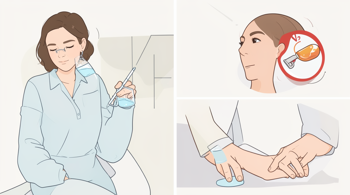
Numbness or tingling in the hands and feet can occur when high blood glucose has affected nerves over time. This symptom is more commonly associated with established or prolonged glucose elevation than with the earliest stages of diabetes, and it can also result from other medical conditions. Its presence does not confirm diabetes, but it is clinically relevant when accompanied by other symptoms or when it is persistent, progressive, or associated with reduced sensation. 710
Darkened, thicker-looking patches of skin, particularly around the neck or armpits, may be a sign of acanthosis nigricans, which is associated with insulin resistance. This visible change is not listed among the universal symptoms of diabetes and does not independently establish a diagnosis. It can, however, provide a reason to discuss metabolic risk with a health professional, especially when family history, overweight, obesity, polycystic ovary syndrome, or prior gestational diabetes is also present. 36
How symptoms differ by diabetes type
Type 1 diabetes symptoms commonly develop quickly, often over days or weeks, and may include thirst, frequent urination, increased eating with weight loss, and fatigue. Type 2 diabetes can develop gradually because insulin resistance may exist before obvious symptoms appear. Some people discover type 2 diabetes through routine testing rather than through a clear warning sign. Both forms can involve thirst, urination, hunger, blurred vision, fatigue, slow healing, and recurrent infections. 13
Gestational diabetes is another form that is evaluated during pregnancy, and it may not cause recognizable symptoms. Diabetes can affect people of any age, while family history and certain health factors increase the importance of screening. The American Diabetes Association recommendation reported in the supplied research is that every adult should be screened by age 35, with earlier and repeated testing considered for people with risk factors. 56
When testing and urgent care matter
Symptoms cannot diagnose diabetes. NIDDK states that clinicians use blood tests to diagnose diabetes, prediabetes, and gestational diabetes, and that over-the-counter glucose meters are not diagnostic instruments. Anyone with diabetes symptoms should be tested, while people without symptoms may also need screening when risk factors are present. Testing can identify the condition earlier and help determine which type of diabetes may be involved. 2
Severe symptoms require a higher level of concern than ordinary early warning signs. Vomiting, confusion, dehydration, trouble breathing, or fruity-smelling breath can indicate diabetic ketoacidosis, a serious complication associated with very high glucose and inadequate insulin. These signs require urgent medical assessment. A single symptom may have another explanation, but persistent symptoms or several occurring together should be evaluated through professional care and blood testing rather than self-diagnosis. 511
Sources
- NIDDK, Symptoms & Causes of Diabetes: https://www.niddk.nih.gov/health-information/diabetes/overview/symptoms-causes
- NIDDK, Diabetes Tests & Diagnosis: https://www.niddk.nih.gov/health-information/diabetes/overview/tests-diagnosis
- Merck Manual Consumer Version, Type 2 Diabetes Mellitus: https://www.merckmanuals.com/home/hormonal-and-metabolic-disorders/diabetes-mellitus-and-low-blood-sugar-hypoglycemia/type-2-diabetes-mellitus
- UT MD Anderson, Diabetes Symptoms: Early Warning Signs and What They Mean: https://www.mdanderson.org/cancerwise/diabetes-101--causes--symptoms-and-treatment.h00-159857712.html
- Acibadem Hospitals Group, Diabetes Symptoms: Common Causes, Related Conditions, and When to See a Doctor: https://acibademinternational.com/health-library/diabetes-symptoms-common-causes-related-conditions-and-when-to-see-a-doctor/
- MedicalXpress, Five Warning Signs of Diabetes: https://medicalxpress.com/news/2026-01-diabetes.html
- SwiftDoctor, How Do You Know If You Have Diabetes?: https://swift-doctor.com/blogs/news/how-do-you-know-if-you-have-diabetes-8-symptoms-to-look-out-for
- Cleveland Clinic, Diabetes Mellitus: https://my.clevelandclinic.org/health/diseases/7104-diabetes-mellitus
- American Diabetes Association, Diabetes Warning Signs: https://diabetes.org/diabetes/warning-signs
- CDC, Diabetes Symptoms: https://www.cdc.gov/diabetes/basics/symptoms.html
- Johns Hopkins Medicine, Diabetes Symptoms: https://www.hopkinsmedicine.org/health/conditions-and-diseases/diabetes/diabetes-symptoms
Authored by MyTrendSpot team