Common Symptoms of a Urinary Tract Infection: A Clinical Overview of Diagnostic Indicators
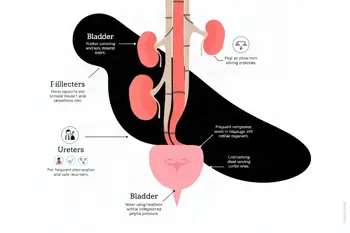
A urinary tract infection (UTI) represents an infection occurring in any component of the urinary system, which encompasses the kidneys, ureters, bladder, and urethra 1. Most instances of these infections are localized to the lower urinary tract, specifically affecting the bladder and urethra 1, 3. Given that these infections are highly prevalent, affecting millions of individuals annually 5, recognizing the specific signs is a fundamental aspect of maintaining urological health. While most cases are considered uncomplicated, the progression of bacteria into the upper urinary tract can lead to more severe health outcomes 3, 5.
Common Indicators of Lower Urinary Tract Infections
The most frequently reported symptoms of a bladder infection, or cystitis, relate to the irritation of the urinary tract lining. Patients often experience a distinct burning sensation during the act of urination 1, 2. This is frequently accompanied by a persistent and intense urge to urinate, even in scenarios where the individual is only able to pass a small volume of urine 1, 3. This pattern of urinary frequency and urgency is a hallmark of an active bacterial presence within the bladder 5.
Beyond changes in urination habits, individuals may observe physical shifts in the appearance of their urine. Common findings include urine that appears cloudy or exhibits a notably strong, unusual odor 2, 3. In some cases, the presence of blood-hematuria-may cause the urine to look red, bright pink, or dark like cola 1, 3. Discomfort is also a significant diagnostic marker, with many patients reporting localized pelvic pain or pressure, particularly in the lower abdomen or around the pubic bone area 1, 2.
Distinguishing Upper Urinary Tract Infection Symptoms
When an infection migrates from the bladder to the kidneys, the clinical profile changes significantly. A kidney infection, medically referred to as pyelonephritis, presents with more systemic and severe symptoms compared to a lower tract infection 1, 5. Primary indicators of kidney involvement include high fever, intense shaking, and chills 1, 2. These systemic symptoms indicate that the immune response has moved beyond the local urinary structures and requires urgent clinical evaluation 3.
Furthermore, patients with upper tract infections frequently report significant pain located in the back, side, or groin area 2, 5. This flank pain is often accompanied by nausea and vomiting, which can further complicate the patient's condition 1, 2. It is important to note that individuals with pyelonephritis may simultaneously exhibit the standard symptoms of cystitis, such as burning during urination or urinary frequency, alongside these more severe systemic markers 5.
Variations in Symptoms Across Different Demographics
The presentation of a UTI is not uniform across all patient populations. In older adults, classic indicators of an infection may be entirely absent or significantly masked by other conditions 1. Healthcare providers often look for non-specific, sudden changes in behavior or mental status in this demographic, including increased confusion, agitation, unexplained fatigue, or a decline in daily functional capabilities 3. Because these symptoms overlap with other age-related issues, a formal medical assessment is critical for accurate identification 3.
While women are statistically more susceptible to UTIs due to anatomical factors such as a shorter urethra and the proximity of the urethral opening to the anus 4, 7, men also contract these infections, albeit less frequently 8. In men, the incidence of infection can rise with age, often linked to structural changes such as benign prostatic hyperplasia which can impair the complete emptying of the bladder 8. Any patient experiencing symptoms suggestive of a UTI should seek a professional medical opinion rather than attempting self-diagnosis 2, 3.
Diagnostic Considerations and Medical Oversight
The diagnosis of a urinary tract infection relies heavily on clinical assessment supported by laboratory testing. Because the symptoms of a UTI can mimic other urologic or systemic conditions, healthcare professionals typically utilize urinalysis and urine culture findings to confirm the presence of pathogens 7, 8. A clean-catch urine specimen is the standard requirement for these tests, which help identify the specific bacteria responsible for the infection, such as Escherichia coli, which is implicated in the vast majority of cases 5, 7.
| Category | Common Symptoms |
|---|---|
| Lower Tract (Cystitis) | Burning urination, urgency, frequent urination, pelvic pain, cloudy/bloody urine |
| Upper Tract (Pyelonephritis) | Fever, chills, flank pain, nausea, vomiting, systemic malaise |
| Older Adults | Confusion, agitation, decline in function, lethargy |
It is important to understand that the presence of bacteria in the urine does not always require treatment if no symptoms are present, a condition known as asymptomatic bacteriuria 5. Conversely, if symptoms are persistent or worsening, failure to obtain timely medical care can lead to dangerous complications, including the potential for sepsis 3, 5. Clinical guidelines generally recommend prompt intervention with appropriate antibiotic therapy for symptomatic cases to alleviate discomfort and prevent the infection from spreading 1, 4.
Risk Factors and Preventive Context
Risk factors for developing a UTI are diverse and vary based on personal health and lifestyle. For women, sexual activity is a well-documented factor, as intercourse can facilitate the movement of bacteria toward the urethra 4, 7. The use of certain contraceptive methods, such as diaphragms and spermicides, has also been associated with an increased susceptibility to infection because these can alter the natural vaginal flora 4, 7. Understanding these risk factors can assist individuals in identifying why they may be experiencing recurring symptoms.
Other contributors to UTI risk include pregnancy, which can interfere with the mechanical emptying of the bladder, and postmenopausal changes that influence the local environment of the urinary tract 7, 8. Maintaining healthy bladder habits-such as ensuring the bladder is emptied regularly-serves as a primary defense mechanism against bacterial accumulation 2, 8. While these measures are helpful, they do not replace the need for professional diagnosis and prescribed treatment plans when an active infection is suspected 1.
When to Seek Immediate Medical Attention
Patients are advised to consult a healthcare professional if they recognize the common symptoms of a bladder infection, particularly if they persist for more than a few days 2, 3. Symptoms that have not resolved despite initial treatment or those that increase in intensity should trigger a follow-up visit. The primary objective of seeking care is to confirm the diagnosis, initiate appropriate therapy, and monitor for any signs of progression toward the upper urinary tract 3, 8.
Urgent medical intervention is mandated when the symptoms point toward pyelonephritis. Specifically, the onset of fever, chills, back or side pain, and vomiting warrants immediate clinical review 2, 3. These indicators suggest that the infection has moved beyond the bladder, representing a higher risk of systemic complications. By recognizing these warning signs early and engaging with appropriate medical channels, individuals can better navigate the risks associated with urinary tract infections 1, 5.
Sources
- https://www.mayoclinic.org/diseases-conditions/urinary-tract-infection/symptoms-causes/syc-20353447
- https://www.niddk.nih.gov/health-information/urologic-diseases/bladder-infection-uti-in-adults/symptoms-causes
- https://www.pennmedicine.org/conditions/urinary-tract-infection
- https://womenshealth.gov/a-z-topics/urinary-tract-infections
- https://www.cdc.gov/uti/hcp/clinical-overview/index.html
- https://www.urologyhealth.org/urology-a-z/u/urinary-tract-infections-in-adults
- https://www.merckmanuals.com/home/infections/urinary-tract-infections-utis/bladder-infection
- https://www.ncbi.nlm.nih.gov/books/NBK459322/
- https://www.merckmanuals.com/professional/infectious-diseases/urinary-tract-infections/bacterial-urinary-tract-infections
- https://www.mhsystem.org/health-library/con-20314573/
Authored by MyTrendSpot team