Warning signs of kidney stones: An analytical overview of clinical symptoms and diagnostic indicators
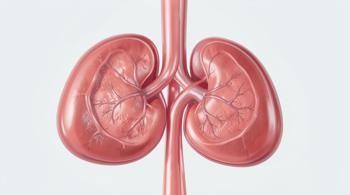
Kidney stones, medically termed nephrolithiasis or urolithiasis, represent solid masses formed from mineral and salt crystals within the kidneys 2. These formations, which can range in size from small grains of sand to significantly larger objects, often remain asymptomatic while residing within the kidney itself 3. Clinical symptoms typically emerge only when these stones migrate into the ureter, the narrow tube connecting the kidney to the bladder, where they may obstruct urine flow and initiate acute physical responses 2, 4.
Common Symptomatic Presentations
The hallmark symptom of a kidney stone is intense, sharp pain, frequently categorized as renal colic 6. This sensation typically originates in the back or side, specifically below the ribs, and may fluctuate in intensity, often arriving in waves rather than a constant, steady ache 4, 9. As the stone progresses through the urinary tract, this discomfort often radiates toward the lower abdomen and the groin area 1, 2. Many individuals report this experience as one of the most severe forms of physical pain, occasionally exceeding the intensity associated with other major medical events 4.
Beyond localized pain, urinary changes serve as significant clinical markers. Individuals may observe blood in their urine, a condition known as hematuria, which can alter the appearance of urine to shades of pink, red, or brown 1, 10. Furthermore, as a stone nears the bladder, a person might experience a persistent, urgent need to urinate, alongside pain or a burning sensation during the act of urination 1, 11. In some cases, the obstruction is so complete that it results in an inability to urinate or only allows for the passage of very small quantities of urine 1.
Physiological Impacts and Systemic Responses
The body often reacts to the extreme physical stress of a passing kidney stone with systemic symptoms. Nausea and vomiting are common manifestations, occurring as a direct result of the intense, wave-like pain cycles 1, 10. These reactions are not indicative of an illness in the traditional sense but rather reflect the acute autonomic response to severe obstruction and pain within the urinary system 6. Because these symptoms overlap with other acute gastrointestinal issues, professional diagnostic evaluation remains necessary to confirm the root cause 1.
Diagnostic indicators also include changes to the physical characteristics of urine beyond color. Urine that appears cloudy or exhibits a foul odor can indicate the presence of an underlying urinary tract infection, which frequently occurs alongside stone passage 1, 12. While small stones may pass through the urinary system with minimal or no discomfort, larger stones that trigger such secondary physiological changes often necessitate closer observation or active medical management to prevent long-term damage to the kidneys or ureters 2, 8.
Critical Red Flags and Emergency Indicators
Certain clinical signs are classified as red flags that demand immediate medical attention. Fever and chills are primary warning signs, as they may indicate that an obstruction has led to a serious infection within the urinary tract 1, 11. The presence of these symptoms, coupled with severe, unmanageable pain, suggests that the situation has transitioned into a potential emergency that requires urgent intervention to resolve the blockage and address potential sepsis risks 6, 12.
Patients who find themselves unable to identify a comfortable position, or those experiencing uncontrolled vomiting alongside severe pain, are generally advised by medical authorities to seek emergency department care 10. The acute passage of a stone is ranked as a leading cause of emergency room visits, underscoring the clinical importance of monitoring for these severe signs 6. Medical providers typically utilize a combination of clinical history, urine analysis, and imaging to confirm the diagnosis and assess the severity of the obstruction 13.
Epidemiology and Underlying Etiology
The prevalence of nephrolithiasis has shown a significant increase over the past few decades. Epidemiological data indicates that the lifetime prevalence of stone disease has more than doubled in the United States and several other developed nations, affecting approximately 11% of men and 7% of women 6. This condition can occur at any age, though the risk of developing stones is generally noted to increase as individuals age 5, 7. Understanding these trends helps in managing patient expectations regarding recurrence, which can be as high as 50% within ten years if the underlying cause is not addressed 6.
Stones are classified into four main chemical categories, including calcium oxalate, struvite, uric acid, and cystine stones 3. Calcium oxalate stones remain the most frequent type, influenced by factors such as low urinary volume and high concentrations of calcium or oxalate in the urine 3. A lack of adequate hydration is considered one of the primary risk factors, as individuals who produce less than one liter of urine per day are statistically more likely to form these mineral deposits 5.
Treatment Considerations and Prevention
Treatment approaches for kidney stones depend heavily on the size, location, and chemical composition of the stone 2. When a stone is small, medical management may simply involve pain medication and increased fluid intake to encourage natural passage 2. However, if a stone is sufficiently large to remain trapped or if it causes severe obstruction and infection, surgical intervention or other clinical procedures may be required to prevent permanent renal damage 2, 8.
Preventative strategies focus on mitigating the specific factors that contributed to the initial stone formation. For many, this includes dietary modifications, such as managing the intake of certain minerals and ensuring sufficient hydration to maintain higher urinary volumes 2. Because stone disease exhibits a heritability factor of approximately 45%, individuals with a family history of urolithiasis may require specialized metabolic evaluations to identify any genetic or environmental factors that influence their predisposition to forming stones 6.
Regulatory Oversight and Medical Guidance
Professional diagnosis is essential because symptoms of kidney stones often mimic other urologic or abdominal conditions. A urologist or healthcare professional can perform necessary imaging tests, such as computed tomography scans, to determine the exact dimensions and position of the stone 8, 13. Misdiagnosis or self-treatment in the presence of an infection can lead to complications, making regular contact with healthcare providers crucial for those with a history of stone formation 1.
Public health information confirms that while most small stones pass without complication, the potential for systemic obstruction remains a significant risk factor 8. Patients are encouraged to maintain records of their symptoms and share these details with their medical providers to facilitate more accurate diagnostic outcomes. Ongoing management and monitoring by a medical professional ensure that if recurring stones occur, they are addressed through targeted interventions rather than relying on emergency care alone 2.
Sources
- National Institute of Diabetes and Digestive and Kidney Diseases: Symptoms & Causes of Kidney Stones
- Mayo Clinic: Kidney Stones - Symptoms and Causes
- Harvard Health: Kidney Stones - A to Z
- Cedars-Sinai: Kidney Stones: What Are the Signs and When to Seek Treatment?
- Penn Medicine: Kidney Stones - Definition and Causes
- NCBI Bookshelf: Nephrolithiasis (Endotext)
- AARP: 8 Warning Signs of Kidney Stones
- American Kidney Fund: Kidney Stone Overview
- MedlinePlus: Kidney Stone Symptoms
- NHS: Kidney Stones Symptoms and Emergency Care
- Johns Hopkins Medicine: Kidney Stones and Urinary Urgency
- Healthline: Kidney Stone Infection Risks
- Acibadem Hospitals Group: Signs of Kidney Stones Explained
Authored by MyTrendSpot team