Early symptoms of asthma you should know: Clinical signs and warning patterns
How early asthma symptoms can appear
Asthma is a long-term lung condition in which inflammation, airway narrowing, muscle tightening, and increased mucus can make breathing more difficult. Symptoms may come and go rather than remain constant, and they can range from mild episodes to severe, potentially life-threatening flare-ups. Asthma can begin in childhood, often before age five, but symptoms can start at any age. 1
The main symptom pattern includes some combination of coughing, wheezing, shortness of breath, and chest tightness. Not every person experiences all four, and one symptom, particularly a recurring cough, may be the most noticeable feature. Symptoms may become more apparent at night, early in the morning, during exercise, or after exposure to a specific trigger. 4
Persistent or recurring cough
A cough that repeatedly returns can be an early sign of airway sensitivity, especially when it occurs at night, in the early morning, after exercise, or during a cold. MedlinePlus identifies daytime coughing and coughing that wakes a person from sleep among the symptoms that may indicate asthma. A chronic cough can also be the main symptom for some people, even when wheezing is absent. 2
Because coughing can resemble a lingering infection, seasonal allergies, throat irritation, or acid reflux, the pattern matters. A cough triggered by laughter, talking, cold air, or physical activity may suggest reactive airways, according to clinical reporting cited in the supplied research. In children, cough may worsen during viral infections, sleep, exercise, or exposure to cold air. 7
Wheezing and changes in breathing
Wheezing is a whistling sound produced as air moves through narrowed airways. It may be more noticeable during breathing out and can range from a low whistle to a higher-pitched sound. Recurrent wheezing is one of the most recognizable asthma symptoms, but its absence does not rule asthma out. Other breathing changes include shortness of breath, gasping, difficulty breathing out, or breathing faster than usual. 2
Breathlessness may occur after relatively mild physical activity or during exposure to an identified trigger. Merck Manual describes coughing, wheezing, and shortness of breath that occur in response to specific triggers as common asthma symptoms. A clinician generally confirms suspected asthma with breathing tests, including pulmonary function testing, rather than relying on symptoms alone. 3
Chest tightness and nighttime disruption
Chest tightness may feel like pressure, heaviness, congestion, or an inability to take a full breath. This sensation can make breathing uncomfortable and may occur with or without audible wheezing. The World Health Organization lists chest tightness alongside cough, wheeze, and shortness of breath as a result of inflammation and narrowing in the small airways. 4
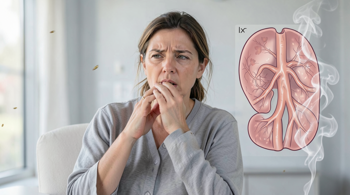
Asthma symptoms are often worse at night and early in the morning. Coughing, wheezing, or breathlessness can interrupt sleep, which may contribute to daytime tiredness, poor concentration, or reduced activity. In children, sleep problems and fatigue may be mistaken for ordinary tiredness, while difficulty keeping up with play or sports may be a more useful observable clue. 5
Triggers that reveal an early pattern
Symptoms that repeatedly follow the same exposure can provide useful context for medical assessment. Recognized triggers include pollen, mold, dust mites, cockroaches, animal dander, viral infections such as colds and influenza, exercise, cold dry air, cigarette smoke, wood smoke, paint fumes, chemicals, strong odors, and emotional stress. Some people with severe asthma do not have an identifiable trigger. 1
| Pattern | Possible observation |
|---|---|
| Exercise-related | Cough, wheeze, or breathlessness during or after activity |
| Infection-related | Symptoms that worsen with a cold or influenza |
| Night-related | Coughing or breathing difficulty that disrupts sleep |
| Environmental | Symptoms around pollen, smoke, cold air, odors, or animal exposure |
Early signs in children
Childhood asthma can interfere with play, sports, school attendance, and sleep. A child may have only one noticeable symptom, such as a lingering cough or chest congestion. Other reported patterns include bouts of coughing or wheezing that worsen with a cold, delayed recovery after a respiratory infection, trouble breathing during play, and fatigue associated with poor sleep. 6
Wheezing and asthma-like symptoms in children can also occur with infectious bronchitis or other respiratory problems, so symptoms alone cannot establish the diagnosis. A healthcare professional should assess a child when asthma is suspected. Early clinical management can help control symptoms and may reduce the risk of poorly controlled episodes affecting growing lungs. 6
When symptoms require urgent assessment
Severe breathing difficulty requires emergency evaluation. MedlinePlus identifies inability to walk or talk because of breathlessness, hunching over, blue or gray lips or fingernails, confusion, and reduced responsiveness as danger signs. NHS guidance also identifies difficulty speaking without pausing, gasping or choking, unusual drowsiness, and pale, blue, or gray skin as emergency warning signs. 2 5
Asthma symptoms can overlap with other lung, heart, and respiratory conditions, and not every episode of coughing or breathlessness is asthma. Persistent, recurring, worsening, or activity-limiting symptoms warrant medical assessment. Diagnosis commonly combines the symptom history with breathing tests such as spirometry, while treatment and trigger management are individualized by healthcare professionals. 3 9
Sources
- Harvard Health, Asthma, https://www.health.harvard.edu/respiratory-health/asthma-a-to-z
- MedlinePlus, Signs of an asthma attack, https://medlineplus.gov/ency/patientinstructions/000062.htm
- Merck Manual Consumer Version, Asthma, https://www.merckmanuals.com/home/lung-and-airway-disorders/asthma/asthma
- World Health Organization, Asthma, https://www.who.int/news-room/fact-sheets/detail/asthma
- NHS inform, Asthma, https://www.nhsinform.scot/illnesses-and-conditions/lungs-and-airways/asthma/
- Mayo Clinic, Childhood asthma: Symptoms and causes, https://www.mayoclinic.org/diseases-conditions/childhood-asthma/symptoms-causes/syc-20351507
- OnlyMyHealth, Early Asthma Symptoms That Are Often Mistaken for Other Health Problems, https://www.onlymyhealth.com/early-asthma-symptoms-people-mistake-for-other-health-problems-12977848690
- NDTV, Not Just Breathlessness: Recognising Early and Atypical Asthma Symptoms, https://www.ndtv.com/health/not-just-breathlessness-recognising-early-and-atypical-asthma-symptoms-11453120
- Acibadem Hospitals Group, Asthma Symptoms Explained: Common Triggers and Red Flags, https://acibademinternational.com/health-library/asthma-symptoms-explained-common-triggers-and-red-flags/
Authored by MyTrendSpot team