Natural Remedies for Bloating: An Analytical Overview of Evidence-Based Digestive Health Approaches
Bloating, characterized by a sensation of tightness, pressure, or fullness in the abdomen, is one of the most frequent digestive complaints affecting the global population 2, 9. While often temporary and linked to dietary habits, it can significantly impact quality of life 7. Understanding the underlying physiology-whether caused by swallowed air, bacterial fermentation of carbohydrates, or sluggish transit times-is essential for identifying effective, non-invasive management strategies 2, 8. This report reviews current research-backed methods for addressing abdominal discomfort and promoting digestive balance.
Understanding the Physiological Triggers of Abdominal Distension
Abdominal bloating frequently stems from the accumulation of gas within the gastrointestinal tract, often resulting from the fermentation of specific carbohydrates, known as FODMAPs, by gut bacteria 7, 8. When these substances pass undigested into the large intestine, they provide fuel for bacteria, leading to gas production and subsequent distension 7. Additionally, the act of eating too rapidly can result in the ingestion of excessive air, which collects in the stomach and causes immediate, though often transient, pressure 2, 7.
Beyond dietary intake, systemic factors such as stress and hormonal shifts play a critical role. Stress diverts blood flow away from the digestive organs, which may inhibit the production of necessary digestive enzymes and slow motility 10. Furthermore, conditions like lactose intolerance or non-coeliac gluten sensitivity can exacerbate symptoms by disrupting normal digestion 7. Recognizing these individual triggers is a necessary first step in moving toward long-term digestive comfort rather than relying on temporary, surface-level solutions 6.
Evidence-Based Herbal Interventions
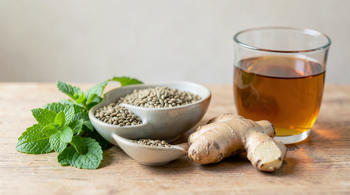
Among the most researched natural remedies, enteric-coated peppermint oil is highly regarded for its ability to relax the smooth muscles of the gastrointestinal tract 6, 11. By reducing these muscle contractions, it can alleviate the sharp pains often associated with trapped gas 8. Other carminative herbs, such as fennel and caraway seeds, have also been utilized traditionally to help expel gas from the digestive tract 9, 11. Research into artichoke extract and dandelion has further highlighted their potential roles in counteracting feelings of heaviness and supporting healthy bile flow 9.
| Remedy | Primary Mechanism |
|---|---|
| Peppermint Oil | Antispasmodic; relaxes GI smooth muscle |
| Fennel Seeds | Carminative; aids in gas expulsion |
| Ginger | Speeds gastric emptying via gingerols |
| Artichoke | Supports liver/gallbladder bile production |
The Role of Microbiome Balance and Probiotics
The gut microbiome serves as a foundational element of digestive efficiency, and imbalanced flora often contributes to excessive gas production 7, 10. Probiotic supplements, particularly those containing specific strains such as Bifidobacterium infantis, have been identified as beneficial for some individuals, including those with irritable bowel syndrome (IBS) 6, 11. Regular consumption of fermented foods like kefir and plain yogurt, which provide live cultures of Lactobacillus and Bifidobacterium, may improve digestive comfort over time by fostering a more stable microbial environment 5.
However, it is important to note that probiotics do not typically provide instant relief; rather, they function as a long-term strategy for managing gut health 5. For those experiencing symptoms related to enzyme deficiency, incorporating fruits like kiwi-which contains the natural enzyme actinidin-can support protein digestion and facilitate more regular bowel movements, thereby reducing the potential for constipation-induced bloating 5.
Lifestyle Adjustments for Digestive Efficiency
Simple lifestyle modifications remain the most effective, first-line approaches to managing gas and bloating. Engaging in gentle physical activity, such as a walk following a meal, can physically assist in the transit of gas through the intestines and reduce the sensation of fullness 3, 4. Additionally, mindful eating practices, including slow chewing and reducing fluid intake during meals, can significantly decrease the amount of air swallowed during the eating process 7, 10.
Hydration is equally essential, as adequate water intake is necessary to support bowel regularity and prevent the build-up of waste, which is a common contributor to chronic bloating 3, 11. Stress management techniques, often referred to as stress hygiene, are also vital; by calming the nervous system, individuals can help maintain optimal blood flow to the digestive tract, ensuring that the body remains in a state conducive to processing nutrients effectively 6, 10.
Clinical Limitations and When to Consult a Professional
While many cases of bloating respond well to home interventions, persistence is a key indicator that medical evaluation may be required. If bloating is accompanied by red-flag symptoms such as unexplained weight loss, blood in the stool, severe pain, or persistent changes in bowel habits, it is essential to consult a healthcare provider 2, 6. Furthermore, any bloating that persists for longer than three weeks despite lifestyle interventions warrants a clinical review to rule out underlying pathologies such as inflammatory bowel disease or other gastrointestinal disorders 2, 6.
Patients should approach the use of natural remedies with the understanding that not all substances marketed as health-promoting are supported by robust data. For instance, while some charcoal-based products are marketed for toxin removal, they lack the rigorous evidence base found in professional clinical guidelines 6. Consulting with a registered dietitian or a GP before starting a restrictive regimen, such as a low FODMAP diet, ensures that the approach is nutritionally balanced and correctly executed to avoid deficiencies 6.
Summary of Evidence-Based Approaches
- Prioritize fiber-rich foods that also aid digestion, such as kiwi, while maintaining adequate hydration.
- Consider evidence-supported supplements like enteric-coated peppermint oil for acute muscle-related discomfort.
- Implement mindful eating habits to reduce air ingestion and enzyme-depleting stress.
- Incorporate fermented foods containing documented probiotic strains to support long-term gut microbiome diversity.
- Maintain a consistent, low-impact exercise routine, such as walking, to support intestinal motility.
- Monitor symptoms closely and seek clinical advice for any persistent, unexplained, or severe gastrointestinal distress.
Sources
- Verywell Health, "What Relieves Bloating Fast? 17 Remedies to Try"
- Cleveland Clinic, "Bloated Stomach: What It Is, Causes, and When to Be Concerned"
- Holland & Barrett, "How to Reduce Bloating"
- PureWow, "Got Stomach Bloat? Here Are 5 Ways to Reset"
- Martha Stewart, "The Best Foods to Soothe Bloating"
- Walton Surgery, "Natural Remedies for Bloating and Gas UK"
- Medical Herbalist, "Bloating, Trapped Wind and Constipation: Causes and Relief"
- Hello Magazine, "8 Natural Remedies That Actually Work for Painful Bloating"
- Natural Life App, "Science-Backed Natural Remedies for Bloating and Digestion"
- Ask a Naturopath, "Natural Relief for Stomach Bloating and Gas"
- General Health Data Analysis, "Compiled Clinical Research on Peppermint Oil and Digestive Health"
Authored by MyTrendSpot team