Warning signs of eczema: Clinical indicators and professional observation guidelines
Understanding the warning signs of eczema is the initial step in effectively managing this common, chronic inflammatory skin condition. Eczema, most frequently associated with atopic dermatitis, typically manifests as patches of dry, itchy, and irritated skin that may undergo various transformations over time 2. While often associated with childhood, it remains a persistent concern for many adults, with prevalence rates estimated at 7.6 percent among adults in the United States as of 2024 9. Because this condition is characterized by a weakened skin barrier, recognizing its early symptoms allows for timely intervention, which is vital for preventing the progression of inflammation and potential complications 1.
Primary Symptoms and Physical Manifestations
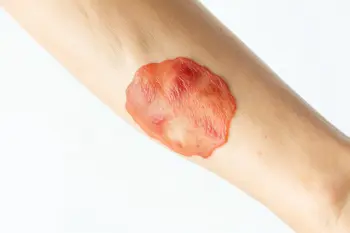
The hallmark symptom of eczema is persistent and intense itching, which often serves as the first indicator that the skin barrier has been compromised 5. Beyond the urge to scratch, individuals often observe dry, scaly patches that can appear anywhere on the body, though they are frequently found on the hands, neck, face, and in the creases of joints such as the inner elbows and behind the knees 1, 6. The appearance of these patches can be deceptive; while frequently described as red on lighter skin, they may manifest as gray, purple, or dark brown on deeper skin tones, often making them more difficult to identify in the early stages 2, 9.
As the condition progresses, the skin may undergo structural changes due to chronic inflammation and the mechanical damage caused by repeated scratching. Common physical observations include thickened or leathery skin textures, cracking, and in some cases, the skin may begin to ooze or crust 3. In infants, the presentation typically follows a distinct pattern, often appearing first on the scalp and face, while notably sparing the diaper area 8. Recognizing these variations is essential for distinguishing eczema from temporary dryness or other contact-based irritations 3.
Variations Across Different Skin Tones
A critical aspect of identifying eczema is understanding that it does not present uniformly across all populations. On darker skin tones, the characteristic redness associated with inflammation is frequently absent or masked by pigment, resulting in discoloration that appears ashen, purple, or brown 2, 9. Relying solely on the presence of bright red rashes can lead to delayed identification of the condition. Medical professionals emphasize the need for tactile assessment and historical symptom tracking, such as checking for patches that feel consistently rough, sensitive, or persistent despite routine skin care 2.
The misidentification of eczema on darker skin can lead to prolonged discomfort, as the inflammatory cycle continues unchecked. It is vital to note that skin thickening, or lichenification, often occurs when scratching is a response to chronic itching; this change in skin texture is a significant indicator regardless of skin tone 3. Because the condition is not caused by poor hygiene, individuals should focus on observing the recurring nature of these patches rather than focusing on external cleanliness, which does not address the underlying barrier dysfunction inherent in atopic dermatitis 8.
Distinguishing Between Dry Skin and Eczema
Differentiating between simple dry skin and true eczema is a common challenge for many individuals. Dry skin is often a temporary reaction to environmental factors, such as low humidity or cold weather, and usually responds positively to basic moisturizing routines 3. In contrast, eczema is a chronic inflammatory disorder involving a fundamental weakness in the skin barrier that makes it susceptible to both irritants and allergens 1, 3. When irritation persists, burns, or becomes intensely itchy despite regular hydration efforts, it is often a sign of an underlying clinical condition rather than basic xerosis 3.
| Feature | Typical Dry Skin | Eczema |
|---|---|---|
| Itch Intensity | Mild and temporary | Intense and persistent |
| Duration | Short-term, seasonal | Chronic, recurrent flares |
| Skin Barrier | Functioning | Impaired/Weakened |
| Response to Care | Improves with moisture | Often requires medical intervention |
Recognizing Indicators of Infection
One of the most significant risks associated with chronic eczema is the development of secondary infections, as the compromised skin barrier provides an entry point for bacteria and viruses 1. Warning signs that indicate an infection has taken hold include the presence of yellow crusts, weeping or oozing fluid, and the formation of pus within the affected patches 6, 10. Increased pain, swelling, or the appearance of a fever are also urgent indicators that professional medical attention is required to manage a bacterial complication 6, 10.
Furthermore, a serious viral complication known as eczema herpeticum can occur, characterized by the rapid appearance of painful, fluid-filled blisters or punched-out sores across areas of the body that are already affected by eczema 10. This condition is considered a medical emergency and requires immediate evaluation by a healthcare provider 10. Because infection can spread rapidly, identifying these specific visual cues-such as unexpected warmth or a sudden change in the nature of the rash-is paramount for preventing systemic issues 6.
When to Seek Professional Medical Evaluation
While many individuals manage mild cases through lifestyle modifications and careful skin care, there are specific thresholds where professional evaluation is recommended. If eczema symptoms begin to interfere with essential daily activities, such as disrupting sleep or causing persistent distraction at work, it is a clear indicator that the current management strategy is insufficient 6. Furthermore, if the rash covers a large surface area of the body or does not show improvement after a period of consistent, gentle treatment, a consultation with a dermatologist is the appropriate course of action 2, 7.
A professional diagnosis is necessary to accurately distinguish atopic dermatitis from other inflammatory conditions that may share similar appearances, such as contact dermatitis or psoriasis 5. Dermatologists can provide targeted treatment plans that may include prescription-strength topical therapies or other advanced interventions designed to restore the skin barrier and reduce the frequency of flares 7. Managing the emotional and physical burden of chronic itching is a legitimate clinical goal, and persistent symptoms should be viewed as a signal to seek expert guidance 6.
Managing the Impact of Chronic Flares
Eczema is characterized by a cycle of flares and remission, with some research indicating that individuals with moderate to severe atopic dermatitis experience an average of nine flares per year 6. Understanding individual triggers-such as soaps, detergents, specific allergens like dust or pollen, and even emotional stress-is crucial for minimizing the impact of these cycles 1, 8. The goal of clinical management is to lengthen the periods between flares while reducing the severity of symptoms when they do occur 7.
Because the condition is chronic, successful long-term management often involves a multifaceted approach, including the diligent use of emollients and the avoidance of known irritants to protect the skin barrier 7, 8. Proactive monitoring allows for the early detection of shifts in symptom patterns, which can prevent the skin from reaching a state of significant damage or infection 9. Maintaining clear communication with healthcare providers regarding the efficacy of current care routines is essential for achieving sustained skin health and comfort 9.
Sources
- British Skin Foundation - Eczema
- Acibadem Hospitals Group - What Does Eczema Look Like?
- Cleveland Clinic - Eczema vs. Dry Skin
- American Academy of Dermatology - Atopic Dermatitis Overview
- Liv Hospital - Signs and Symptoms of Eczema
- Cleveland Clinic - Managing Eczema Flare-Ups
- Acibadem Hospitals Group - Eczema Treatment and Care
- Acibadem Hospitals Group - Mild Eczema Explained
- Liv Hospital - How to Know If You Have Eczema
- Three Rivers Dermatology - When to See a Doctor for Eczema
Authored by MyTrendSpot team