Common Early Pelvic Health Indicators You Should Know: A Clinical Overview
Common early pelvic health indicators you should know include bladder leaks, urinary urgency, constipation, pelvic pain, pressure, and discomfort during sex. These symptoms may appear gradually and affect people of different ages and life stages, whether or not childbirth has occurred. Pelvic floor concerns are common, but they are not always something a person must simply tolerate. 1
What the pelvic floor does
The pelvic floor is a hammock-like group of muscles and connective tissues at the base of the pelvis. It supports the bladder, bowel, and reproductive organs, while also contributing to bladder control, bowel movements, sexual function, core stability, posture, breathing, and movement. Problems can arise when these muscles are weak, overly tight, strained, or poorly coordinated. 2
Pelvic floor dysfunction therefore does not always mean that the muscles need strengthening. Some people require improved strength, while others need to learn relaxation, coordination, or more effective breathing patterns. Symptoms may also be influenced by conditions such as inflammation, endometriosis, irritable bowel syndrome, urinary disorders, or pelvic organ prolapse, so a symptom alone cannot establish a diagnosis. 3
Bladder changes that may appear early
Urine leakage during coughing, sneezing, laughing, running, exercise, or other physical activity is a commonly reported early indicator. Even a small leak can suggest that pressure management and pelvic floor muscle support are not working efficiently. Sudden urgency, rushing to the bathroom, or not reaching it in time can reflect a different pattern involving bladder signals and muscle coordination. 4
Frequent urination during the day or night, difficulty fully emptying the bladder, a weak or interrupted stream, and UTI-like symptoms without a confirmed infection also merit attention when persistent. These signs can have causes unrelated to the pelvic floor, including urinary tract conditions, which is why clinical history and appropriate testing may be needed before treatment is selected. 5
Bowel symptoms and pelvic coordination
Constipation is not limited to infrequent bowel movements. Straining, prolonged toilet sitting, incomplete emptying, or difficulty relaxing during a bowel movement can indicate that the pelvic floor and abdominal muscles are not coordinating effectively. Bowel dysfunction was the most commonly reported pelvic floor-related problem in a 2022 study summarized by Good Housekeeping, which included more than 25,000 women and found that 32% had at least one pelvic floor disorder. 2
Fecal leakage, difficulty controlling gas, and repeated feelings of incomplete evacuation can also be relevant indicators. However, these symptoms may overlap with gastrointestinal disease, medication effects, dietary factors, or structural problems. A careful assessment is important because exercises that emphasize contraction may not be suitable when the central issue is excessive muscle tension or difficulty relaxing. 5
Pain, pressure, and bulging sensations
Pelvic pain may feel aching, sharp, burning, or heavy, and it can be constant or intermittent. Related discomfort may occur in the lower abdomen, perineum, groin, hips, tailbone, or lower back. Pelvic floor muscle guarding can develop alongside chronic inflammation or pain conditions, keeping muscles in a protective state and potentially increasing sensitivity. 8
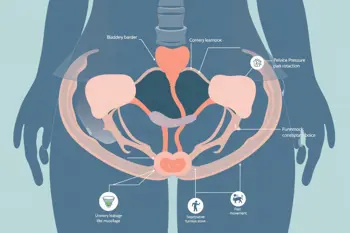
A feeling of pelvic pressure, fullness, heaviness, or a bulge in the vaginal area is another indicator that deserves medical attention. Such sensations can occur with pelvic organ prolapse, in which pelvic support structures shift and create pressure or bulging. These symptoms should not be self-diagnosed because several pelvic and gynecologic conditions can produce similar sensations. 3
Sexual discomfort and related warning signs
Pain during penetration, burning or sharp discomfort during intercourse, or pain that continues afterward is not considered a symptom that must be accepted as normal. Overactive or tight pelvic floor muscles can restrict movement, increase sensitivity, and contribute to painful intimacy. Pelvic pain conditions, tissue changes, inflammation, and other medical issues may also be involved, so evaluation should consider the broader clinical picture. 8
Some people notice discomfort during pelvic examinations, reduced confidence with intimacy, or avoidance of activities because they anticipate pain. These effects can influence relationships, sleep, exercise, and daily function. A pelvic health assessment may examine muscle tone, coordination, strength, breathing, and contributing conditions rather than assuming that weakness is the sole explanation. 6
Back, hip, and movement-related indicators
Pelvic floor symptoms can appear outside the pelvis because these muscles work with the abdomen, diaphragm, hips, and low back to support stability and movement. Persistent low back, hip, tailbone, or groin discomfort may therefore occur alongside urinary, bowel, or sexual symptoms. The connection is not proof of pelvic floor dysfunction, but it can be useful context during a health evaluation. 7
Early indicators are more significant when they interfere with exercise, work, sleep, travel, intimacy, or ordinary routines, or when they continue despite lifestyle changes. Pelvic floor physical therapy may involve strengthening, relaxation, manual techniques, breathing instruction, biofeedback, or coordination training, depending on the underlying pattern. Treatment should be individualized rather than based on a generic Kegel routine. 1
When assessment becomes important
A medical or pelvic health assessment is appropriate when leakage, urgency, constipation, pain, pressure, sexual discomfort, or incomplete emptying persists, worsens, or affects daily life. Early evaluation can help distinguish pelvic floor dysfunction from urinary infection, prolapse, endometriosis, irritable bowel syndrome, or other conditions with overlapping symptoms. A clinician may use medical history, physical examination, and selected tests when indicated. 3
These indicators are not a diagnosis and do not identify one universal treatment. Pelvic floor muscles may be weak, tight, or poorly coordinated, and the correct approach depends on the symptom pattern and underlying cause. Reporting timing, triggers, frequency, bowel habits, pain location, and effects on daily activities can help clinicians develop a more accurate assessment and avoid inappropriate self-treatment. 5
Sources
- Hinge Health: When to See a Pelvic Floor Therapist
- Good Housekeeping: Sneaky Signs You Need Pelvic Floor Therapy
- Acıbadem International: Pelvic Floor, Symptoms, Causes, and Treatment
- The Jackson Clinics: Signs You Need Pelvic Floor Physical Therapy
- Ubie Doctor's Note: Pelvic Floor Dysfunction
- ATI Physical Therapy: Pelvic Health for Women
- Rebalance Physical Therapy and Wellness: Warning Signs of Pelvic Floor Dysfunction
- Pelvic Rehabilitation Medicine: Signs Your Pelvic Floor May Need Attention
Authored by MyTrendSpot team