How to clear sinus congestion safely: Evidence-based guidance and warning signs
How to clear sinus congestion safely depends on why the nose and sinuses are blocked. Congestion commonly results from swelling caused by a cold, flu, allergies, sinus infection, pregnancy, nasal polyps, or structural problems, rather than mucus alone. The following guidance focuses on practical symptom relief, medication precautions, and warning signs that indicate a need for professional care.
Understand what causes the blockage
The sinuses are air-filled cavities around the forehead, cheeks, and nose. A thin lining produces mucus that normally drains through small openings into the nasal cavity, but inflammation can swell the nasal tissues and obstruct that drainage. Viral infections and allergies are common triggers, while bacterial or fungal infections, nasal polyps, and a deviated septum can also contribute to recurring or persistent symptoms. 11
- A cold often causes congestion, fatigue, nasal discharge, sore throat, and sometimes cough or low-grade fever. 13
- Allergic rhinitis can cause swelling, sneezing, itching, and watery discharge after exposure to pollen, pet dander, or other allergens. 7
- Symptoms lasting 12 weeks or longer are generally considered chronic sinusitis and may require evaluation rather than repeated self-treatment. 11
Start with saline and moisture
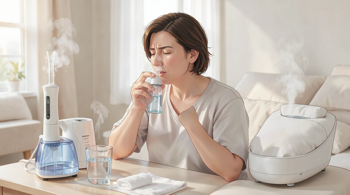
Saline spray or irrigation can loosen mucus, wash away allergens and irritants, and reduce dryness or crusting. A saline rinse is supportive care, not a detoxification treatment or a cure for an infection. Nasal-rinse devices must use distilled, sterile, or previously boiled and cooled water. Tap water, including treated tap water, may contain organisms that are unsafe when introduced into the nasal passages. 1
- Follow the device instructions and use a correctly prepared saline solution, often made with a measured packet.
- Clean and dry the device as directed to reduce contamination.
- Use gentle pressure. Too-frequent or forceful rinsing can irritate nasal tissues. 14
- People with frequent nosebleeds, complete blockage, recent nasal surgery, or questions about suitability should ask a healthcare professional before irrigation. 14
Use supportive home measures
Drinking adequate fluids can help keep mucus thinner and easier to drain. A warm, moist washcloth over the face, humidified air, rest, and remaining upright or elevating the head during sleep may reduce pressure and improve comfort. These measures address symptoms while the underlying cold, allergy, or inflammation resolves. They do not replace assessment when pain, fever, or congestion becomes severe or persists beyond the expected course. 3
- A humidifier should be maintained according to its instructions so it does not become a source of irritants.
- Warm moisture should be comfortable rather than hot enough to burn the skin or airways.
- Reducing exposure to smoke, strong fragrances, pollen, and known allergens may limit additional nasal irritation. 7
Choose medicines with specific precautions
Topical nasal decongestant sprays can shrink swollen blood vessels and provide short-term relief, but prolonged use can cause rebound congestion. These sprays should not be used beyond the period stated on the label, commonly about three days. Oral decongestants such as pseudoephedrine may raise blood pressure and heart rate and can be unsuitable for people with hypertension, heart disease, glaucoma, prostate problems, or certain medication interactions. 4
- Ask a pharmacist or clinician before using an oral decongestant when medical conditions or prescription medicines are present. 6
- Intranasal corticosteroid sprays may help allergy-related or inflammatory congestion, but regular use and correct technique are more important than occasional use. 5
- Antihistamines are mainly relevant when allergies are contributing to symptoms, not as a universal treatment for every blocked nose. 7
- Check combination cold medicines carefully to avoid duplicating active ingredients.
Know when antibiotics are unlikely to help
Most uncomplicated sinus infections are viral and improve without antibiotics. Antibiotics do not treat viruses and can cause adverse effects when used unnecessarily. Clinicians distinguish likely viral illness from possible bacterial sinusitis by considering symptom severity, duration without improvement, and whether symptoms improve and then worsen again. Severe symptoms, persistent symptoms, or a clear pattern of worsening may justify medical assessment and, when appropriate, prescription treatment. 2
- Do not use leftover antibiotics or share a prescription.
- Colored or thick mucus alone does not establish that antibiotics are needed; evaluation considers the full symptom pattern. 8
- Facial pain, purulent discharge, fever, and symptom duration or worsening may influence clinical evaluation. 9
Identify warning signs and recurring problems
Medical care is appropriate when congestion lasts longer than about 10 days without improvement, worsens after initial improvement, or is accompanied by fever, foul-smelling mucus, severe throat symptoms, or substantial facial pain. Urgent evaluation is needed for swelling around the eyes, vision changes, confusion, stiff neck, breathing difficulty, or a severe headache. One-sided blockage, repeated episodes, or symptoms lasting for months may indicate allergies, polyps, structural narrowing, medication effects, or chronic inflammation. 12
- Seek urgent care for eye swelling, vision changes, confusion, stiff neck, breathing difficulty, or severe facial swelling. 9
- Contact a clinician for high or persistent fever, severe headache, or worsening facial pain.
- Recurring congestion may require assessment for allergic rhinitis, nasal polyps, a deviated septum, or chronic sinusitis. 10
- Children, pregnant people, older adults, and people with significant medical conditions should obtain individualized medication advice.
Sources
- U.S. Food and Drug Administration
- Centers for Disease Control and Prevention
- MedlinePlus
- NHS
- Mayo Clinic
- Cleveland Clinic
- American Academy of Allergy, Asthma & Immunology
- American Family Physician
- Merck Manual
- Johns Hopkins Medicine
- Harvard Health
- University of Rochester Medicine
- NewYork-Presbyterian Health Matters
- Cleveland Clinic, Neti Pot Guidance
Authored by MyTrendSpot team