Common causes of morning stiffness: A clinical analysis of joint and muscle symptoms
Waking up with restricted movement or a sense of tightness in the joints is a frequent health complaint that ranges from minor, temporary discomfort to indicators of systemic disease 1. During the hours of sleep, the body remains in a prolonged state of relative stillness, which allows blood circulation to slow slightly and synovial fluid-the natural lubricant within joints-to settle 2. This physiological state often results in a transitional phase upon waking where the body requires time to move from inactivity to full function 2.
Mechanical and Routine Causes of Stiffness
For many individuals, morning stiffness is classified as mechanical in nature, meaning it relates to normal wear and tear on joints, tendons, or muscles rather than systemic inflammation 1. This is particularly common in individuals with known osteoarthritis, where the cartilage cushioning the joints has thinned, leading to brief periods of rigidity 1. Mechanical stiffness typically dissipates within 15 to 30 minutes once the individual begins moving, stretching, or warming up 2, 9. Lifestyle factors such as strenuous physical activity the previous day, sleeping in an awkward position, or general physical inactivity contribute to this type of sensation 1, 6.
Inflammatory and Autoimmune Indicators
Unlike mechanical causes, stiffness that persists for longer than an hour is often considered a hallmark sign of underlying inflammatory or autoimmune joint disease 3. In these conditions, the immune system may mistakenly target the lining of the joints, resulting in persistent inflammation that is not immediately relieved by simple movement 2, 3. This prolonged duration is a clinical marker that differentiates chronic inflammatory processes from the temporary stiffness associated with age or overuse 3. Prompt medical evaluation is generally recommended when stiffness remains a daily, long-lasting obstacle 2.
Polymyalgia Rheumatica and Specific Arthropathies
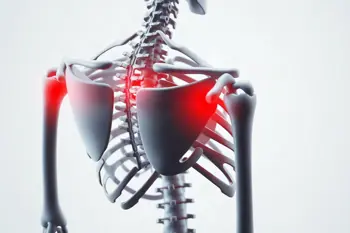
Polymyalgia rheumatica (PMR) is a distinct inflammatory condition that predominantly affects adults over the age of 50, with an average onset at age 70 5, 8. PMR is characterized by significant pain and stiffness in the shoulders, hips, neck, and upper arms, often appearing suddenly 5. Because this condition involves inflammation of the bursae and surrounding tissues rather than the joints themselves, it represents a unique diagnostic category 8. Approximately 15% of individuals with PMR may also develop giant cell arteritis, a serious condition involving blood vessel inflammation that requires urgent clinical intervention to prevent vision loss 9, 10.
Environmental and Sleep-Related Factors
Beyond specific medical conditions, sleep quality and environmental factors play a significant role in how the body feels in the morning 6. Restless nights or inadequate sleep cycles can lead to increased muscle tension and heightened sensitivity to aches upon waking 4, 14. Maintaining a stable sleep schedule, optimizing the bedroom environment, and managing caffeine intake are standard non-clinical recommendations often explored to improve morning function 4. Furthermore, hydration status is a factor, as cartilage and joint tissues require adequate hydration to maintain their shock-absorbing capabilities throughout the day 15.
Diagnostic Considerations and Risk Management
Clinical assessment of morning stiffness involves reviewing the duration, location, and nature of the symptoms 3. Doctors often distinguish between conditions using metrics like the presence of systemic symptoms-such as fatigue, unexplained weight loss, or low-grade fever-which are frequently associated with autoimmune disorders rather than osteoarthritis 3, 5. Table 1 provides a summary of characteristic differences between common origins of stiffness.
| Condition Type | Primary Characteristics | Typical Duration |
|---|---|---|
| Mechanical/OA | Tightness, wear-related | Less than 30 minutes |
| Inflammatory/RA | Pain, active inflammation | Longer than 1 hour |
| PMR | Muscle/bursae focus | Variable/Often severe |
Early diagnosis is critical for managing chronic inflammatory conditions to prevent irreversible joint damage and maintain long-term mobility 3. Waiting to seek medical advice for symptoms that worsen over time can lead to challenges in symptom management and disease progression 2, 3.
Professional Support and Maintenance Realities
The management of morning stiffness is highly personalized, depending on whether the cause is degenerative or inflammatory 7. For mechanical issues, physical therapy, gentle movement, and strengthening exercises are commonly employed to support the affected joints 1. For autoimmune conditions, treatment often involves systemic management to control the underlying inflammation 3. Individuals are encouraged to monitor their symptoms, keeping a record of when stiffness occurs and how long it lasts, to assist healthcare providers in establishing a clear clinical picture 4.
Sources
- The Educated Patient - Morning Stiffness: When It's Normal and When to Get It Checked
- Nivaan Care - Morning Stiffness: Causes, Prevention & When to Seek Treatment
- Ubie Health - Morning Stiffness That Lasts More Than an Hour
- Arthritis UK - Managing stiffness
- Arthritis Foundation - Polymyalgia Rheumatica
- Hinge Health - Why Am I Sore When I Wake Up? 9 Common Causes
- Proback - What Is the Main Cause of Joint Stiffness?
- Arthritis Ireland - Polymyalgia rheumatica (PMR)
- MSD Manuals - Osteoarthritis (OA)
- Arthritis Society Canada - Polymyalgia Rheumatica with Giant Cell Arteritis
- Mayo Clinic - Rheumatoid Arthritis Symptoms and Causes
- Johns Hopkins Medicine - Ankylosing Spondylitis
- Healthline - Causes of Morning Stiffness
- Sleep Foundation - Back Pain and Sleep
- Verywell Health - Why Do My Joints Stiffen in the Morning?
Authored by MyTrendSpot team