Techniques to reduce stress at home: Analytical insights for nervous system regulation
Modern living environments frequently contribute to elevated stress markers, as the demands of professional and personal life often follow individuals across the threshold of their homes 1. When the body perceives chronic pressure, the hypothalamic-pituitary-adrenal (HPA) axis activates, releasing cortisol and adrenaline to facilitate a fight-or-flight response 2. While these hormones are evolutionary adaptations for physical threats, prolonged activation in domestic settings can lead to sleep disruption, cognitive fatigue, and persistent muscle tension 3. This report analyzes actionable, non-clinical techniques that leverage physiological regulation to mitigate these internal stressors.
Physiological Regulation Through Controlled Breathing
Controlled breathing serves as an immediate, equipment-free intervention to stimulate the vagus nerve and shift the autonomic nervous system from sympathetic dominance to parasympathetic rest-and-digest states 4. Diaphragmatic breathing, where the abdomen rises rather than the chest, is the preferred method for calming the heart rate and reducing cortisol levels 5. One recognized protocol is the 4-7-8 method, involving a four-second inhale, seven-second hold, and eight-second exhale, which practitioners use to stabilize respiratory rhythm and induce physical relaxation 6. Consistent practice over weeks can improve heart rate variability (HRV) and increase resilience to daily stressors 7.
Structuring the Home Environment for Cognitive Relief
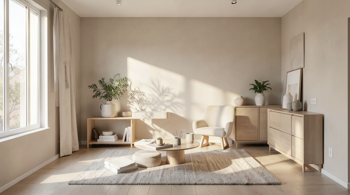
Physical surroundings exert a measurable impact on cognitive load and mental recovery. Research indicates that visual clutter directly competes for attentional resources, contributing to increased fatigue and decreased focus 8. Implementing micro-routines, such as a two-minute daily decluttering ritual or maintaining clear surfaces on kitchen counters and nightstands, can reduce the accumulation of environmental stressors 9. Furthermore, lighting design plays a critical role in circadian rhythm regulation; shifting from harsh, cool-toned overhead lighting to warmer, softer light sources in the evening mimics natural cycles, signaling the body to prepare for restorative sleep 10.
Movement-Based Strategies for Tension Release
Physical activity acts as a primary tool for metabolizing the hormones associated with the stress response. Engaging in light, consistent movement-such as walking or gentle stretching-can release stored muscle tension and improve overall mood 11. Short, structured breaks every 60 to 90 minutes throughout the day, which combine brief movement with conscious breathing, can prevent stress from compounding 12. Unlike intensive workouts that might further tax a stressed system, these restorative intervals aim to decrease autonomic arousal and support cognitive performance without adding undue physical strain 13.
Mindfulness and Mental Boundary Setting
Mindfulness meditation offers a method for observing current experiences without judgment, which can reduce the frequency of ruminative thought patterns often associated with home-based anxiety 14. Beyond formal meditation, establishing strict technology boundaries is an essential component of protecting personal space. Creating designated device-free zones or implementing a 60-minute pre-sleep, low-stimulus wind-down routine helps lower cognitive load before entering a sleep state 15. These boundaries ensure that digital notifications and external pressures do not continuously interrupt the body’s recovery processes while at home 16.
Optimizing Nutritional and Sleep Hygiene
The biochemical foundations of stress management rely heavily on consistent nutrition and sleep architecture. Reducing the intake of stimulants such as caffeine, alongside limiting processed sugars and alcohol, can stabilize energy levels and reduce physiological irritability 17. Sleep is widely recognized as the fundamental period for emotional regulation; maintaining a fixed sleep schedule supports the body's ability to process daily stressors effectively 18. When these foundational elements are neglected, the efficacy of breathing or movement techniques is significantly diminished, making consistency in diet and rest essential pillars of long-term stress resilience 19.
Integrating Professional Oversight When Needed
While self-guided techniques are effective for managing daily stressors, it is necessary to recognize when symptoms surpass the capacity of natural interventions. Chronic, unmanaged stress that results in persistent physical manifestations, such as severe muscle aches, disrupted digestion, or prolonged mood instability, may indicate an underlying condition requiring professional consultation 20. Engaging with healthcare providers or mental health professionals ensures that an individual's stress management plan is comprehensive, safe, and appropriate for their specific clinical profile, rather than relying solely on home-based lifestyle adjustments 21.
Sources
- Verdant Wellness: Stress Relief Ideas At Home
- Certified Pakistan: How to Reduce Stress Naturally at Home
- American Psychological Association: Stress and the Body
- Berkbox: Proven Techniques for Mind and Body
- COTA Insurance: Stress Reduction Techniques
- Johns Hopkins Medicine: 4-7-8 Breathing
- Harvard Health Publishing: Relaxation Techniques
- Clinical Consultant Services: Creating a Peaceful Home
- Nature’s Soul: Two Minute Stress Management
- EcoLights: How to Build a Home Routine
- Centers for Disease Control and Prevention: Coping with Stress
- National Center for Complementary and Integrative Health: Mindfulness Meditation
- Mayo Clinic: Progressive Muscle Relaxation
- American Heart Association: Stress Management
- Sleep Foundation: Stress and Sleep
- Substance Abuse and Mental Health Services Administration: Coping Strategies
- Cleveland Clinic: How to Relieve Stress
- HealthBel: 12 Simple Ways to Reduce Stress
- RelaxCafeHub: Somatic Breathing Techniques
- Greygum Psychology: Effective Techniques for Managing Anxiety
- Clinical Consultant Services: When to Seek Professional Help
Authored by MyTrendSpot team