When numbness or tingling should be checked: A comprehensive clinical overview of sensory monitoring
Numbness and tingling, medically referred to as paresthesia, are common sensory experiences often resulting from temporary nerve compression, such as when a limb 'falls asleep' after prolonged pressure 4, 7. While many instances are transient and resolve once the physical pressure is relieved, persistent or sudden changes in sensation can signify underlying neurological or systemic health concerns 2, 8. Understanding the clinical context of these symptoms is essential for determining when professional consultation is required versus when emergency intervention is necessary 1, 6.
Emergency Warning Signs Requiring Immediate Medical Intervention
Certain patterns of numbness indicate potential life-threatening events, such as a stroke or transient ischemic attack (TIA), and necessitate immediate medical evaluation in an emergency setting 1. Clinical protocols dictate that individuals should seek emergency help if numbness begins suddenly, especially when it involves an entire limb or one specific side of the body 1, 11. This is particularly critical if the sensory loss is accompanied by sudden weakness, paralysis, confusion, difficulty speaking, or a severe, acute headache 1, 18.
Furthermore, numbness following a recent head, neck, or back injury warrants immediate attention to rule out spinal cord trauma or intracranial damage 1, 12. Another severe indicator is the sudden onset of numbness occurring alongside a loss of bladder or bowel control, which may suggest significant spinal cord compression, such as cauda equina syndrome 13. In these emergency scenarios, medical professionals often utilize diagnostic imaging, such as CT scans or MRIs, to quickly assess potential brain or spinal injury 1.
Recognizing Persistent Symptoms and Progressive Neuropathy
When numbness or tingling does not resolve quickly after a change in position, it may indicate a chronic condition requiring a scheduled medical visit 2, 8. Physicians look for patterns such as symptoms that worsen gradually over time, numbness that affects both sides of the body, or sensory deficits that manifest in a 'stocking-glove' distribution, which is often associated with peripheral neuropathy 10, 15. Frequent or recurrent tingling that disrupts daily activities or sleep is another common trigger for diagnostic evaluation 4, 5.
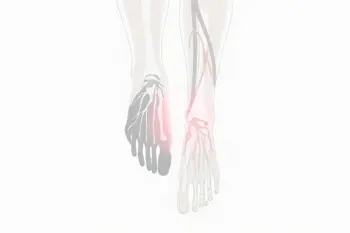
Chronic sensory changes are frequently linked to systemic health issues, including diabetes, vitamin deficiencies (such as B1, B6, B12, or folic acid), kidney disease, and underactive thyroid function 3, 7. In patients with known diabetes, the development of new or worsening numbness in the feet is a specific clinical red flag that requires prompt assessment to mitigate the risk of long-term diabetic neuropathy complications 14. Early identification of these underlying contributors is crucial for preventing permanent nerve damage 5, 6.
Diagnostic Considerations for Focal Nerve Compression
Not all numbness is systemic; localized or focal compression often results in distinct clinical patterns. For example, carpal tunnel syndrome, involving the median nerve at the wrist, typically causes numbness in the thumb, index finger, middle finger, and half of the ring finger 5. Conversely, cubital tunnel syndrome involves the ulnar nerve at the elbow and usually affects the little finger and the other half of the ring finger 5. These conditions are distinct and require targeted diagnoses to avoid inappropriate or delayed treatment 5.
| Condition | Primary Nerve Affected | Typical Sensory Areas |
|---|---|---|
| Carpal Tunnel | Median Nerve | Thumb, Index, Middle, Half of Ring |
| Cubital Tunnel | Ulnar Nerve | Little Finger, Half of Ring |
| Cervical Radiculopathy | Cervical Nerve Roots | Arm and Hand (Triggered by neck movement) |
Clinical evaluation of focal numbness often involves assessing specific motor functions, such as grip strength or the ability to perform fine motor tasks like buttoning shirts 4, 5. If a patient experiences recurring weakness, dropping objects, or difficulty using their hands for routine tasks, these are recognized indicators that the nerve compression may be advanced, potentially leading to muscle wasting or permanent function loss if left unaddressed 4, 5.
Environmental and Medication-Induced Sensory Changes
Sensory disturbances can also be attributed to external factors, including exposure to environmental toxins, heavy metals, or as a side effect of therapeutic treatments 3, 17. Chemotherapy medications are well-documented contributors to peripheral neuropathy, manifesting as burning or tingling in the extremities 3, 9. Furthermore, excessive alcohol use and exposure to certain industrial chemicals can damage peripheral nerves over time, leading to lasting sensory dysfunction 7, 10.
Healthcare providers often perform a thorough medication and lifestyle review when assessing these cases 10. This process includes questioning the patient about toxin exposure, alcohol consumption, and any prescription drugs known to carry a risk of neurotoxicity 10. Because such exposures can lead to systemic damage, any persistent numbness occurring after the initiation of a new drug regimen or an environmental change should be reviewed by a clinician 3, 17.
Clinical Assessment and Baseline Investigation Procedures
When an individual presents with persistent or concerning numbness, a healthcare professional typically initiates a formal diagnostic workup 9, 10. This begins with a detailed clinical history to identify the duration, progression, and nature of the sensory symptoms, including associated pain or motor deficits 10. Physical examination techniques focus on assessing gait, balance, deep tendon reflexes, vibration sense, and proprioception to map the extent of potential nerve involvement 4, 10.
Baseline laboratory investigations are commonly employed to rule out systemic causes. These tests often include:
- HbA1c or fasting glucose to evaluate for diabetes 10.
- Vitamin B12 level testing to identify nutritional deficiencies 10.
- Thyroid function studies 10.
- Renal function panels 10.
- Serum protein electrophoresis to investigate potential paraproteinemia 10.
Risks of Ignoring Sensory Symptoms
Failure to seek medical attention for persistent numbness can lead to significant secondary health risks 5, 20. For instance, if a patient cannot feel their feet properly due to neuropathy, they may experience frequent tripping or remain unaware of foot ulcers or minor injuries, leading to infections or more severe complications 10, 20. Similarly, loss of sensation in the hands can increase the risk of accidental burns or undetected trauma 20.
Beyond physical injury, delaying care for progressive neurological conditions may limit the effectiveness of future interventions 5. Conditions like multiple sclerosis or advanced peripheral nerve damage often benefit from early management plans designed to maintain quality of life, prevent further progression, and preserve physical function 4, 9. Routine monitoring and timely communication with healthcare teams remain the primary defenses against the long-term impact of chronic sensory loss 8, 10.
Sources
- Mayo Clinic: Numbness When to see a doctor
- Mayo Clinic News Network: When to worry about numbness and tingling
- UF Health: Numbness and Tingling
- South Miami Neurology: When to See a Neurologist about Numbness and Tingling
- University of Rochester Medicine: Why Is My Hand Numb? The Right Diagnosis Matters
- Lone Star Neurology: Numbness And Tingling: When To Worry
- Fresno Bee: Mayo Clinic Q&A: When to worry about numbness and tingling
- PennLive: Ask Mayo Clinic: If numbness, tingling don’t go away, time to talk to a healthcare provider
- Penn Medicine: Peripheral Neuropathy – Symptoms and Causes
- Iatrox/NICE: Peripheral neuropathy: stocking-glove - NICE NG127 (2026)
- Mayo Clinic: Numbness and Tingling - When to See a Doctor
- Cleveland Clinic: Numbness and Tingling
- WebMD: Tingling in Hands and Feet
- American Diabetes Association: Neuropathy
- Healthline: Paresthesia
- Johns Hopkins Medicine: Peripheral Neuropathy
- National Institutes of Health: Peripheral Neuropathy
- American Heart Association: Heart and Stroke Association Statistics
- MedlinePlus: Cervical Radiculopathy
- Mount Sinai Health System: Numbness and Tingling
Authored by MyTrendSpot team