Natural methods for supporting healthy energy levels: An evidence-informed guide
Natural energy boosters without caffeine commonly include drinking water, taking a walk, eating a balanced snack, improving sleep habits, and reducing stress. These approaches may support alertness and stamina, but persistent or unexplained tiredness should not be treated only with lifestyle changes or supplements.
Sleep and circadian timing
Sleep is a central contributor to daytime energy. The Centers for Disease Control and Prevention states that adults generally need at least seven hours of sleep per night, while consistent sleep and wake times can support alertness. Sleep deficiency can impair daytime functioning, and the National Heart, Lung, and Blood Institute recommends healthy sleep habits as part of improving sleep quality. 8
Practical measures described in the research include ending electronics use at least 30 minutes before bed, lowering screen brightness, and keeping the bedroom cool, dark, and quiet. Morning exposure to natural light, particularly when combined with a short outdoor walk, may help align the internal body clock, while bright artificial light late in the evening can interfere with the transition toward sleep. 47
Movement and physical activity
Walking and other forms of regular activity can support energy through several pathways. Walking increases blood flow and oxygen levels and may stimulate mood-related neurotransmitters, including serotonin and dopamine. Verywell Health reports that even short periods of activity may improve alertness, while walking at least 150 minutes per week may support stamina and mental and physical well-being. 3
Exercise may also support energy at the cellular level by improving mitochondrial function and adenosine triphosphate production. Aerobic activities such as walking, cycling, and swimming, along with resistance exercises using weights or body weight, have been associated with reduced fatigue and improved vitality. The World Health Organization identifies regular physical activity as beneficial for physical health, mental health, sleep, and overall well-being. 79
Food choices for steadier energy
A varied eating pattern supplies nutrients needed for normal energy metabolism. USDA MyPlate organizes balanced meals around fruits, vegetables, grains, protein foods, and dairy or fortified soy alternatives. Research supplied for this topic also emphasizes whole grains, legumes, lean proteins, vegetables, nuts, seeds, and healthy fats as components of meals that may help reduce pronounced energy fluctuations. 106
Blood sugar responses can influence whether a person feels energetic or tired after eating, although individual responses vary. Regular meals that combine complex carbohydrates, protein, and healthy fats may provide a steadier pattern than large sugary snacks, which can be followed by an energy crash. Evidence on personalized nutrition remains developing, and products claiming to boost energy often lack strong evidence or FDA oversight. 5
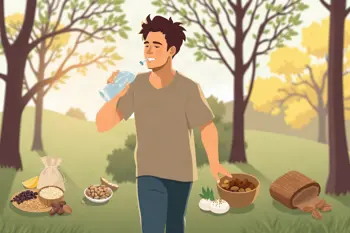
Hydration and nutrient deficiencies
Mild dehydration can contribute to tiredness, headache, reduced attention, and lower physical performance. Water is considered the primary beverage for hydration, but fluid needs vary with activity level, climate, age, health status, and the water content of foods. The National Academies describes adequate water intake as important for normal physiological function rather than as a fixed identical target for every person. 315
Iron status is another relevant consideration when fatigue is persistent. Iron is required to produce hemoglobin, and iron deficiency can cause weakness, tiredness, and difficulty concentrating. Because unnecessary iron supplementation can be inappropriate, suspected deficiency is better evaluated with a healthcare professional than assumed from symptoms alone. Dietary patterns should include iron-containing foods while also reflecting individual medical and nutritional needs. 11
Stress, naps, and caffeine limits
Long-term stress may contribute to sleeplessness and fatigue. Relaxation techniques, mindfulness, meditation, breathing exercises, social support, and regular physical activity are among the approaches identified in the research as potentially useful for managing stress-related tiredness. Slow, mindful breathing may reduce anxiety, while some faster breathing methods have been studied for effects on reaction time and alertness. 414
A short nap can improve alertness and cognitive function, but naps lasting 90 minutes or longer may disrupt nighttime sleep. A nap of no more than 30 minutes in the mid-afternoon is presented as a way to reduce that risk. Caffeine can temporarily increase alertness, yet excessive intake may contribute to anxiety, sleep disruption, or dependence. The FDA identifies 400 milligrams per day as an amount not generally associated with dangerous negative effects for most healthy adults, while noting that sensitivity varies. 412
When fatigue needs medical attention
Low energy can result from insufficient sleep, poor diet, dehydration, stress, aging, medication side effects, or reduced activity. Harvard Health also identifies chronic conditions such as depression, rheumatoid arthritis, and heart disease as possible contributors, noting that aging can involve reduced muscle mass and fewer energy-producing mitochondria. These factors can overlap, so a single lifestyle change may not address the underlying cause. 2
Persistent, unexplained, or worsening fatigue warrants medical discussion, particularly when it occurs with other symptoms or interferes with everyday activities. MedlinePlus describes fatigue as a symptom with many possible causes and advises evaluation when it does not resolve or cannot be explained. Supplements and stimulant products should not replace assessment for sleep disorders, nutritional deficiencies, medication effects, or chronic illness. 13
Sources
- Centers for Disease Control and Prevention
- Harvard Health
- Verywell Health
- Health
- ZOE
- NPR
- Healthline
- Centers for Disease Control and Prevention and National Heart, Lung, and Blood Institute
- World Health Organization
- USDA MyPlate
- National Institutes of Health Office of Dietary Supplements
- U.S. Food and Drug Administration
- MedlinePlus
- National Center for Complementary and Integrative Health
- National Academies of Sciences, Engineering, and Medicine
Authored by MyTrendSpot team