Police impound bicycles and electric scooters: Regulatory enforcement trends and legal frameworks
The Growing Trend of Law Enforcement Seizures
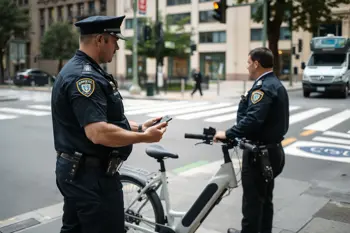
Law enforcement agencies across the globe have increasingly prioritized the seizure of electric bicycles and e-scooters as a method for addressing public safety concerns and criminal activity 1. Recent operations in metropolitan areas have demonstrated a significant uptick in the confiscation of these vehicles, often targeting non-compliant devices that exceed local speed and power regulations 2. In London, for instance, police seized more than 2,500 illegal e-bikes and scooters throughout 2026, a substantial rise that highlights the intensity of current enforcement crackdowns 2. These seizures are frequently conducted as part of broader initiatives to deter phone theft and other street-level crimes, where such vehicles have been utilized to facilitate rapid getaways 2.
Regulatory Standards and Technical Compliance
A primary driver for the impoundment of e-bikes and e-scooters is the failure of these devices to meet legal technical standards. Many jurisdictions define legal electric assisted pedal cycles, or EAPCs, by specific constraints such as a maximum continuous rated power output of 250 watts and a speed cap of 15.5 mph (25 km/h) 9. When devices exceed these thresholds, they are often reclassified as motor vehicles, requiring formal taxation, registration, and insurance 9. Police units have begun deploying portable dynamometers and specialized testing kits to verify compliance on the spot, ensuring that modified vehicles-some of which can reach speeds of nearly 40 mph-are removed from public roads 129.
Addressing Anti-Social Behavior and Public Nuisance
Beyond technical non-compliance, police frequently cite the misuse of these devices as a factor in antisocial behavior (ASB). In regions like Northern Ireland and across various UK cities, authorities have linked the proliferation of e-bikes and e-scooters to criminal damage, reckless riding, and public disturbances 468. Targeted operations, such as those in Greater Manchester and Perth, aim to disrupt these activities by seizing vehicles identified in reports of dangerous riding or community nuisance 35. These enforcement actions are often direct responses to community feedback received at local police surgeries, where residents highlight the safety risks posed by unregistered, high-speed devices 3.
Management of Abandoned and Obstructive Bicycles
In addition to active operation violations, municipal departments often enforce strict ordinances regarding the abandonment of bicycles in public spaces. Bicycles left chained to public infrastructure, such as trees, lamp posts, or signage, are subject to removal if they violate local rights-of-way policies 1011. Cities frequently maintain a classification system where stripped or long-term abandoned bicycles are handled as solid waste or litter, allowing for their eventual disposal after a mandated notice period has elapsed 101215.
Retrieval Protocols and Administrative Fees
Owners of impounded personal mobility devices typically face a complex retrieval process that involves administrative hurdles. When a vehicle is seized, the owner must often present proof of ownership and satisfy various legal requirements to reclaim their property 69. In many jurisdictions, this entails the payment of towing, processing, and daily storage fees, which can accrue significantly if the item is not claimed promptly 10. Furthermore, for vehicles deemed illegal due to unauthorized modifications or lack of insurance, permanent disposal or destruction is a common outcome if no review is requested or if the vehicle remains unclaimed within a set timeframe, typically 14 days 567.
The Future of Enforcement and Public Safety
As the use of micromobility devices continues to evolve, municipalities and law enforcement are refining their operational agreements with rental companies and public sector partners to ensure clearer enforcement of usage rules 7. Future strategies involve a shift from pure education-based enforcement toward more robust, punitive measures for repeat offenders, including temporary and permanent seizure 9. Data indicates that increased enforcement is being driven by the need to protect pedestrians and prevent the escalation of traffic-related incidents involving high-speed, non-compliant electric mobility devices 89.
Sources
- The Irish Times: E-scooters and e-bikes among 90 vehicles seized by gardaí in Dublin
- The Standard: Met Police seize record number of e-bikes in crackdown on phone snatchers
- Manchester Evening News: Police in Hindley and Ince seize nine vehicles in crackdown on e-bikes and e-scooters
- The Irish News: Police using lack of insurance to tackle E-bike scourge in Northern Ireland
- ABC News: Dozens of e-rideables destroyed in police crackdown, with 25 youths charged
- NewsATW: PSNI: Scramblers, e-bikes and e-scooters seized in two day operation
- Metropolitan Police: Met seizes dozens of illegal e-bikes in continued crackdown
- BBC News: Illegal e-scooter riders in the South East 'a menace'
- BBC News: Suffolk e-bike seizures quadruple as police say 'no excuse'
- NYC.gov: Policies for removing abandoned bicycles
- AustinTexas.gov: Dockless mobility impoundment criteria
- SFMTA: Protocol for impounding illegally parked e-scooters
- Portland.gov: Removal process for abandoned bicycles
- DDOT: Rules for impounding scooters that obstruct public walkways
- Seattle.gov: Impoundment of improperly parked scooters
Authored by MyTrendSpot team