Early signs of deep vein thrombosis DVT: An Analysis of Clinical Indicators and Diagnostic Protocols
Understanding Deep Vein Thrombosis (DVT)
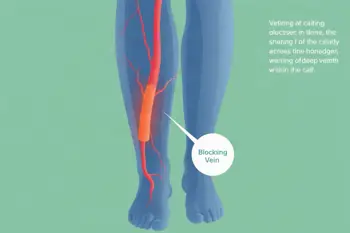
Deep vein thrombosis is a medical condition characterized by the formation of a blood clot within a vein located deep inside the body, most frequently occurring in the lower extremities such as the calf or thigh 1. When a clot, or thrombus, develops, it can obstruct normal blood flow, leading to localized physical changes that serve as essential early indicators for patients and clinical providers alike 2. It is a significant health concern because it affects hundreds of thousands of individuals annually, carrying risks comparable to other major cardiovascular events such as heart attacks and strokes 2.
While many individuals may associate the condition with specific physical sensations, it is notable that the presence of these symptoms is not universal. Some patients experience what are referred to as silent clots, where the condition manifests with little to no outward warning signs 2. Because a deep vein thrombosis can potentially lead to a pulmonary embolism, which occurs when a portion of the clot breaks free and enters the lungs, timely recognition of even mild indicators is considered a critical component of preventative care 3.
Common Early Warning Symptoms
The clinical presentation of DVT is typically unilateral, meaning symptoms usually manifest on only one side of the body 2. Common physical indicators frequently reported by patients include swelling in a single calf, ankle, or foot 2. This swelling is often accompanied by a sense of heaviness, aching, or a cramping sensation that does not subside with rest or time 3. In many instances, individuals describe the discomfort as feeling akin to a pulled muscle or a stubborn cramp that persists during normal activity 3.
In addition to pain and swelling, the skin overlying the affected vein may exhibit visible changes in appearance or temperature. Clinical observations frequently note redness, discoloration, or a distinct sensation of warmth in the affected limb 4. These symptoms arise as a direct consequence of the blood clot impeding the venous return, causing blood to pool in the lower extremity 2. While these are standard markers, it is important to acknowledge that because these symptoms mimic other minor injuries, they may be overlooked until further progression occurs 5.
Risk Factors and Predisposing Conditions
Development of deep vein thrombosis is often associated with factors that impair healthy venous blood flow, lead to damage within the vessel wall, or result in hypercoagulability 5. Research indicates that approximately 1 in 1,000 individuals receive a DVT diagnosis each year, with elevated risk profiles observed in specific groups 2. Older adults and those with chronic illnesses or active malignancy often present a higher incidence rate compared to the general population 2.
Hospitalized patients, particularly those in intensive care units, are at increased risk, with some studies suggesting as many as one-third of these patients may exhibit DVT when screened via specialized imaging 2. Other recognized factors include recent major surgery, prolonged immobility such as during long-haul air travel, pregnancy, obesity, and the use of certain medications like contraceptive pills 4. Patients with a documented family history of blood clotting abnormalities also face a statistically higher probability of experiencing a venous event 4.
Diagnostic Approaches and Clinical Evaluation
When a patient presents with symptoms suggestive of a deep vein thrombosis, clinical providers rely on a systematic approach to diagnosis. The process often begins with a thorough medical history and physical examination to determine the pretest probability of a clot 5. Clinical prediction rules, such as the Wells Criteria, are frequently utilized by practitioners to structure this assessment and guide further testing requirements 5.
In laboratory settings, the D-dimer blood test is commonly deployed. A negative result in this assay can be highly effective in ruling out DVT in low-risk patients; however, a positive result is considered nonspecific and necessitates additional confirmatory measures 5. The current standard for definitive imaging is compression ultrasonography, which allows clinicians to visualize the deep veins and identify blockages or reduced blood flow directly 5. This modality provides the necessary evidence to confirm the presence and location of a thrombus.
Treatment Strategies and Long-Term Management
The primary therapeutic goal for DVT is the administration of anticoagulation medication, which functions to thin the blood and prevent existing clots from increasing in size while the body’s internal mechanisms work to naturally dissolve the obstruction 4. Clinical protocols generally mandate a minimum treatment duration of three months, though the specific timeline is tailored to the individual patient’s underlying risk factors and clinical status 4.
| Medication Category | Examples |
|---|---|
| Low Molecular Weight Heparin | Dalteparin |
| Vitamin K Antagonists | Warfarin |
| Direct Oral Anticoagulants (NOACs) | Rivaroxaban |
Ongoing monitoring is essential, as post-thrombotic syndrome and chronic venous insufficiency represent potential long-term complications following the initial event 5. Damage to the valves within the veins can lead to persistent swelling, chronic aching, skin discoloration, and the development of varicose veins even after the acute clot has been addressed 5. Medical supervision helps in managing these late-stage effects and maintaining venous health through specialized long-term follow-up care 5.
The Importance of Professional Medical Consultation
Given the potential for severe, life-threatening complications like pulmonary embolism, seeking immediate medical evaluation upon the observation of DVT symptoms is vital 3. Despite educational efforts-one study noted that only 28 percent of respondents felt confident in their ability to identify the physical sensations of a leg blood clot-public awareness remains a major focus of clinical health initiatives 3. Prompt intervention does more than just alleviate immediate pain; it serves as a critical measure to prevent the migration of an embolus to the lungs 5.
Patients are generally encouraged to contact their healthcare provider if they experience sudden, unexplained, or worsening pain and swelling in one limb, regardless of whether they identify with known risk factors 3. Objective clinical evidence supports the fact that early detection significantly improves prognosis and reduces the likelihood of long-term disability or fatal outcomes related to venous thromboembolism 5.
Sources
- Cleveland Clinic: Deep Vein Thrombosis (DVT) - Symptoms & Treatment
- UC Davis Health: What is a DVT? Symptoms, dangers and when to get help
- World Thrombosis Day: Deep vein thrombosis (DVT) - Symptoms, causes & treatment
- Doncaster and Bassetlaw Teaching Hospitals: Deep Vein Thrombosis (DVT)
- Merck Manual Professional Edition: Deep Venous Thrombosis (DVT)
Authored by MyTrendSpot team