Warning signs of COPD: A Clinical Guide to Early Symptoms and Evaluation
Recognizing the earliest changes
COPD often develops slowly, so early breathing changes may be normalized or attributed to aging, being out of shape, weather, or a lingering cold. A chronic cough or new shortness of breath is not considered a normal part of aging. Symptoms can become noticeable first during stairs, exercise, walking, bathing, or other routine activity, before they interfere with daily life. More than 16 million people in the United States have received a COPD diagnosis, while millions more may remain undiagnosed. 1
The most consistently reported warning signs are breathlessness, a persistent cough, mucus or phlegm production, wheezing, chest tightness, and fatigue. Not every person experiences the same combination, and symptoms may vary in intensity over time. A cough that continues after an apparent respiratory illness, or exertional breathlessness that is new or gradually changing, warrants discussion with a healthcare provider, particularly when a relevant exposure history is present. 2
Breathlessness and reduced activity tolerance
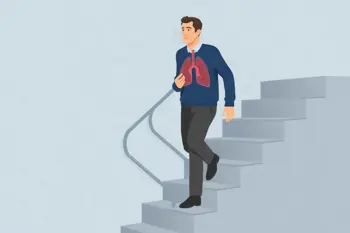
Shortness of breath is often one of the most important functional clues. COPD-related breathlessness may appear during physical exertion and progressively limit activities that were previously manageable. People may walk more slowly, pause on stairs, avoid exercise, or unconsciously reduce household and recreational activity. This gradual adaptation can conceal the decline because the person is doing less rather than recognizing that breathing capacity has changed. 3
Breathlessness alone does not establish COPD because several conditions can cause it. Its significance increases when it persists, worsens over time, or occurs together with chronic cough, wheezing, sputum, fatigue, or known exposure to tobacco smoke, dust, fumes, or air pollution. The American Lung Association identifies tobacco use as a leading cause, but also notes that one in four people who develop COPD never smoked. 1
Cough, mucus, wheezing, and chest tightness
A chronic cough may be dry or may bring up sputum, also called mucus or phlegm. Ongoing mucus production can reflect airway irritation and is frequently reported alongside airflow limitation. Wheezing, described as a whistling sound during breathing, and chest tightness are additional recognized symptoms. These signs can be intermittent at first, which may lead people to associate them with seasonal allergies, temporary infections, or smoking rather than a persistent lung condition. 4
Chronic bronchitis is a clinical pattern involving a cough that produces sputum for at least three months in each of two consecutive years. When that pattern occurs with persistent airflow obstruction, it qualifies as chronic obstructive bronchitis. COPD can also include emphysema, in which lung tissue is widely and irreversibly damaged, and some people have both conditions. Symptoms therefore need interpretation in the context of examination and lung-function testing. 5
Repeated infections and less specific symptoms
Recurring respiratory infections, including acute bronchitis or pneumonia, can be an important pattern to report. Repeated infections may occur with cough, increased mucus, wheezing, and declining exercise tolerance. A history of frequent chest infections does not prove COPD, but it can strengthen the case for a clinical assessment when combined with persistent respiratory symptoms or risk exposures. Tracking how often infections occur and how long recovery takes can provide useful information for a medical review. 6
Fatigue is another possible symptom and may reflect the increased effort required for breathing or the effect of reduced activity. More advanced disease can be associated with unintended weight loss, while swelling of the ankles, feet, or legs may indicate complications or another medical problem requiring assessment. These less specific findings should not be used to self-diagnose COPD, but their appearance alongside breathlessness, cough, or recurrent infections should be included in the patient history. 8
Risk factors that change the context
Tobacco smoke remains the most important COPD cause identified in the supplied clinical references. Risk can also arise from long-term secondhand smoke, outdoor air pollution, workplace dust or chemicals, fumes, and toxins from biomass fuels such as wood and grasses. A genetic condition called alpha-1 antitrypsin deficiency is a less common cause and can be relevant in people who develop airflow disease without a smoking history. 4
Age and exposure history help determine when symptoms deserve closer attention. The American Lung Association identifies people aged 40 or older with a history of tobacco use as a higher-risk group, while emphasizing that anyone can develop COPD. Occupational exposures and environmental irritants also matter for people who have never smoked. Symptoms should therefore be considered with the full history of smoking, secondhand smoke, workplace conditions, household fuel exposure, and air quality. 1
How COPD is confirmed
Symptoms cannot confirm COPD by themselves because cough and breathlessness overlap with asthma, infections, cardiovascular disease, and other conditions. Diagnosis begins with a conversation about symptoms and risk factors, followed by a clinical evaluation. When COPD is suspected, spirometry is the principal breathing test used to measure airflow. The person breathes into a tube connected to a computer, and the results help determine whether persistent obstruction is present and how severe it may be. 3
Medical evaluation is particularly relevant when breathlessness with exertion is new, changes over time, or begins restricting routine tasks. A healthcare provider may also consider the pattern of cough, sputum, wheezing, infections, smoking, and workplace or household exposures. Chest imaging and additional lung-function assessments may be used as part of the broader evaluation, but spirometry is the test specifically identified in the supplied American Lung Association guidance for confirming suspected COPD. 7
When a change may signal a flare-up
A sudden increase in breathlessness, coughing, or mucus production can represent an exacerbation, sometimes called a flare-up. Mucus may also change in appearance, including becoming purulent. These changes differ from the slow progression of early COPD and can require prompt medical assessment, especially when usual treatments are not controlling symptoms. The relevant comparison is often with a person’s normal breathing, cough, sputum amount, and activity tolerance. 9
Severe difficulty breathing, blue or gray lips or fingernails, confusion, or an inability to speak in full sentences are emergency warning signs. Such findings can indicate inadequate oxygenation or serious respiratory distress and require emergency medical care. Sudden worsening can also result from infection, asthma, heart disease, or another acute condition, so the cause should be assessed rather than assumed. Persistent or progressive warning signs merit a structured clinical evaluation even when symptoms seem familiar. 10
Sources
- American Lung Association, Early Warning Signs of COPD
- Harvard Health, COPD symptoms: How to spot them early
- FamilyDoctor.org, COPD
- Merck Manual Consumer Version, Chronic Obstructive Pulmonary Disease
- MSD Manual Professional Edition, Chronic Obstructive Pulmonary Disease
- Acibadem Hospitals Group, COPD Symptoms: Causes and When to Seek Care
- Centers for Disease Control and Prevention, COPD symptoms
- National Heart, Lung, and Blood Institute, COPD symptoms
- Merck Manual, COPD exacerbations
- Acibadem Hospitals Group, emergency COPD warning signs
Authored by MyTrendSpot team