Best facilities for orthopedic surgery: An evidence-based comparison of hospitals and surgical centers
Best facilities for orthopedic surgery range from highly specialized hospitals to outpatient orthopedic campuses and ambulatory surgery centers. The available research shows that facility quality cannot be judged by reputation alone: specialty coverage, safety measures, rehabilitation access, surgeon expertise, and suitability for the specific procedure all matter.
How orthopedic facilities are categorized
Orthopedic care is delivered in several settings. Dedicated hospitals such as Hospital for Special Surgery, NYU Langone Orthopedic Hospital, and orthopedic departments within large academic medical centers provide subspecialty surgery, inpatient care, research, and access to other medical disciplines. Outpatient campuses focus on coordinated diagnosis, surgery, and rehabilitation, while ambulatory surgery centers generally serve carefully selected patients whose procedures do not require prolonged hospital monitoring.
The research identifies broad service coverage across leading programs. Common areas include joint replacement, spine surgery, sports medicine, trauma, hand surgery, pediatric orthopedics, and orthopedic oncology. Mayo Clinic, Cleveland Clinic, Johns Hopkins, Mass General Brigham, Cedars-Sinai, Rush, and UCSF are described as offering multiple subspecialties, while other facilities are organized around more concentrated orthopedic or joint-replacement services. 1
| Facility type | Typical distinguishing feature |
|---|---|
| Academic medical center | Subspecialty depth, research, and access to complex medical support |
| Dedicated orthopedic hospital | Concentrated musculoskeletal expertise and specialized surgical pathways |
| Orthopedic outpatient campus | Imaging, surgery, therapy, and rehabilitation in an integrated setting |
| Ambulatory surgery center | Outpatient procedures assessed through safety and outcome measures |
Facilities recognized for orthopedic specialization
Hospital for Special Surgery in New York City is identified in the supplied research as a dedicated orthopedic hospital treating joint replacement, spine conditions, sports injuries, and pediatric orthopedic disorders. Newsweek’s America’s Best Hospitals for Specialized Care 2026 ranking named HSS No. 1 in orthopedics, using professional and hospital-manager surveys, patient experience information, patient-reported outcomes, and specialty-specific safety and quality measures. 2
NYU Langone Orthopedic Hospital is presented as an example of a specialty hospital integrated into a major academic medical center. NYU’s orthopedic leadership describes the program as the No. 2 orthopedic program in the country according to U.S. News & World Report, following a long-term integration of clinical operations, data systems, quality protocols, and affiliated hospitals. The example illustrates why institutional integration can be relevant when complex orthopedic cases require broader medical support. 3
- HSS: dedicated orthopedic care across adult and pediatric services.
- NYU Langone: specialty orthopedic infrastructure within an academic health system.
- Severance Hospital: sixth globally in orthopedic surgery in a 2027 Newsweek and Statista report.
Integrated diagnosis, surgery, and rehabilitation
Montefiore Einstein Comprehensive Orthopedic and Spine Center in West Nyack is described as a freestanding outpatient facility designed to combine diagnosis, treatment, and rehabilitation for musculoskeletal conditions affecting adults and children. Its multidisciplinary team includes orthopedics, neurosurgery, rheumatology, podiatry, physical medicine and rehabilitation, radiology, and pain management. The center reports a top 1% U.S. ranking for orthopedic surgery and rehabilitation from U.S. News & World Report. 4
ORA Orthopedics’ new Bettendorf campus demonstrates another coordinated model. The reported 113,000-square-foot facility includes a clinic, a 10-operating-room ambulatory surgery center, two procedure rooms, physical and occupational therapy space, an aquatic therapy pool, MRI, CT, digital X-ray, and an orthopedic urgent-care service. Such infrastructure may reduce the need to coordinate separate appointments, but the appropriate setting still depends on procedure complexity, medical risk, and postoperative monitoring requirements.
| Integrated resource | Why it matters |
|---|---|
| Advanced imaging | Supports diagnosis and surgical planning |
| Physical therapy | Connects postoperative treatment with rehabilitation |
| Multiple specialties | Helps address spine, joint, neurological, and pain-related issues |
| On-site recovery services | Creates a more continuous pathway after surgery |
Technology and joint-replacement capabilities
Acibadem’s International Joint Center in Istanbul reports care for shoulder, hip, knee, ankle, and other joint conditions through Acibadem Maslak Hospital. The supplied information lists robotic-assisted surgery, navigation, 3D planning based on patient anatomy, advanced imaging, minimally invasive platforms, intraoperative monitoring, regional and general anesthesia, and specialist rehabilitation planning. The center reports 125 specialists, 19 hospitals in the group, 57 treatments, and seven JCI-accredited hospitals. 5
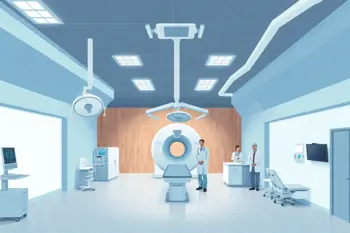
Reported procedure figures from the same source include 45 to 90 minutes for typical knee or hip replacement procedures, a usual hospital stay of one to three days, and a stated modern implant lifespan of 25 to 35 years. These are facility-reported figures and should not be treated as individual guarantees. Robotic assistance is also not automatically superior for every patient. The research states that imaging and surgeon judgment determine whether a robotic or conventional approach is appropriate. 6
- Ask whether the technology is relevant to the specific joint or procedure.
- Distinguish facility-wide capabilities from the experience of the individual surgeon.
- Confirm how imaging, anesthesia, infection prevention, and rehabilitation are coordinated.
Outcomes, accreditation, and ambulatory safety
Orthopedic Associates Surgery Center in Hartford was recognized by U.S. News & World Report among the 2026 Best Ambulatory Surgery Centers for Orthopedics. The reported evaluation considered complications, unplanned hospital admissions, and emergency-department visits after outpatient procedures, with recognition given to the top 15% of centers nationwide in each specialty. These measures are useful because they focus on observed outcomes rather than facility appearance or marketing claims. 7
Guthrie Broome Orthopedic and Spine Surgery Center is reported as a dedicated orthopedic ambulatory center with four operating rooms, 17 private recovery bays, and a surgical robot. Planned services include outpatient spine surgery, joint replacement, pain procedures, and sports medicine. Accreditation, regulatory compliance, emergency transfer arrangements, infection-control systems, anesthesia protocols, and postoperative follow-up should be examined alongside rankings because outpatient eligibility varies with health status, procedure type, and anticipated recovery needs.
| Quality question | Evidence to examine |
|---|---|
| Safety | Complications, emergency visits, and unplanned admissions |
| Oversight | Accreditation and applicable state or national regulation |
| Patient selection | Medical criteria for outpatient versus inpatient surgery |
| Continuity | Postoperative contact, therapy, and escalation procedures |
How to compare facilities responsibly
Rankings can provide an initial comparison point, but they are not a substitute for procedure-specific evaluation. The research recommends considering surgeon expertise, procedure volume, outcomes, accreditation, and insurance access alongside rankings. A facility known for sports medicine may not be the most appropriate setting for a complex revision joint replacement, spine deformity, pediatric condition, or orthopedic tumor. The relevant question is whether the hospital’s expertise matches the patient’s diagnosis and risk profile.
Patients should also account for practical friction points: travel, family support, rehabilitation location, language services, records transfer, implant planning, and management of complications after discharge. International treatment introduces additional coordination issues, including follow-up across borders and verification of accreditation. No ranking establishes eligibility or guarantees an outcome. A careful comparison therefore weighs clinical fit, measurable safety information, multidisciplinary support, regulatory oversight, and the full recovery pathway rather than relying on a single label.
Sources
- Hospital for Special Surgery, HSS rankings and Newsweek orthopedic recognition
- Newsweek and HSS, America’s Best Hospitals for Specialized Care 2026
- NYU Langone Health, Two Decades of Integration That Built a Top Orthopedic Program
- Montefiore Einstein Comprehensive Orthopedic and Spine Center
- Acibadem International, Orthopedics and Joint Center
- Acibadem International Joint Center, Facilities and Resources
- Orthopedic Associates Surgery Center, U.S. News 2026 recognition
Authored by MyTrendSpot team