10 days Portugal travel packages: A Professional Analysis of Planning and Itinerary Structure
A 10-day period in Portugal is frequently identified as the ideal duration to capture the diversity of the country’s geography and cultural history 1. Travel planning for this timeframe typically involves a strategic balance between major urban centers like Lisbon and Porto, the wine regions of the Douro Valley, and the coastal landscapes of the Algarve or the western Atlantic front 2. Rather than attempting to cover the entire country, which can lead to excessive transit times, many structured 10-day itineraries focus on a north-to-south or south-to-north progression 3.
Regional Distribution and Logistics
Most itineraries of this length divide time into segments of three to four days per major region to minimize the need for frequent hotel changes 4. A common structural approach involves beginning in Lisbon to access its historic Alfama district, the monuments of Belém, and day-trip options such as Sintra 5. Following this, travelers often transition to central Portugal, incorporating stops in Coimbra or the medieval village of Óbidos before concluding in Porto or the Douro Valley 6. This logical flow maximizes time spent on-site rather than in transit between disparate locations 7.
Transport and Mobility Considerations
Transportation options for 10-day trips vary based on the traveler's preference for independence or guided support. The rail network between Lisbon and Porto is a frequent preference for those avoiding the complexities of rental car logistics in historic city centers 8. Conversely, road trips are often utilized for segments requiring access to the Alentejo region or the rugged coastlines of the western Algarve, where public transit can be less frequent 9. Managing tolls and parking in cities like Lisbon requires specific awareness, as compact vehicles are standardly recommended for maneuvering through narrow, cobblestone streets 10.
Common Components of Travel Itineraries
Structured 10-day itineraries frequently include a specific set of cultural and historical touchpoints designed to provide an overview of the nation's heritage. The following table summarizes the typical distribution of activities observed in professional travel planning for a 10-day duration:
| Region | Primary Focus | Key Landmarks |
|---|---|---|
| Lisbon/Sintra | Capital history and palaces | Pena Palace, Alfama, Belém Tower |
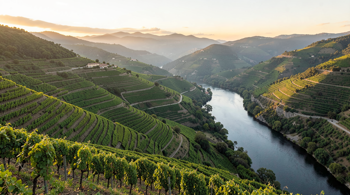
| Porto/Douro | Viticulture and river heritage | Douro Valley, Ribeira, Port cellars |
| Central/Alentejo | Medieval history and ruins | Évora Roman Temple, Coimbra University |
| Algarve | Coastal geology and maritime | Ponta da Piedade, Sagres Cliffs |
Economic and Regulatory Context
Portugal utilizes the euro as its primary currency, and travelers from the United States must account for Schengen Area entry regulations for short-stay tourism 11. Costs for these 10-day experiences can fluctuate significantly based on the level of accommodation, the inclusion of private driver-guides versus self-directed transit, and seasonal demand 12. It is common for high-demand periods, particularly from May to October, to require bookings for popular sites like the Pena Palace or specific wine estates well in advance to avoid limited availability 13.
Risk and Maintenance Realities
Travelers should be aware of specific friction points in Portugal, such as the practice of charging for appetizers or 'couvert' items like bread and olives, which are typically billed as add-ons if consumed at restaurants 14. Furthermore, the hilly topography of Lisbon and Porto is a standard factor that necessitates comfortable footwear for all planned walking tours 15. Managing these daily realities is a common element of successful trip planning, as is the need for travel insurance and adherence to health guidelines provided by national and international health authorities 16.
Objective Overview of Travel Approaches
There is a distinct difference between self-planned road trips and professionally facilitated private tours. Private tours typically feature Mercedes-Benz vehicles or similar high-end transport with English-speaking guides who offer historical narrative beyond simple chauffeuring 17. Self-guided trips, by contrast, offer greater spontaneity but require the traveler to independently manage logistics such as ticket reservations for major monuments, local navigation, and the coordination of luggage during transit legs 18. Regardless of the chosen method, the 10-day window remains a consistent, well-regarded duration for comprehensive exploration of the region 19.
Sources
- Visit Portugal, Official Tourism Guidance
- Tripadvisor, Portugal Attractions and Itinerary Reviews
- European Commission, Schengen Area Regulations
- U.S. Department of State, Country Information for Portugal
- Banco de Portugal, Official Financial References
- Expedia, Vacation Package Data
- Booking.com, Accommodation Inventory Logistics
- Intrepid Travel, Multi-day Guided Tours
- TAP Air Portugal, Network and Regional Routes
- CDC, Traveler Health Information for Portugal
- Europe Private Tours, Sample Itinerary Analysis
- The Portugal Guides, Itinerary Logistics
- My Trip Blueprint, Planning Tips
- Zicasso, Trip Overview Data
- Destination.com, Itinerary Frameworks
- Rough Guides, Local Expert Planning
- Adventure Tripr, Cultural Tour Details
- Where’s Katie Now, Independent Travel Logistics
- Portugal Magik, Private Tour Standards
Authored by MyTrendSpot team