Warning signs of heart disease: A clinical guide to symptoms that warrant attention
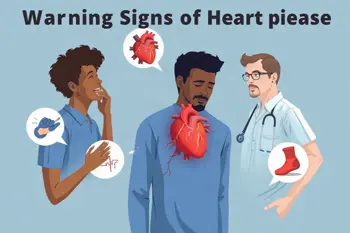
The warning signs of heart disease should never be ignored, even when symptoms seem mild, intermittent, or easy to attribute to stress, aging, indigestion, or being out of shape. Clinical sources describe both familiar symptoms, including chest discomfort and shortness of breath, and less obvious signals such as fatigue, nausea, swelling, palpitations, and pain in the jaw or back. 1
How heart disease symptoms can appear
Heart disease is a broad term covering conditions that affect the heart or blood vessels. Coronary artery disease is the most common form in the United States and occurs when plaque narrows arteries that supply oxygen-rich blood to the heart. Other conditions include heart failure, valve disorders, congenital heart disease, peripheral artery disease, and abnormal heart rhythms. Because these conditions differ, symptoms vary substantially between individuals. 2
Symptoms can also be mild or absent during the early stages. A pattern that deserves medical attention is discomfort, breathlessness, fatigue, or another unusual sensation that appears during exertion and improves with rest. This pattern may indicate that the heart is not receiving enough oxygen when its workload increases, although other medical explanations are possible. Risk is more concerning when high blood pressure, high cholesterol, diabetes, tobacco use, obesity, inactivity, or a strong family history is present. 3
Chest pressure and breathing changes
Chest discomfort is commonly described as pressure, tightness, fullness, squeezing, or heaviness rather than a sharp pain. It may last several minutes, recur, or arise during exercise, emotional stress, or routine activity. Some people mistake it for heartburn or indigestion, particularly when it follows a meal. Coronary artery disease can produce angina when narrowed arteries cannot deliver enough oxygen to working heart muscle. 4
Shortness of breath during walking, climbing stairs, or ordinary chores is another important warning sign. Breathlessness may reflect coronary artery disease or heart failure, especially when it is new, worsening, or accompanied by fatigue. Difficulty breathing while lying flat, persistent cough, wheezing, or waking with breathing difficulty can also occur when fluid accumulates in or around the lungs. These symptoms require clinical assessment rather than being automatically attributed to age or poor fitness. 5
Pain beyond the chest
Heart-related discomfort may spread to one or both arms, the shoulders, back, neck, jaw, throat, or upper abdomen. The sensation can be dull, tight, or heavy, and it may occur with or without obvious chest pain. Pain that appears during exertion, emotional stress, or another increase in cardiac workload is particularly relevant. However, location alone cannot confirm the cause, because musculoskeletal, digestive, and neurological conditions can produce similar sensations. 1
Women and older adults may experience less typical symptom patterns, including unusual fatigue, nausea, breathlessness, or discomfort in the back or jaw. A symptom does not need to be severe to matter, and a person with known risk factors should report new or unexplained episodes to a healthcare professional. Recurrent symptoms that resolve with rest still warrant evaluation because intermittent angina can precede a more serious coronary event. 6
Fatigue, nausea, and sweating
Extreme or unusual fatigue can be an early sign of coronary artery disease or heart failure. It may feel different from ordinary tiredness after a demanding day and can persist despite rest. Fatigue is especially important when it occurs with reduced exercise capacity, breathlessness, chest discomfort, or a general sense that something is wrong. It is not specific to heart disease, but unexplained persistent fatigue should not be dismissed without considering medical causes. 3
Nausea, stomach discomfort, indigestion, abdominal pain, or unexplained sweating can accompany cardiac distress. These symptoms may be mistaken for a gastrointestinal illness, particularly when chest pain is absent. Sweating without physical exertion is also recognized among possible heart attack symptoms. A combination of nausea, cold sweating, weakness, breathlessness, or pressure in the chest or upper body is more concerning than any one symptom alone. 7
Palpitations, dizziness, and fainting
Palpitations describe awareness of a racing, pounding, fluttering, or irregular heartbeat. They may occur with rhythm disorders, stress, medication effects, or other conditions, so the sensation itself does not establish a diagnosis. Repeated episodes, a persistently fast heart rate, or palpitations accompanied by chest discomfort, breathlessness, dizziness, or weakness require medical review because abnormal electrical activity can reduce effective blood flow. 2
Dizziness, lightheadedness, near-fainting, and fainting can occur when the brain receives temporarily reduced blood flow. Arrhythmias, reduced cardiac output, structural heart disease, and other problems may contribute. Fainting during exertion or alongside chest pain or palpitations is especially significant. Evaluation may include a physical examination, electrocardiogram, blood tests, echocardiography, or other testing selected according to the symptoms and clinical history. 8
Swelling and signs of heart failure
Swelling in the feet, ankles, legs, fingers, or abdomen may indicate fluid retention. In heart failure, reduced pumping ability can make it harder for blood to return efficiently from the lower body, allowing fluid to collect in tissues. Persistent cough, wheezing, activity limitation, breathlessness, and rapid weight gain can accompany this process. Swelling also has kidney, liver, venous, medication-related, and other possible causes, so assessment is needed to identify the source. 9
A useful clinical framework for possible heart failure is the FACES acronym: fatigue, activity limitation, congestion, edema, and shortness of breath. These signs do not prove heart failure, but their combination can indicate that the heart is not meeting the body's oxygen and circulation demands. Emergency symptoms include chest pain, severe or sudden breathlessness, collapse, or symptoms suggesting cardiac arrest, heart attack, or another life-threatening condition. 10
When symptoms require emergency evaluation
Emergency medical care is appropriate for chest pressure or discomfort that persists, returns, spreads to the arm, back, neck, jaw, or upper stomach, or occurs with shortness of breath, sweating, nausea, severe weakness, or fainting. Sudden severe breathlessness, collapse, or a new neurological deficit also requires emergency assessment. Heart attack symptoms can be intermittent, and some people have no recognized warning period beforehand. 1
Symptoms alone cannot determine whether a person has coronary artery disease, heart failure, an arrhythmia, or another condition. Diagnosis generally depends on medical history, examination, and appropriate testing. Regular evaluation is important even when symptoms are absent because high blood pressure, high cholesterol, diabetes, tobacco use, obesity, inactivity, and family history can increase cardiovascular risk without producing noticeable sensations. 3
Sources
- NIHD, “Heart Disease Warning Signs You Should Never Ignore,” https://www.nih.org/nihd-news/2026/february/heart-disease-warning-signs-you-should-never-ign/
- UC Davis Health, “Heart Disease,” https://health.ucdavis.edu/conditions/heart-vascular/heart-disease
- Harvard Health, “5 overlooked symptoms that may signal heart trouble,” https://www.health.harvard.edu/heart-health/5-overlooked-symptoms-that-may-signal-heart-trouble
- Harvard Health, “Coronary Artery Disease,” https://www.health.harvard.edu/heart-health/coronary-artery-disease-a-to-z
- Penn Medicine, “Coronary Artery Disease: Symptoms and Causes,” https://www.pennmedicine.org/conditions/coronary-artery-disease
- Cleveland Clinic, “What Are Early Warning Signs of a Heart Attack?” https://health.clevelandclinic.org/early-signs-of-a-heart-attack
- MedlinePlus, “Heart Attack,” https://medlineplus.gov/ency/article/000195.htm
- Johns Hopkins Medicine, “Heart Disease,” https://www.hopkinsmedicine.org/health/conditions-and-diseases/heart-disease
- Harvard Health, “5 warning signs of early heart failure,” https://www.health.harvard.edu/heart-health/5-warning-signs-of-early-heart-failure
- Acibadem International, “Heart Disease: Symptoms, Causes, and Treatment Options,” https://acibademinternational.com/health-library/heart-disease-symptoms-causes-and-treatment-options/
Authored by MyTrendSpot team