Warning signs of gallstones: Clinical analysis of symptoms and diagnostic indicators
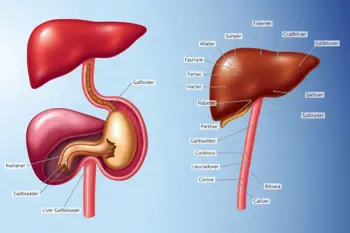
Gallstones are hardened deposits of digestive fluid that form within the gallbladder, a small organ located beneath the liver 4. While these deposits range in size from tiny grains of sand to larger structures the size of a golf ball, they frequently remain asymptomatic, a state often referred to as having silent gallstones 1. Understanding the physiological markers of gallstone disease is essential for identifying when these typically benign deposits evolve into clinical conditions requiring intervention 9.
The Nature of Biliary Colic and Pain Presentations
The primary symptom associated with symptomatic cholelithiasis is biliary colic, a condition characterized by sudden and intense pain in the upper right or middle abdomen 1, 11. This pain typically results from a gallstone obstructing a bile duct, preventing the normal outflow of bile from the gallbladder 4, 9. Such episodes often manifest in the evening or during the night and are frequently triggered by the consumption of heavy or fatty meals, which stimulate gallbladder contraction 1, 2.
Clinical observations indicate that this pain is generally steady rather than intermittent, often persisting for a duration ranging from several minutes to several hours 1, 5. Beyond the immediate abdominal area, the discomfort may radiate to the right shoulder or the space between the shoulder blades 11, 12. If the blockage persists for an extended period, the likelihood of developing secondary complications increases, necessitating closer clinical monitoring 1.
Common Associated Gastrointestinal Symptoms
While abdominal pain serves as the hallmark indicator of a gallbladder attack, it is frequently accompanied by systemic gastrointestinal distress. Nausea and vomiting are common secondary symptoms that occur during a biliary colic event 1, 8. However, it is important to note that these symptoms are non-specific and are shared with various other gastrointestinal disorders, including pancreatitis, ulcers, and gastroesophageal reflux disease 1.
The presence of these symptoms alone does not confirm the diagnosis of gallstone disease. Clinical evaluation typically requires imaging, most commonly ultrasonography, to identify the presence and location of calculi 3, 9. Because gallstone symptoms can mimic those of appendicitis or other inflammatory abdominal conditions, diagnostic accuracy often relies on distinguishing the location and duration of the pain alongside laboratory tests 1, 8.
Indicators of Severe Complications
The progression of gallstone disease can lead to significant inflammation or infection of the biliary system, including the gallbladder, bile ducts, or pancreas 1, 9. Patients presenting with fever, even at a low grade, or recurring chills should seek medical attention, as these are often indicators of an underlying infection such as cholecystitis or cholangitis 1, 13. Such complications are considered serious and require prompt clinical intervention to prevent further degradation of health 1, 7.
Jaundice, which manifests as a yellowish discoloration of the skin or the whites of the eyes, represents a critical clinical indicator that a stone may be blocking a major bile duct 1, 14. This obstructive process may also result in secondary changes, such as tea-colored urine and stool that appears light or clay-colored 1, 14. These signs warrant immediate diagnostic assessment to rule out bile duct obstruction or pancreatitis 1, 8.
Epidemiological Context and Risk Factors
Gallstones represent a significant public health issue in the United States, with an estimated prevalence of 14% among the population over the age of 20 3, 7. Demographic trends suggest that the incidence of gallstones has doubled over the three decades between 1988 and 2020 7. While silent gallstones represent the majority of cases, specific risk factors are associated with a higher likelihood of stone formation 2, 3.
| Risk Factor Category | Associated Conditions |
|---|---|
| Demographic | Female sex, older age |
| Metabolic | Obesity, high cholesterol, lipid abnormalities |
| Lifestyle | Physical inactivity |
| Medical | Diabetes, prediabetes, family history |
Diagnostic Considerations
The diagnosis of cholelithiasis is typically confirmed through imaging, with ultrasonography serving as the first-line modality due to its high accuracy in detecting gallbladder stones 3, 8. When a patient presents with symptoms, physicians must perform a differential diagnosis to distinguish between symptomatic cholelithiasis, acute cholecystitis, choledocholithiasis, and gallstone pancreatitis 8. These conditions require different management strategies ranging from observation to surgical intervention, such as cholecystectomy 3, 9.
Symptomatic gallstone disease, characterized by recurrent episodes of pain or identified complications, is generally addressed through the removal of the gallbladder 3, 8. Conversely, silent gallstones are usually managed through observation, as they do not impede the function of the liver, gallbladder, or pancreas and often remain stable over time 1, 7. Patients are encouraged to maintain awareness of changes in abdominal symptoms and consult with health professionals for accurate assessment 9.
Conclusion and Clinical Recommendations
The management of gallstones is predicated on the presence of symptoms and the risk of complications. While many individuals remain asymptomatic throughout their lives, the transition to a symptomatic state characterized by biliary colic requires careful medical oversight 1, 5. Emergency care is necessary for patients presenting with persistent, severe pain combined with indicators of systemic infection, such as high fever, jaundice, or an inability to retain fluids 11.
By understanding the warning signs, patients can better participate in their own health outcomes by seeking timely, evidence-based care when symptoms arise. Continuous monitoring and clinical consultation remain the standard for those diagnosed with gallstones to ensure that potential complications are identified and treated at the earliest possible stage 8, 9.
Sources
- National Institute of Diabetes and Digestive and Kidney Diseases: Symptoms & Causes of Gallstones
- Harvard Health: What to do about gallstones
- Merck Manual Consumer Version: Gallstones
- National Institute of Diabetes and Digestive and Kidney Diseases: Definition & Facts for Gallstones
- NHS Inform: Gallstones
- Cedars-Sinai: Gallstones Explained
- Merck Manual Professional Edition: Cholelithiasis
- American Academy of Family Physicians: Gallstone Disease
- Acibadem Hospitals Group: Gallstones, Silent Stones, Pain Attacks, and When Treatment Is Needed
- American College of Gastroenterology: Gallstones
- Mayo Clinic: Gallstones Symptoms
- Cleveland Clinic: Gallstones
- Mount Sinai: Gallstones
- Johns Hopkins Medicine: Gallstones
Authored by MyTrendSpot team