Best pulmonary rehabilitation care programs: An evidence-based guide
People researching the best pulmonary rehabilitation care programs are generally looking for structured help with breathlessness, reduced stamina, and the daily limitations associated with chronic lung disease. The available evidence shows that effective programs are not defined by a single exercise class or facility feature, but by coordinated assessment, supervised training, education, and follow-up support.
What pulmonary rehabilitation programs provide
Pulmonary rehabilitation is a medically supervised service designed to improve functional capacity and quality of life for people with chronic respiratory disorders. Core elements commonly include exercise training, education, behavioral support, and individualized treatment planning. Penn Medicine describes tailored plans that may support people with COPD, interstitial lung disease, lung cancer, other lung disorders, or recovery after lung surgery. 1
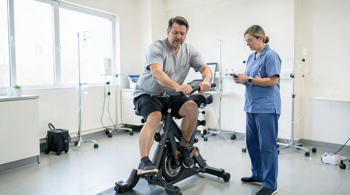
The clinical team can include pulmonologists, nurses, physiotherapists, clinical exercise physiologists, and other trained professionals. Programs generally assess symptoms and physical ability before setting exercise intensity, then monitor progress during treatment. The goal is management rather than a cure: pulmonary rehabilitation can reduce breathlessness, improve stamina, and support physical and emotional quality of life without reversing the underlying lung disorder. 1
Program features associated with stronger care
Accreditation is one useful quality signal, although it is not a guarantee that every participant will experience the same outcome. McLaren Flint reports that its program was among the first in the United States to receive accreditation from the American Association of Cardiovascular and Pulmonary Rehabilitation and has operated for more than 35 years. Pomona Valley Hospital Medical Center also identifies AACVPR certification as part of its pulmonary rehabilitation service. 2 3
A complete program should address more than aerobic conditioning. Reported components across established services include breathing retraining, bronchial hygiene, inhaler education, disease-management instruction, panic control, nutrition information, psychosocial support, and guidance for family members. These features matter because breathlessness can affect activity, confidence, employment, household tasks, and mental well-being, not only lung measurements. 2 3
Comparing centre-based, home-based, and hybrid models
Centre-based rehabilitation remains a common model because exercise can be supervised in a clinical setting and adjusted according to observed symptoms and performance. Wythenshawe Hospital describes a six-week course with face-to-face assessment, twice-weekly group exercise, education, and continuous supervision. Its programme is accredited through the Pulmonary Rehabilitation Service Accreditation Scheme, which assesses services against national standards. 4
Home-based, digital, and hybrid delivery can provide alternatives when travel, scheduling, or physical access creates barriers. Spirit Health describes an approach beginning with in-person assessment and continuing through a six-week digital programme with exercise videos, questionnaires, education resources, and live sessions. A 2025 systematic review and network meta-analysis found that pulmonary rehabilitation generally improved walking capacity and dyspnea compared with usual care, while outpatient programmes showed larger effects in the included studies. However, the review rated certainty of evidence as low because many studies had limitations and imprecision. 5 7
Conditions, referral, and eligibility considerations
Programs may serve people with COPD, emphysema, chronic bronchitis, asthma, pulmonary fibrosis, sarcoidosis, restrictive lung disease, bronchiectasis, interstitial lung disease, or selected lung-cancer and transplant-related needs. McLaren lists both preoperative and postoperative lung-transplant rehabilitation among its patient groups, while Penn identifies rehabilitation after lung-volume-reduction or lung-transplant surgery as a possible indication. Eligibility depends on clinical assessment, diagnosis, safety, and referral arrangements rather than diagnosis alone. 1 2
Referral requirements and coverage rules vary by health system, insurer, condition, and programme. A provider may need to document symptoms, functional limitations, medical stability, and the ability to participate safely. The British Thoracic Society quality standard says symptomatic people with chronic respiratory disease should be offered timely rehabilitation, receive a multisystem assessment, and have access to centre-based care or an alternative when centre-based care is declined. 8
Outcomes and evidence patients can evaluate
Useful outcome measures include walking distance, sit-to-stand performance, dyspnea ratings, exercise tolerance, daily-function scores, hospital use, and health-related quality of life. The recent network meta-analysis included 33 studies involving 2,538 participants, with 27 studies and 2,106 participants contributing to its meta-analysis. Compared with usual care, rehabilitation significantly improved six-minute-walk-test performance and modified Medical Research Council dyspnea scores, although the authors cautioned that high risk of bias limits interpretation. 7
Individual services report additional measures, but provider-reported figures should be distinguished from independently reviewed trial evidence. Spirit Health reports an average 88-metre improvement in walking distance, more than 80% of patients improving exercise capacity, and 95% recommending its hybrid programme, while identifying the figures as data on file. Such results may help describe one service, but they should not be treated as universal expectations or direct comparisons between providers. 5
Safety, maintenance, and practical limitations
Pulmonary rehabilitation requires individualized exercise prescription and clinical oversight, particularly for people with severe breathlessness, oxygen needs, recent hospitalization, surgery, or multiple conditions. Pomona Valley emphasizes one-to-one instruction so exercise levels can be adjusted to individual needs, while Wythenshawe states that participants are monitored and not left unsupervised during sessions. These safeguards reduce avoidable risk, but they do not eliminate the need for medical review when symptoms change. 3 4
Completion is not the same as permanent maintenance. The British Thoracic Society standard calls for ongoing exercise support after rehabilitation, and McLaren describes intensive courses lasting six to twelve weeks. Some programs also provide maintenance sessions after the initial physician-referred course, but access, transport, staffing, digital literacy, insurance coverage, and adherence can create continuing friction. A realistic comparison therefore considers clinical credentials, assessment procedures, monitoring, accessibility, outcome tracking, and the plan for sustaining activity after formal sessions end. 2 8 9
Sources
- Penn Medicine, Pulmonary Rehabilitation
- McLaren Health Care, McLaren Pulmonary Rehabilitation Program
- Pomona Valley Hospital Medical Center, Pulmonary Rehabilitation
- Wythenshawe Hospital, Pulmonary Rehabilitation
- Spirit Health, Hybrid Pulmonary Rehabilitation Programme
- MSD Manual Professional Edition, Pulmonary Rehabilitation
- PubMed, Comparative efficacy of pulmonary rehabilitation delivery models
- British Thoracic Society, New Quality Standard for Pulmonary Rehabilitation
- American Association of Cardiovascular and Pulmonary Rehabilitation, Program resources
Authored by MyTrendSpot team