Recognizing the initial symptoms of high blood pressure: An analytical guide to clinical detection and silent progression
The Clinical Reality of Silent Hypertension
High blood pressure, clinically referred to as hypertension, is frequently characterized by the absence of noticeable warning signs, leading many to label it a silent killer 1. Because the condition often progresses without producing physical discomfort, individuals may experience elevated pressure for years while maintaining a sense of overall well-being 5, 9. Medical consensus emphasizes that relying on self-perception of health is insufficient for detection, as the condition quietly damages arteries, the heart, the brain, the kidneys, and the eyes regardless of how a person feels 3, 5. Research indicates that more than 40% of adults living with hypertension remain unaware of their condition because it lacks obvious symptoms 8.
Understanding the physiological mechanism is essential to grasping why symptoms remain absent during early stages. Blood pressure is the force exerted against artery walls as the heart circulates blood throughout the body 2, 5. When this force is consistently high, the heart is forced to work harder, which triggers a gradual, often undetectable degradation of vascular integrity 1, 4. Because this process is cumulative and internal, it rarely manifests as acute distress until significant systemic damage has already occurred, reinforcing the medical necessity of routine diagnostic screening over relying on physical sensations 3, 9.
Diagnostic Standards and Blood Pressure Metrics
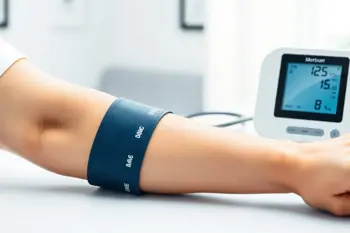
The only reliable method for identifying high blood pressure is through objective measurement using validated equipment 1, 7. A blood pressure reading consists of two distinct values recorded in millimeters of mercury (mm Hg): systolic pressure, which measures the force during a heartbeat, and diastolic pressure, which measures the force between beats 1, 3. Current clinical guidelines define normal blood pressure as less than 120/80 mm Hg, while hypertension is generally identified when readings consistently reach or exceed 130/80 mm Hg 2, 7.
| Category | Systolic (mm Hg) | Diastolic (mm Hg) |
|---|---|---|
| Normal | Less than 120 | Less than 80 |
| Elevated | 120–129 | Less than 80 |
| Stage 1 Hypertension | 130–139 | 80–89 |
| Stage 2 Hypertension | 140 or higher | 90 or higher |
A singular elevated reading is rarely used for a formal diagnosis, as blood pressure fluctuates naturally throughout the day based on physical activity and stress levels 2, 6. Instead, healthcare professionals typically evaluate multiple readings taken under standardized conditions, often recommending supplemental measurements outside of a clinical setting to confirm persistent hypertension 3, 7. Home monitoring kits, when used correctly, serve as an effective tool for tracking these trends and confirming whether a clinic-based reading accurately reflects a person's typical physiological state 5, 7.
Interpreting Physical Sensations vs. Clinical Signs
Common societal beliefs often associate specific physical sensations-such as heart racing or facial flushing-with hypertension, but these are frequently triggered by temporary adrenaline surges rather than chronic high blood pressure 6. Because the condition is often asymptomatic, the onset of tangible physical symptoms usually suggests that blood pressure has reached severe levels or is significantly uncontrolled 3, 9. In such cases, symptoms serve not as early warnings but as indicators of potential hypertensive crises or acute organ strain 8, 9.
When individuals experience a sudden, severe spike in blood pressure, they may notice specific neurological or cardiovascular markers. These include persistent, dull headaches-often centered at the back of the skull upon waking-as well as dizziness or light-headedness caused by altered blood flow to the brain 8. Other clinical indicators of extreme blood pressure elevation include blurred vision, shortness of breath, chest pain, or unexplained confusion 3, 9. These manifestations are critical alerts that demand immediate medical assessment to prevent life-threatening complications such as stroke or heart failure 5, 9.
Risk Factors and Preventive Monitoring
Certain demographic and lifestyle factors increase the probability of developing persistent hypertension, making proactive screening imperative for those with specific profiles. Known risk factors include advanced age, genetic predisposition, a family history of hypertension, obesity, diabetes, and sleep apnea 6, 9. Furthermore, lifestyle choices such as high salt intake, sedentary behavior, tobacco use, and excessive alcohol consumption contribute to the development of primary, or essential, hypertension-the most prevalent form of the condition that typically develops gradually over time 1, 6, 9.
For individuals with a documented family history or existing health conditions like diabetes, clinical guidance often shifts toward more frequent monitoring intervals 4. Regular screenings at pharmacies or through primary care providers allow for the detection of blood pressure shifts before they transition into stage 2 hypertension 5, 7. Because damage to the cardiovascular system often occurs silently, early diagnosis is the primary factor in reducing the long-term risk of severe health events such as cognitive impairment, dementia, and chronic kidney disease 3, 6.
Emergency Indicators in Special Populations
While the vast majority of hypertension cases present no symptoms, pregnancy introduces specific circumstances where rapid blood pressure elevation poses an immediate threat to both mother and fetus. During pregnancy or the postpartum period, certain symptoms serve as red flags for a hypertensive emergency, including intense headaches, sudden vision changes, upper-abdominal pain, nausea, and acute breathing difficulties 2, 9. These developments require urgent, professional medical intervention, as they may indicate conditions such as preeclampsia that require clinical management rather than simple observation 2, 9.
Healthcare providers stress that in any situation where a blood pressure reading exceeds 180/120 mm Hg, immediate follow-up is necessary. If this high reading is accompanied by any neurological symptoms, chest pain, or shortness of breath, emergency protocols-such as contacting local emergency services-must be initiated without delay 5, 9. Relying on the absence of symptoms in these critical moments can be dangerous; therefore, the presence of these indicators overrides the typical silent nature of the condition, necessitating swift, professional response 5, 9.
Summary of Clinical Recommendations
Maintaining cardiovascular health is an ongoing process that requires a combination of objective monitoring and lifestyle adjustments. Asymptomatic progression remains the hallmark of hypertension, confirming that regular, validated screenings are the only effective tool for early detection 1, 5. Because high blood pressure is manageable through a combination of dietary changes, weight management, increased physical activity, and pharmacological intervention where necessary, early identification significantly improves long-term health outcomes and prevents avoidable complications 1, 6, 9.
In conclusion, the absence of physical symptoms should never be interpreted as an indicator of health. Whether an individual feels well or experiences the subtle signs associated with severe elevation, consistent monitoring provides the objective data necessary for informed clinical decision-making. By prioritizing regular blood pressure checks, individuals can transition from a state of silent risk to one of proactive health management, effectively mitigating the dangers posed by untreated hypertension 4, 5, 7.
Sources
- Merck Manual Consumer Version: High Blood Pressure
- Centers for Disease Control and Prevention: About High Blood Pressure
- Harvard Health Publishing: High Blood Pressure (Hypertension)
- Mayo Clinic News Network: Hypertension Prevention
- Acibadem Hospitals Group: Hypertension Management
- Dartmouth Health: High Blood Pressure Overview
- UC Davis Health: Blood Pressure Basics
- National Council on Aging: 9 Subtle Symptoms
- Saint Joseph Health System: Signs and Symptoms of High Blood Pressure
Authored by MyTrendSpot team