Ways to manage gout pain at home: A clinical review of symptom relief strategies
Gout, a common form of inflammatory arthritis, manifests as sudden and intense joint pain, often occurring in the big toe, ankles, or knees 4. The condition is caused by the accumulation of uric acid crystals within the joint space, leading to significant inflammation, swelling, and redness 5. Research indicates that symptoms often reach peak intensity within 12 to 24 hours 7. Managing these flares effectively at home requires a combination of pharmacological interventions, physical rest, and supportive lifestyle modifications to reduce the duration and severity of the episode 1.
Immediate Physical Relief Techniques
Addressing the affected joint directly is a primary strategy for immediate discomfort management. Experts recommend resting the joint completely to avoid mechanical stress, as even minor pressure can intensify the pain caused by uric acid crystals 3. Elevation of the affected limb above the level of the heart is a standard technique used to decrease swelling and mitigate throbbing sensations in the joint 3. Furthermore, clinical guidance suggests that ice therapy, applied for 15 to 20 minutes several times per day using a thin protective towel, can help numb the area and provide significant anti-inflammatory benefits 3. Studies suggest these combined physical interventions may reduce pain levels by 40% to 60% within the first hour of application 9.
Pharmacological Considerations for Acute Flares
Medication serves as a cornerstone for controlling acute gout symptoms. Nonsteroidal anti-inflammatory drugs (NSAIDs), such as ibuprofen or naproxen, are frequently utilized to address inflammation and pain during the early stages of a flare 2. When initiated within the first 12 to 24 hours of symptom onset, these medications are most effective at reducing the overall duration of the attack 7. However, safety is a critical factor; individuals with existing kidney disease, heart conditions, or stomach ulcers should avoid NSAIDs and consult a healthcare provider for safer alternatives 6. It is also important to distinguish that while these drugs reduce acute symptoms, they do not lower systemic uric acid levels or prevent future occurrences 6.
Hydration and Dietary Management
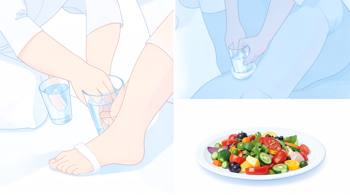
Maintaining proper hydration is a fundamental home care practice for gout. Increasing water intake helps the kidneys flush excess uric acid from the bloodstream, which may prevent further crystal accumulation within the joints 3. General health guidelines often suggest consuming 8 to 12 glasses of water daily during a flare 9. Conversely, dietary triggers must be managed to support recovery. High-purine foods, including red meats, organ meats, and specific types of seafood, contribute to increased uric acid production 4. Additionally, minimizing alcohol consumption and avoiding fructose-sweetened sodas is strongly advised to prevent further aggravating the body's inflammatory response 3.
The Timeline and Recovery Expectations
Understanding the natural history of a gout attack is essential for managing expectations during self-care. Without treatment, a flare can persist for 7 to 14 days; however, early intervention can often reduce this timeframe to 3 to 5 days 7. Patients should be aware that there is no instantaneous 10-minute cure for a gout flare, despite anecdotal claims to the contrary 1. The goal of home care is to bridge the gap between initial symptom onset and complete resolution while avoiding unnecessary joint damage caused by prolonged, untreated inflammation 2.
When to Seek Professional Medical Assessment
While home management is effective for many, certain scenarios necessitate professional medical evaluation. If a patient experiences severe symptoms such as high fever, chills, or persistent joint swelling that does not improve after several days, they should consult a physician to rule out joint infections or other complications 6. Furthermore, individuals experiencing recurrent flares occurring more than twice per year may require long-term urate-lowering therapy, such as allopurinol, to prevent chronic joint damage 7. Professional diagnostic testing can help confirm if the underlying cause is indeed uric acid-based gout rather than other conditions like calcium pyrophosphate deposition 4.
Long-term Prevention and Lifestyle Integration
The transition from acute management to long-term prevention involves consistent lifestyle adjustments. Beyond dietary vigilance, maintaining a healthy weight and monitoring medications that might increase uric acid levels are key strategies for long-term health 5. Some research has explored the use of supplemental substances, such as cherry juice or extract, noting potential benefits in reducing uric acid levels and the frequency of future attacks 10. Ultimately, the most effective approach for those prone to gout is a collaborative treatment plan established with a rheumatologist, balancing immediate relief strategies with sustainable long-term prevention protocols 2.
Sources
- Cleveland Clinic: Gout Self-Care and Home Remedies
- Arthritis Foundation: Treatments for Gout
- Pacific Arthritis Care: How to Treat Gout Fast at Home
- Arthritis Foundation: Gout: Symptoms, Diagnosis, and Treatment
- Acibadem Hospitals Group: Gout: Sudden Joint Pain and Flare Prevention
- Acibadem Hospitals Group: Over the Counter NSAIDs for Gout
- Hudson Pain and Spine: Gout Flare-Up Treatment: Fast Relief Steps
- Acibadem Hospitals Group: Gout Arthritis: Uric Acid, Flares, and Prevention
- Doctronic: How to Manage Gout at Home During a Flare
- Medical News Today: Evidence on Cherry Consumption for Gout
Authored by MyTrendSpot team