Warning signs of depression: A clinical guide to symptoms and when concern is warranted
Warning signs of depression are not limited to sadness. Clinical depression is characterized by a sad, empty, or irritable mood that is persistent or severe enough to interfere with functioning, while loss of interest and pleasure can be equally central. The pattern, duration, and effect on daily life matter more than any single difficult day. 1
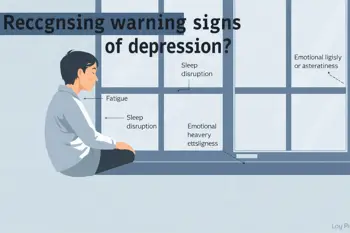
Emotional changes that may signal depression
Persistent sadness, emptiness, hopelessness, or irritability are common emotional warning signs. A person may describe feeling low most days, emotionally numb, unusually anxious, or unable to experience ordinary enjoyment. Depression differs from a short-lived reaction to disappointment because symptoms can continue for weeks or months and may spread across relationships, work, school, and routine responsibilities. 2
Loss of interest or pleasure, known as anhedonia, is another central sign. Hobbies, social activities, family contact, exercise, or other previously valued experiences may begin to feel pointless or require more effort than the person can manage. Withdrawal can therefore reflect reduced motivation and enjoyment rather than simple preference for solitude. 3
Sleep, appetite, and energy patterns
Depression often affects basic biological routines. Sleep may become difficult, fragmented, or shorter than usual, or a person may sleep substantially more and still feel unrefreshed. Changes in appetite can move in either direction, producing noticeable weight loss or gain that is not intentional. These changes are more concerning when they occur alongside low mood or reduced interest. 4
Fatigue and reduced energy can make ordinary tasks feel unusually demanding. Someone may move through the day slowly, postpone hygiene or household duties, or report that physical effort requires disproportionate exertion. Significant changes in weight or appetite and ongoing tiredness can also have medical causes, so a clinical assessment should consider physical health, medication, and substance-related explanations rather than assuming depression. 14
Thinking, concentration, and self-evaluation
Difficulty concentrating, remembering details, or making decisions is frequently reported during depressive episodes. Cognitive slowing may appear as trouble following conversations, completing familiar work, organizing tasks, or choosing between simple options. These problems can be mistaken for carelessness, but they may represent a change from the person’s usual functioning, especially when they occur with sleep disruption, exhaustion, or loss of interest. 11
Depression can also alter self-evaluation. Excessive guilt, shame, low self-worth, and beliefs about being useless or a burden are clinically important cognitive signs. Hopelessness about the future may make ordinary setbacks seem permanent. Such thoughts are not proof of a diagnosis by themselves, but persistent negative beliefs that cause distress or impair functioning warrant discussion with a qualified clinician. 2
Physical and observable behavioral signs
Some people primarily report physical complaints, including headaches, cramps, digestive problems, or other persistent ailments that do not improve as expected with standard treatment. Depression can coexist with genuine medical illness, and physical symptoms should not be dismissed as imaginary. The relevant warning pattern is unexplained or ongoing discomfort occurring with emotional, cognitive, sleep, appetite, or energy changes. 6
Observable movement and speech can change as well. Psychomotor retardation involves noticeably slowed movement or speech, while psychomotor agitation may appear as restlessness, pacing, fidgeting, or an inability to settle. Irritability and anger may be especially prominent in some men, while children and adolescents may show irritability rather than openly describing sadness. 9 10
Duration, impairment, and clinical context
Major depressive episodes are assessed as a pattern rather than a checklist of isolated symptoms. The commonly used clinical framework requires at least five symptoms during the same two-week period, including depressed mood or loss of interest, with clinically significant distress or impairment. Symptoms also must not be better explained by a substance, medication, medical condition, or another disorder. 7
Functioning provides important context. Warning signs may include declining work or school performance, reduced social contact, difficulty maintaining routines, or inability to complete responsibilities that were previously manageable. Grief and demoralization can involve low mood, but they may come in waves linked to reminders and may include periods of positive emotion. Stress and grief can still precipitate a depressive episode, so the distinction requires careful assessment. 1
How signs can appear in different age groups
Depressive disorders can develop at any age, although they commonly emerge during the mid-teens, twenties, or thirties. In children and adolescents, irritability, falling functioning, social withdrawal, persistent sadness, or changes in sleep and appetite may be more visible than a direct statement of depressed mood. Diagnosis remains clinical and considers severity, persistence, distress, and impact on development or daily activities. 1 5
Older adults may have symptoms that are subtle or wrongly attributed to normal aging. Warning signs include sustained sadness or despair, loss of interest in hobbies and social contact, low motivation, low self-esteem, sleep difficulty, and expressions of shame or feeling useless. A change from the person’s established routine is particularly informative, because aging alone does not explain persistent hopelessness or loss of pleasure. 3
Suicidal thoughts and appropriate response
Thoughts about death, suicide, or self-harm are critical warning signs, particularly when they are recurrent, accompanied by hopelessness, or linked to a plan or intent. A person expressing these thoughts should not be left to manage the situation alone. Immediate danger, a suicide attempt, or an imminent plan requires emergency assistance through local emergency services. 12
In the United States, DepressionResource advises calling or texting 988 for thoughts of self-harm or suicide and calling 911 for an emergency. Treatment decisions depend on severity, duration, medical history, and preferences. Merck Manual identifies antidepressant medication, psychotherapy, or both as usual treatments, with ECT or rapid transcranial magnetic stimulation used in some circumstances. 6 1
What an evaluation can clarify
A professional evaluation helps determine whether the symptoms fit major depressive disorder, persistent depressive disorder, another depressive disorder, substance- or medication-induced depression, or depression related to a medical condition. It also evaluates bipolar-spectrum symptoms and safety concerns, because treatment and risk assessment depend on the broader clinical picture rather than on one symptom. 1
Screening questions commonly cover mood, interest, sleep, guilt, energy, concentration, appetite, psychomotor changes, and suicidality. The SIGECAPS mnemonic organizes these areas, while depressed mood and loss of interest are assessed as gateway symptoms. A persistent cluster that interferes with life deserves professional attention, even when the person continues attending work, school, or family obligations. 4
Sources
- Merck Manual Professional Edition, Depressive Disorders: https://www.merckmanuals.com/professional/psychiatric-disorders/mood-disorders/depressive-disorders
- Nursing in Practice, Depression: Key Points Nurses Need to Know: https://www.nursinginpractice.com/clinical/mental-health-and-addiction/depression-key-points-for-nurses/
- Oak Street Health, Warning Signs of Depression in Older Adults: https://www.oakstreethealth.com/12-warning-signs-of-depression-in-older-adults-how-to-find-help-2460496
- Behave Health, SIGECAPS Mnemonic: https://behavehealth.com/blog/sigecaps-depression-mnemonic-guide
- Mayo Clinic, Depression Symptoms and Causes: https://www.mayoclinic.org/diseases-conditions/depression/symptoms-causes/syc-20356007
- National Institute of Mental Health, Depression: https://www.nimh.nih.gov/health/topics/depression
- American Psychiatric Association, What Is Depression?: https://www.psychiatry.org/patients-families/depression/what-is-depression
- WebMD, Detecting Depression: https://www.webmd.com/depression/guide/detecting-depression
- Healthline, Recognizing Symptoms of Depression: https://www.healthline.com/health/depression/recognizing-symptoms
- Cleveland Clinic, Depression: https://my.clevelandclinic.org/health/diseases/9290-depression
- HelpGuide, Depression Signs and Symptoms: https://www.helpguide.org/mental-health/depression/depression-signs-and-symptoms
- Medical News Today, Depression: https://www.medicalnewstoday.com/articles/8933
- Psychology Today, Depression: https://www.psychologytoday.com/us/basics/depression
- Johns Hopkins Medicine, Major Depressive Disorder: https://www.hopkinsmedicine.org/health/conditions-and-diseases/major-depressive-disorder
Authored by MyTrendSpot team