Scenic Alaska cruises departing from US ports: An Analysis of Modern Itineraries, Port Choices, and Coastline Highlights
A rising interest in scenic Alaska cruises departing from US ports has driven extensive development in maritime travel options across the West Coast. These ocean voyages provide travelers with direct access to the dramatic coastlines, pristine marine ecosystems, and massive glaciated landscapes of the Pacific Northwest and Southeast Alaska 1.
Primary Homeports: Seattle as the Leading Gateway
Seattle has established itself as the premier departure point for travelers planning to explore the Alaskan wilderness. Most itineraries operating out of this Pacific Northwest hub run on standard seven-night round-trip schedules, making them highly accessible for travelers with limited vacation windows 1. Vessels embarking from Seattle typically travel north through the Inside Passage, a complex network of waterways bordered by dense forests and rugged coastlines 1.
The primary ports of call on these round-trip routes include historical frontier towns such as Juneau, Skagway, and Ketchikan, each offering distinct opportunities to study local cultural history 1. Seattle-based voyages provide passengers with access to key glacier viewing locations, depending on the specific cruise line and path chosen 1. Major operators, including Princess Cruises, Holland America Line, Norwegian Cruise Line, and Royal Caribbean, deploy some of their most modern vessels to Seattle due to the high volume of passenger traffic and the port's advanced infrastructure 1.
Alternative West Coast Terminals: San Francisco and Los Angeles
While Seattle remains the most active gateway, other major cities along the US West Coast offer valuable alternatives for travelers seeking longer voyages. San Francisco serves as a prominent homeport, primarily offering extended itineraries that typically range from 10 to 11 nights round-trip 2. This extra duration allows ships to cover the significant geographic distance between Northern California and Southeast Alaska, resulting in more relaxed days at sea 2.
Sailing out of San Francisco provides a scenic departure beneath the Golden Gate Bridge before navigating toward key destination ports such as Ketchikan, Juneau, and Skagway 2. Cruise lines operating round-trip sailings from this terminal include Princess Cruises and Carnival Cruise Line 2. Additionally, operators such as Princess Cruises have expanded their West Coast capacity by utilizing Los Angeles as a departure port, offering longer-duration Inside Passage voyages that appeal to travelers seeking extensive ocean travel alongside their scenic exploration of the North 3.
Gulf of Alaska Gateways: Whittier and Juneau Embarkations
For travelers seeking to venture deeper into the interior of the 49th state, one-way itineraries departing from or arriving in Alaskan ports provide an alternative structure. Whittier, located on the Passage Canal, serves as a crucial northern terminal for Voyage of the Glaciers itineraries, which sail between Whittier and Vancouver 3. These routes are designed to offer dual glacier-viewing experiences and are frequently combined with land-based cruisetours that journey into Denali National Park 4 3.
Juneau, the state capital, also acts as an embarkation point, particularly for specialized small-ship operations. For instance, the American Constellation offers nine-day coastal wilderness itineraries that begin directly in Juneau 5. This localized starting point allows smaller vessels to navigate narrow channels and get closer to the shoreline, offering passengers unique viewing angles of local wildlife and glaciers that larger vessels cannot safely access 5.
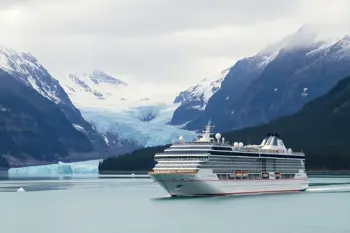
Scenic Cruising Highlights: Glacier Bay, Hubbard, and Endicott Arm
The primary draw of an Alaskan voyage is the opportunity to witness active tidewater glaciers and pristine fjords from the water. Glacier Bay National Park and Preserve is considered a premier highlight, featuring snow-capped mountain ranges rising to over 15,000 feet, deep fjords, and massive active glaciers 6. Due to environmental preservation guidelines, the National Park Service strictly limits the number of vessel permits issued for Glacier Bay 4. Holland America Line and Princess Cruises hold a significant portion of these permits, allowing their passengers privileged access to these restricted waters 4 3.
For itineraries that do not enter Glacier Bay, alternative scenic routes include Hubbard Glacier and Endicott Arm 7 3. Cruising through Endicott Arm, a narrow fjord located southeast of Juneau, leads passengers to the face of Dawes Glacier 8. This deep, glacier-carved valley is protected within the Tongass National Forest and serves as a reliable habitat for harbor seals, bald eagles, and other native wildlife 8.
Comparing Major Operators and Vessel Classes
The diverse range of cruise lines operating from US ports allows travelers to align their choice with specific preferences, ranging from family-oriented activity platforms to premium, educational voyages. The following table highlights the primary options and distinguishing characteristics of major lines operating these routes:
| Cruise Line | Primary Itinerary Types | Key Characteristics |
|---|---|---|
| Holland America Line | 7 to 28-day itineraries 4 | Strong local educational programs 4 |
| Princess Cruises | 7 to 11-day round-trips 3 | Extensive wilderness lodge network 3 |
| Norwegian Cruise Line | 7 to 10-day round-trips 7 | Large activity-focused ships 7 6 |
| Virgin Voyages | 7-night round-trips 9 | Adults-only atmosphere 9 |
Regulatory and Operational Frameworks: PVSA Compliance and Seasonality
Executing cruise travel to Alaska involves navigating specific maritime regulations and environmental limitations. Under the Passenger Vessel Services Act (PVSA), foreign-flagged cruise ships departing from a US port must include a foreign port of call on their itineraries before returning to the United States. To comply with this law, round-trip itineraries sailing out of Seattle or San Francisco typically include a scheduled stop in Victoria, British Columbia, or Prince Rupert, Canada 2 9 6.
Furthermore, the Alaskan cruise market is highly seasonal due to the extreme winter weather in the subarctic region. The active sailing season is concentrated between late April and early October, with the peak period occurring in July and August. Early and late season voyages, often referred to as shoulder seasons, typically present more variable weather conditions, with lower temperatures and increased rainfall, but they also offer unique scenery as snow lines shift along the mountain peaks.
Sources
- AlaskaCruises.com
- The Better Vacation
- Seatrade Cruise
- Holland America Line
- USA River Cruises
- Non-Stop Travel
- Norwegian Cruise Line
- AdventureTripr
- Global Journeys
Authored by MyTrendSpot team