Common symptoms of dehydration in adults: A medical analysis of physiological indicators
Dehydration represents a critical imbalance where the body loses more water than it consumes, disrupting essential metabolic processes and organ function 1. Understanding the spectrum of these symptoms is vital, as dehydration can progress from a mild state of discomfort to a life-threatening medical emergency 2. Recognizing early physiological markers allows for timely intervention before internal systems experience significant stress 3.
Early Indicators and Mild Symptoms
Initial signs of dehydration often manifest as subtle changes that can be easily overlooked in daily routines. The brain's thirst center serves as a primary, though sometimes delayed, indicator of water deficiency 3. Common early manifestations include a persistent feeling of thirst, a dry or sticky mouth, and a noticeable reduction in the frequency of urination 2. Many individuals also report experiencing a mild headache or a sense of generalized fatigue, which often intensifies if fluid intake remains inadequate 3.
Urine color serves as a practical, real-time indicator of hydration status for many adults 4. While pale or straw-colored urine generally suggests adequate hydration, a shift toward a dark yellow or amber hue often signals that the body requires additional fluids 2. It is important to note that urine color can occasionally be influenced by dietary factors, supplements, or specific medications, but it remains a foundational metric for assessing hydration levels in conjunction with other physical symptoms 6.
Moderate Dehydration and Physical Performance
As the deficit in total body water increases, typically in the range of 5% to 8% of body water loss, more distinct physical symptoms emerge 9. Individuals may begin to notice decreased skin elasticity, often tested by clinicians through skin turgor assessments where the skin does not immediately return to its normal position after being pinched 2. Additionally, muscle cramps may occur as electrolyte levels, including sodium and potassium, become unbalanced within the bloodstream 1. Other common presentations include dizziness, lightheadedness, and skin that feels dry and cool to the touch 2.
Severe Dehydration and Emergency Symptoms
Severe dehydration is categorized as a medical emergency that demands prompt evaluation and potential clinical intervention 2. When body water loss exceeds 10%, individuals often experience significant mental and physical deterioration 9. Clinical presentations at this stage may include confusion, irritability, or even delirium, accompanied by rapid breathing and an accelerated heart rate as the body attempts to maintain blood pressure and organ perfusion 2. In cases of extreme volume depletion, a patient may exhibit sunken eyes or cheeks and may cease urine production entirely 7.
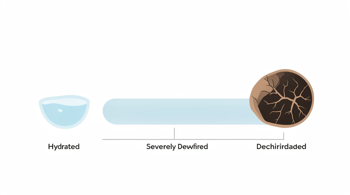
| Symptom Severity | Key Indicators |
|---|---|
| Mild | Thirst, dry mouth, dark urine, mild fatigue |
| Moderate | Muscle cramps, headache, dizziness, poor skin turgor |
| Severe | Confusion, rapid heart rate, fainting, no urine output |
Physiological Risk Factors and Vulnerable Populations
Certain demographic and health-related factors increase the risk of experiencing significant dehydration. Older adults are particularly susceptible because the sensation of thirst often diminishes with age, meaning the signal to consume fluids may not occur until a significant deficit exists 1. Furthermore, individuals managing chronic health conditions such as diabetes mellitus, which can increase urine excretion, face higher risks of volume depletion 2. Exposure to excessive heat or engaging in prolonged physical exertion without adequate fluid replacement are environmental triggers that accelerate water loss through perspiration 1.
Clinical Assessment and Diagnostic Metrics
Healthcare providers utilize specific clinical examinations to determine the extent of dehydration. Beyond a physical assessment of skin turgor and pulse, doctors may monitor for orthostatic hypotension, where blood pressure drops significantly when a patient transitions from a lying to a standing position 2. Blood tests are frequently ordered to evaluate kidney function and electrolyte concentrations, ensuring that the body is retaining the necessary balance of sodium and minerals 2. These diagnostics are crucial for deciding whether oral rehydration or intravenous fluid therapy is required for stabilization 1.
Prevention and Maintaining Balance
Maintaining proper hydration involves more than just reacting to thirst; it requires consistent monitoring of fluid needs based on climate, activity level, and health status 6. While average daily requirements for fluids are often cited-approximately 3.7 liters for men and 2.7 liters for women-these numbers vary significantly based on individual circumstances 4. Incorporating water-rich foods, such as melons, cucumbers, and tomatoes, can supplement fluid intake, though these do not replace the necessity of hydration through beverages 4. Consistently monitoring urine output and color remains one of the most reliable habits for long-term health and prevention of chronic complications, such as kidney stones or urinary tract infections 4.
Sources
- MSD Manual: Dehydration
- Penn Medicine: Dehydration Conditions
- Solv Health: Signs of Dehydration in Adults
- American Heart Association: Hydration Tips
- Merck Manual Professional: Volume Depletion
- Live Healthy Live Well OSU: Smart Hydration
- NIDDK: Symptoms & Causes of Viral Gastroenteritis
- NIDDK: Symptoms & Causes of Food Poisoning
- Wikipedia: Dehydration
Authored by MyTrendSpot team