Early symptoms of heart disease you should know: A clinical overview of cardiovascular warning signs
Heart disease frequently develops gradually, often allowing subtle physiological shifts to go unnoticed until a major medical event occurs 1. While public awareness often focuses on dramatic symptoms like sudden, intense chest pain, clinical data indicates that the body often transmits warning signals long before a serious cardiovascular event 1. Recognizing these early symptoms and distinguishing them from minor ailments is a critical component of cardiovascular health management 7.
The Nature of Cardiovascular Symptoms
Heart disease encompasses a broad category of conditions, including coronary artery disease (CAD), where plaque buildup restricts blood flow to the heart muscle 4, 8. When the heart struggles to meet the body's oxygen demands, it may manifest discomfort in ways that are easily mistaken for indigestion, stress, or age-related fatigue 1, 7. Because many individuals dismiss these sensations, understanding that heart disease can be a progressive, quiet condition is the first step toward effective observation 4.
Clinical observation suggests that symptoms triggered by physical exertion and relieved by rest require professional evaluation 2. Factors such as high cholesterol, hypertension, diabetes, tobacco use, and a sedentary lifestyle further elevate the necessity of monitoring these subtle red flags 2. When these symptoms appear without an obvious external cause, they warrant a consultation with a healthcare provider to assess heart function and structural integrity 2.
Chest Discomfort and Radiating Pain
While classic chest pain remains a primary diagnostic indicator, it is not always the defining sensation of cardiac distress 2. Many patients describe an atypical discomfort, characterized more by a sense of heaviness, squeezing, or persistent tightness than by sharp pain 1, 9. This discomfort can come and go, potentially lasting for several minutes and leaving the individual to incorrectly assume it is related to heartburn or muscular strain 1, 5.
Pain or discomfort can also manifest outside the chest, frequently radiating into the shoulders, arms, neck, jaw, or upper back 1, 2. Jaw pain or the sensation of a toothache, specifically, can occur due to reduced blood flow to the heart muscle 5. Women, in particular, may be more likely to experience jaw pain or atypical sensations as a warning sign of cardiac issues, making it essential to evaluate any persistent or worsening pain in these areas alongside other systemic symptoms 5.
Respiratory Shifts and Breathlessness
Shortness of breath, or dyspnea, represents a significant indicator that the heart may be struggling to maintain adequate circulation 1. When the heart’s pumping efficiency declines, fluid can accumulate in the lungs, leading to difficulty breathing during routine activities that previously required little effort 5, 9. This symptom is often incorrectly attributed to aging or being physically out of shape, which can lead to unnecessary delays in receiving medical care 1, 6.
In instances of early heart failure, shortness of breath may be particularly noticeable when lying down, sometimes requiring the use of additional pillows to facilitate sleep 9. Furthermore, a persistent cough, sometimes accompanied by the production of white or blood-tinged phlegm, can occur due to fluid backup in the lungs 5. Any sudden inability to manage daily physical exertion or breathing difficulties that manifest while reclining should be treated as a priority for clinical assessment 9.
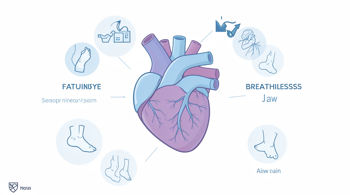
Fatigue and Systemic Indicators
Extreme or unusual fatigue is a frequently overlooked, yet vital, indicator of cardiovascular stress 1, 2. While fatigue is common to many conditions, a profound, persistent exhaustion that does not resolve with rest can indicate that the heart is failing to pump sufficient oxygen-rich blood to meet the body's energy requirements 2, 6. This sensation is often reported more frequently by women and may feel qualitatively different from standard tiredness 1, 10.
Additionally, symptoms such as unexplained nausea, lightheadedness, or dizziness can indicate that the heart is having difficulty maintaining consistent blood pressure or a steady electrical rhythm 5, 9. These sensations, even if fleeting, might point to underlying rhythm disturbances or circulatory faults 9. Recognizing that these symptoms can occur in isolation or in combination with other signs is critical for early identification of potential cardiovascular issues 5.
Managing Peripheral Symptoms
Cardiovascular health is deeply connected to systemic circulation, meaning signs of distress can appear in the extremities 4. Swelling in the legs, ankles, or feet, known as edema, is a common clinical sign of congestive heart failure, resulting from the heart's inability to pump blood efficiently, causing fluid to pool in the veins 7, 10. Furthermore, weakness or numbness in the legs and arms may signal peripheral artery disease, where narrowed vessels restrict blood flow to the limbs 4, 10.
| Symptom Category | Potential Indicator |
|---|---|
| Cardiac Rhythm | Palpitations, fluttering, dizziness, or fainting 5, 10 |
| Fluid Accumulation | Edema in ankles or legs; persistent cough 5, 10 |
| Extremities | Numbness or weakness (suggesting peripheral vessel issues) 10 |
| Metabolic | Nausea, indigestion-like pain, or unexplained exhaustion 1, 5 |
Preventative Perspective and Risk Factors
The progression of heart disease is often influenced by a combination of genetics, lifestyle, and existing medical conditions 4. Understanding the anatomy of the cardiovascular system-including the heart as the primary pump and the network of arteries and veins-highlights why blockages in any part of this system can affect total body health 4. Because plaque buildup can occur over many years, early detection allows for a broader range of interventions, including lifestyle modifications, pharmacological management, or medical procedures, before damage becomes significant or irreversible 7.
Risk factors including high blood pressure, diabetes, and a history of heart disease should prompt individuals to be more vigilant regarding early warning signs 2. It is important to emphasize that even if an individual has no family history of heart issues, the symptoms described above remain relevant for all adults 4. Maintaining regular contact with healthcare providers for routine screenings is the most effective way to address potential cardiovascular risks before they escalate into acute events 7.
Sources
- NIHD: Early Signs of Heart Disease You Shouldn’t Ignore (2026)
- Harvard Health: 5 overlooked symptoms that may signal heart trouble (2026)
- NYU Langone: Five Heart Disease Symptoms You Should Never Ignore (2026)
- Ochsner Health: Do I Have Heart Disease? 5 Signs to Know About (2026)
- Heart Foundation: Seven surprising symptoms of heart disease (2022)
- Cleveland Clinic: Warning Signs of a Heart Attack (2026)
- Manipal Hospitals: 7 Early Signs of Heart Disease Every Adult Should Know (2026)
- Harvard Health: Coronary Artery Disease A to Z (2026)
- St. Vincent’s Medical Center: 7 Heart Disease Symptoms You Shouldn’t Ignore (2026)
- General Clinical Research Data: Cardiovascular Symptom Analysis (2026)
Authored by MyTrendSpot team