Best hospitals for Neuro-Oncology: An analytical overview of clinical standards and institutional expertise
When individuals search for the best hospitals for neuro-oncology, they are often seeking facilities that provide a synthesis of advanced surgical expertise, innovative clinical research, and a multidisciplinary team approach to managing brain and central nervous system tumors 1, 3. The selection of a neuro-oncology center involves evaluating institutional rankings, the availability of specialized diagnostics like molecular genetic testing, and the integration of diverse specialties, ranging from neuropathology to radiation oncology 2. This article examines the standards that define top-tier neurological care, focusing on how leading institutions manage complex patient cases while navigating the intersection of clinical practice and research innovation.
Institutional Excellence and Multidisciplinary Care Standards
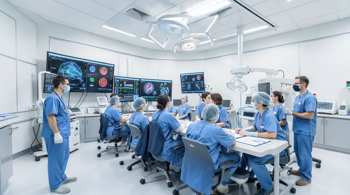
The foremost characteristic of elite neuro-oncology centers is the reliance on a multidisciplinary care team, where neurosurgeons, neuro-oncologists, neuroradiologists, and rehabilitation specialists collaborate on unified treatment plans 2, 6. Institutions such as the Mayo Clinic emphasize that this consolidated expertise reduces the time required to determine treatment pathways, often shortening the process from months to mere days 2. By concentrating various subspecialties in a single environment, hospitals can conduct comprehensive reviews of complex cases, ensuring that patients receive opinions from a spectrum of experts rather than a single provider 2. This collaborative framework is essential for handling both benign and malignant central nervous system tumors, as it facilitates rapid access to diagnostic tests and surgical coordination 2, 5.
Surgical Precision and Minimally Invasive Techniques
Modern neuro-oncology is increasingly defined by the adoption of minimally invasive surgical techniques that aim to reduce recovery times, hospital stays, and overall mortality rates 1, 14. For example, Mayo Clinic reports that its 30-day mortality rate for brain tumor surgery is approximately 0.3%, significantly lower than the national average range of 1% to 4% 1. Other institutions, such as the GW Hospital Neuro-Oncology Center, leverage intraoperative monitoring technology to detect neurological changes in real time, allowing surgeons to adjust procedures mid-operation to avoid complications 7. Such technological integration is a hallmark of high-performing hospitals, where the objective is to maximize tumor resection while preserving critical neural functions and patient quality of life 3, 9.
Molecular Classification and Precision Medicine
The integration of molecular genetic tools has transformed the classification and treatment of gliomas and other primary brain tumors 2. High-level centers, including the Cleveland Clinic, emphasize genomic profiling to personalize treatment plans based on a tumor's specific molecular makeup, which can significantly influence prognostic assessments 13. This shift toward molecular-based diagnostics allows providers at centers like the Sylvester Comprehensive Cancer Center to utilize DNA and RNA sequencing to target drug development more effectively 9. Patients are increasingly encouraged to consider centers that treat genomic evaluation as a standard of care, as this information is essential for identifying potential candidates for immune-modulated therapies and targeted clinical trials 2, 9.
National Leaders and Regional Impact
Institutional reputation is often evaluated by national organizations such as U.S. News & World Report, which ranks hospitals based on safety, staffing ratios, and specialized expertise 4. For instance, NYU Langone Health has been recognized for its advanced intraoperative MRI suites and AI-assisted tumor diagnostics, while UCSF Medical Center is noted for its leadership in glioma surgery and awake craniotomy techniques 4. Other entities, such as the Tampa General Hospital Neurological Cancer Center, maintain partnerships with regional medical schools to provide state-of-the-art care and access to extensive clinical trials 6. These hospitals function as regional hubs, drawing on institutional resources to serve patients who require high-level, effective management of neurological cancer 3, 6.
| Institution | Key Focus Area | Technology/Innovation |
|---|---|---|
| Mayo Clinic | Multidisciplinary integration | 3D surgical planning |
| UCSF Health | Glioma research | Awake craniotomy |
| Johns Hopkins | Complex intracranial tumors | Robotic surgery/Imaging |
| NYU Langone | AI-assisted diagnostics | Intraoperative MRI |
| Tampa General | Collaborative neurological care | Tumor board oversight |
The Role of Clinical Trials and Innovation
A significant indicator of a high-tier neuro-oncology center is its commitment to clinical trial development, which provides patients with access to experimental treatments like immunotherapy and polio virus therapy 8, 9. Leading centers, such as those at Duke Health and the Dana-Farber/Brigham and Women’s Cancer Center, prioritize these trials as a core component of their neuro-oncological care strategy 12, 14. These research-heavy environments ensure that patients have access to the latest breakthroughs in oncology. However, patients should note that research eligibility criteria vary by institution, and the decision to participate in a trial requires careful consultation with the specialized neuro-oncology team regarding risks and anticipated benefits 6, 9.
Navigating the Decision-Making Process
While hospital rankings provide an institutional snapshot, clinical outcomes are often heavily dependent on the individual experience of the surgeon and the specific composition of the patient's care team 4. Patients evaluating options should look beyond aggregate scores to consider factors such as the specific volume of similar cases handled by the department and the availability of support systems like neurological nurse practitioners 7. Effective communication between the patient and the care team is essential for navigating the complexities of post-treatment follow-up and longitudinal care 7. Recognizing the importance of a 360-degree view, including the availability of support groups, rehabilitation services, and ongoing monitoring, is vital for ensuring long-term recovery and sustained quality of life after a neuro-oncological diagnosis 2, 7.
Sources
- Mayo Clinic: Brain Tumor Program - Expertise and rankings
- Mayo Clinic: Brain tumor - Care at Mayo Clinic
- Rush University Medical Center: Brain Tumor Care - Diagnosis & Treatment Options
- Aaron Cohen-Gadol, MD: Best Hospitals for Brain Surgery in the United States
- NYU Langone Health: Neurology and Neurosurgery Rankings
- Tampa General Hospital: Neurological Cancer Center
- GW Hospital: Neuro-Oncology Brain Tumor Center
- Johns Hopkins Medicine: Chetan Bettegowda, MD, PhD Provider Profile
- University of Miami Health System: Ricardo Jorge Komotar, MD Provider Profile
- UCI Health: Comprehensive Brain Tumor Program
- U.S. News & World Report: Best Hospitals for Cancer
- Memorial Sloan Kettering Cancer Center: Brain Tumor Care
- Cleveland Clinic: Brain Tumor and Neuro-Oncology Center
- Massachusetts General Hospital: Brain Tumor Center
Authored by MyTrendSpot team