Warning signs of ALS: A clinical overview of progressive motor neuron degeneration
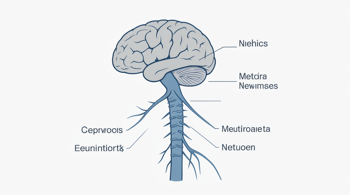
Amyotrophic lateral sclerosis (ALS), frequently referred to as Lou Gehrig disease, is a progressive neurodegenerative condition characterized by the gradual deterioration of motor neurons located in the brain and spinal cord 1, 2. These specialized nerve cells are responsible for transmitting signals to voluntary muscles, facilitating essential movements such as walking, speaking, swallowing, and breathing 6, 8. As these neurons wither, the skeletal muscles they control lose function, leading to atrophy and progressive weakness 1, 9. While the underlying cause remains largely unknown in the majority of cases, approximately 15% of occurrences are linked to inherited genetic mutations, most notably in the SOD1 gene 5.
Initial Manifestations and Symptom Presentation
Early symptoms of ALS are frequently subtle, often leading to delayed recognition as they may be initially attributed to age-related changes or other less severe neurological issues 3, 8. The clinical hallmark of the condition is the presence of painless, progressive muscle weakness that typically originates in a localized body area before spreading to other regions 3, 7. Because symptom onset is rarely uniform across the patient population, medical professionals categorize the initial presentation into two primary clinical phenotypes based on the site of origin 7.
| Symptom Category | Prevalence | Clinical Characteristics |
|---|---|---|
| Limb-Onset | 65%–75% | Weakness in arms, legs, hands, or feet; difficulty with fine motor tasks. |
| Bulbar-Onset | 25%–35% | Weakness affecting head, neck, speech, and swallowing muscles. |
Limb-Onset Clinical Indicators
In approximately two-thirds of cases, ALS manifests initially in the extremities 3. Patients may report an inexplicable loss of hand dexterity, which impacts the ability to perform fine motor tasks such as buttoning a shirt or writing 3. Walking patterns may also be altered, characterized by frequent tripping, the dragging of a foot, or general clumsiness 3, 7. These physical limitations arise as nerve cells gradually lose the capacity to stimulate skeletal muscle, causing the muscles to waste away, or atrophy, over time 1, 5.
Alongside weakness, individuals often experience involuntary muscle phenomena. These include fasciculations, which are visible muscle twitching, as well as frequent cramping and increased muscle stiffness 3, 5. Unlike many other neuropathies, the sensory nervous system remains relatively intact, meaning that sensations such as touch, temperature, and pain are typically preserved 6, 11. The absence of significant numbness or sensory loss often serves as a differential marker when clinicians evaluate a patient for potential motor neuron disease 6.
Bulbar-Onset and Respiratory Implications
When the disease originates in the bulbar region, the lower face muscles responsible for speech and swallowing are primarily affected 3. Common warning signs in this cohort include slurred or strained speech, persistent hoarseness, and difficulty managing saliva, which may present as drooling 3. Swallowing impairment, or dysphagia, often manifests as a tendency to choke on liquids or solid foods 3, 7. In some instances, patients may also exhibit emotional lability, characterized by episodes of uncontrollable laughing or crying that are incongruent with their actual emotional state 3, 5.
While less common as a primary onset point, respiratory symptoms represent a critical progression in ALS 3. As the muscles required for breathing weaken, patients may report shortness of breath, particularly when lying in a flat position 12. Additional systemic indicators of respiratory muscle fatigue include poor sleep quality, daytime somnolence, and the presence of morning headaches, which may suggest insufficient oxygen intake or carbon dioxide retention 12.
Diagnostic Considerations and Clinical Evaluation
The complexity of ALS necessitates a formal, multi-faceted neurological evaluation, as many clinical conditions can mimic its early symptoms 7, 8. Diagnosis is never confirmed through a single test; rather, it is a process of exclusion supported by evidence from electromyography (EMG), which measures electrical activity in muscles, and nerve conduction studies, which assess the integrity of peripheral nerves 1, 5. Magnetic resonance imaging (MRI) and blood work are additionally utilized to rule out other spinal or systemic disorders that could account for the observed motor deficits 1, 5.
The role of multidisciplinary care is central to managing the progression of the disease 6, 10. While there is currently no cure, modern management involves a team of specialists including neurologists, rehabilitation therapists, speech-language pathologists, and respiratory experts to support remaining physical function 1, 6. Early identification remains vital for planning supportive care, including nutrition management, physical therapy, and the implementation of assistive technologies that may preserve independence for as long as possible 6, 7.
Cognitive and Behavioral Variations
While ALS is primarily a disease of the motor system, it is recognized as a complex, multi-system disorder 4. Research indicates that some individuals may experience cognitive and behavioral shifts alongside motor decline 6. These changes can manifest as alterations in personality, language processing, or executive decision-making capabilities 6. However, it remains a consistent clinical observation that many individuals with ALS maintain their capacity for clear thought, reasoning, and memory, even as their physical independence declines 2, 6.
Understanding the distinction between motor and cognitive symptoms is crucial for both families and healthcare providers. The variability of disease progression-which can differ significantly among individuals-requires that clinical teams remain vigilant for both physical and behavioral markers 7. Ongoing research continues to investigate the underlying biology of these symptoms, with the aim of refining prognostic accuracy and developing targeted interventions that focus on improving the quality of life for those living with the condition 4.
Sources
- MSD Manual: Amyotrophic Lateral Sclerosis (ALS) and Other Motor Neuron Diseases
- Harvard Health: Amyotrophic Lateral Sclerosis (ALS)
- Augie's Quest: Early ALS Symptoms
- NewYork-Presbyterian: What is ALS? A Neurologist Explains
- Merck Manual Professional: ALS and Other Motor Neuron Diseases
- Acibadem Hospitals Group: ALS Early Signs and Supportive Care
- ALS News Today: Symptoms of ALS
- Newcity Hospital: ALS Warning Signs and When to See a Neurologist
- UChicago Medicine AdventHealth: ALS Deep Dive
- MND Association: Symptoms of Motor Neurone Disease
- National Institute of Neurological Disorders and Stroke: ALS Information
- Mayo Clinic: Symptoms and Causes of ALS
Authored by MyTrendSpot team