Warning signs of endometriosis: An analytical review of clinical symptoms and diagnostic challenges
Understanding the Nature of Endometriosis
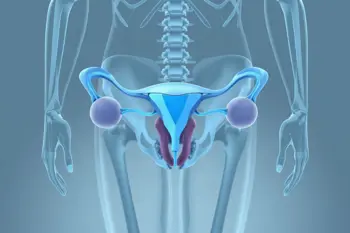
Endometriosis is a complex, chronic inflammatory condition characterized by the presence of tissue resembling the uterine lining, known as the endometrium, growing outside the uterine cavity 2, 3. This misplaced tissue often implants on the pelvic organs, such as the ovaries, broad ligaments, and uterosacral ligaments, though it can migrate to more distant areas like the bowels, bladder, or, in rare instances, the chest cavity 2, 5. Because this tissue responds to hormonal signals, it thickens, breaks down, and bleeds during each menstrual cycle 7, 8. Unlike normal menstrual blood, this internal bleeding has no pathway to exit the body, leading to inflammation, the formation of scar tissue, and the potential adhesion of pelvic organs 7, 9. Estimates suggest that approximately 10% of reproductive-age individuals worldwide are affected by this condition 3, 7.
The Spectrum of Pelvic Pain and Menstrual Symptoms
The primary clinical manifestation of endometriosis is pelvic pain, which often reaches its peak intensity during menstruation 1, 6. Many patients report severe dysmenorrhea, or painful periods, that may begin prior to the onset of bleeding and persist for several days 1, 8. A 2015 study focusing on adolescents indicated that 64% of those with endometriosis experienced these painful cycles 1. Beyond standard cramping, this pain is frequently described as a stabbing or intense aching sensation that significantly impacts quality of life, frequently leading individuals to miss work or daily activities 5, 8, 9.
Cyclical and Non-Cyclical Symptom Patterns
While menstrual-related pain is a hallmark, symptoms are not always strictly limited to the duration of the period 8. Many patients report chronic pelvic pain that persists even after the menstrual cycle concludes 3. Furthermore, symptoms may fluctuate based on the specific location of the endometrial lesions and the degree of nerve involvement 1, 2. Some individuals may experience pain during ovulation, between menstrual cycles, or in a constant, non-cyclical manner, which complicates the process of identifying the condition 1, 8.
| Symptom Category | Common Clinical Indicators |
|---|---|
| Menstrual | Severe cramps, heavy bleeding, irregular cycles |
| Physical Discomfort | Deep pain during or after sexual intercourse |
| Excretory | Painful bowel movements (dyschezia) or urination (dysuria) |
| Systemic | Fatigue, nausea, severe bloating |
Gastrointestinal and Urinary Manifestations
Endometriosis frequently impacts bodily functions beyond the reproductive system, specifically targeting the bowel and bladder 6. Symptoms such as nausea, constipation, or diarrhea are common, often reaching peak severity during the menstrual cycle 1, 7. Patients may also report dysuria (pain while urinating) and dyschezia (pain during bowel movements), which are strong indicators that endometrial tissue may be impacting the serosal surfaces of the intestines or bladder 1, 2. These gastrointestinal symptoms are sometimes mistaken for common digestive disorders, further complicating the diagnostic pathway 5, 9.
The Challenge of Infertility and Delayed Diagnosis
Infertility represents a significant and often devastating complication of endometriosis, occurring when scar tissue and inflammation interfere with normal reproductive processes 2, 8. For some patients, difficulty conceiving acts as the first noticeable warning sign of the disease 7, 9. Due to the broad and overlapping nature of these symptoms with other health conditions, patients often face a long interval-sometimes spanning a decade or more-between the onset of symptoms and receiving an accurate diagnosis 5, 7. ACOG clinical guidance emphasizes that earlier diagnosis and effective symptom management are essential to improving health-related quality of life 4, 9.
Diagnostic Considerations and Clinical Evaluation
Diagnosis is frequently clinical, relying on a combination of patient symptom history, physical examinations, and imaging techniques such as transvaginal ultrasound or MRI 2, 6. While surgery, particularly laparoscopy, provides the most definitive confirmation of disease, modern clinical guidance encourages physicians to initiate treatment based on clinical findings to avoid prolonged delays 2, 4, 9. It is important to note that the severity of reported pain does not always correlate directly with the stage or extent of the disease, meaning even those with mild anatomical findings may experience profound physical limitations 2, 6. Professional evaluation is recommended for any persistent pelvic pain that interferes with daily function 6.
Sources
- Cleveland Clinic: What Does Endometriosis Feel Like?
- Merck Manual Professional Edition: Endometriosis
- World Health Organization: Endometriosis Fact Sheet
- American College of Obstetricians and Gynecologists: Diagnosis of Endometriosis Guidance
- TODAY.com: 5 Endometriosis Symptoms A Doctor Monitors In Herself
- Acibadem Hospitals Group: Endometriosis Symptoms Explained
- UnitedHealthcare: Understanding Endometriosis
- Nib Health Funds: Endometriosis 101: Signs & Symptoms
- ACOG News Releases: New Endometriosis Clinical Guidance
- Asha IVF: Early Endometriosis Symptoms
Authored by MyTrendSpot team