Ways to manage stress at home: Evidence-informed guidance for daily routines
Ways to manage stress at home include small, repeatable activities that can slow a busy mind, release physical tension, and restore daily balance. Research and clinical guidance describe movement, controlled breathing, sleep routines, mindfulness, realistic planning, and supportive relationships as practical approaches, while persistent or overwhelming stress may require professional attention. 1
Understanding how stress affects the body
Stress is a mind-body response rather than a purely emotional experience. Perceived threats can trigger adrenaline and cortisol, increasing alertness and preparing the body for action. When this response remains active for long periods, it can contribute to headaches, disrupted sleep, memory problems, depression, weight gain, and higher cardiovascular risk. Stanford Medicine describes chronic stress as a condition that can affect both psychological and physical health, particularly when inadequate sleep becomes part of the pattern. 2
Stress can appear as a racing heart, clenched teeth, stomach discomfort, shallow breathing, irritability, muscle tension, or persistent worry. These signs do not necessarily indicate a crisis, but they can show that the nervous system needs regular recovery periods. A useful home plan therefore combines immediate calming techniques with habits that reduce repeated strain. The purpose is not to eliminate every stressful event, but to improve recovery after ordinary pressures. 3
Using movement to interrupt tension
Physical activity is among the most consistently recommended stress-management strategies. A short walk, gentle stretching, cycling, dancing, or a home exercise session can help regulate breathing, use excess physical activation, and improve mood. Sutter Health notes that even a 20-minute walk may calm the mind and increase energy, while other clinical guidance emphasizes that moderate activity can lower stress and support emotional resilience. 4
For broader health benefits, United States guidelines recommend 150 to 300 minutes of moderate-intensity aerobic activity each week, along with muscle-strengthening activity. That target can be divided across the week and adapted to physical ability, health conditions, and available space. The immediate goal during a stressful moment may be much smaller, such as standing, walking through the home, or completing several minutes of stretching. Consistency is more realistic than relying on occasional intense workouts. 5
Breathing and relaxation techniques
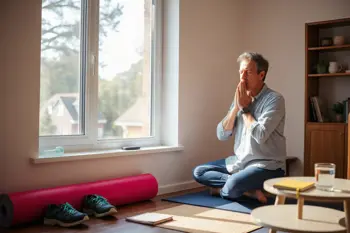
Slow, controlled breathing can provide a structured way to reduce physiological arousal during stressful moments. A person may sit comfortably, relax the shoulders, and make the exhale slower and longer than the inhale. The technique should remain comfortable rather than forced. Regular practice can make it easier to recognize tension and respond before stress escalates into panic, agitation, or persistent rumination. 6
Progressive muscle relaxation offers another home-based option. It involves briefly tensing a muscle group, releasing it, and noticing the contrast between tension and relaxation before moving through other areas of the body. Guidance on this method describes tightening a group for about five seconds and releasing it for 10 to 15 seconds. This approach may be useful when stress is felt primarily through the jaw, neck, shoulders, hands, or legs. 7
Building sleep and daily routines
Sleep supports emotional regulation and the body’s ability to respond to stress. The Centers for Disease Control and Prevention states that most adults need at least seven hours of sleep per night. A consistent bedtime and wake time, a predictable wind-down period, and reduced late-day caffeine can make the home environment more supportive of rest. Stress itself can interfere with sleep, creating a cycle in which fatigue makes ordinary demands feel more difficult. 8
Daily routines can also reduce decision fatigue. Regular meals, hydration, planned pauses, and a defined stopping point for work help separate recovery time from ongoing demands. Limiting exposure to distressing news may be useful when constant updates intensify worry. A routine does not need to be rigid, especially for people with caregiving responsibilities, shift work, illness, or changing household demands. Its value comes from providing reliable periods for rest and basic care. 9
Mindfulness, planning, and the home environment
Mindfulness meditation, journaling, yoga, and tai chi focus attention on present sensations, thoughts, or movement. Evidence summarized by the National Center for Complementary and Integrative Health indicates that mindfulness may help some people with stress and anxiety, although results vary. A short practice can involve noticing breathing, identifying physical tension, or writing down a concern without immediately trying to solve every part of it. 10
Task planning addresses a different source of stress: the feeling that every responsibility is urgent. Large tasks can be divided into smaller steps, with realistic priorities chosen for the day. A written list may distinguish what must happen, what can wait, and what can be delegated. Quiet areas, natural light, reduced clutter, calming music, or a brief break from screens may also make it easier to shift from high alertness toward recovery. 1
Social connection, limits, and professional support
Supportive relationships are an important part of coping. Talking with a trusted friend, family member, community group, counselor, or health professional can reduce isolation and provide perspective. Social connection does not require a long conversation. A brief check-in, shared meal, or clearly stated request for practical help may be enough to make a stressful period more manageable. Setting limits on requests, work messages, and emotionally draining conversations can protect recovery time. 11
Home strategies have limits. Stress that persists, disrupts work or relationships, causes major sleep problems, or feels impossible to control warrants discussion with a qualified health professional. Thoughts of self-harm require urgent support through local emergency services or a crisis resource. Physical symptoms such as chest pain, severe breathing difficulty, or sudden neurological changes should not automatically be attributed to stress. An individualized assessment is important when symptoms are intense, new, or worsening. 12
Sources
- Sutter Health, 10 Simple Ways to Cope With Stress Every Day
- Stanford Medicine, Stress Management: Ways to Cope With Stressors Large and Small
- USA Today, How to Relieve Stress, According to Therapists
- Atlanta Journal-Constitution, 5 Ways to Reduce Stress at Home Right Now
- U.S. Department of Health and Human Services, Physical Activity Guidelines for Americans
- Acibadem Health Point, How To Relax: Practical Stress Relief Tips
- Real Simple, Six Simple Habits That Can Help You Feel Less Stressed
- Centers for Disease Control and Prevention, How Much Sleep Do I Need?
- Centers for Disease Control and Prevention, Coping With Stress
- National Center for Complementary and Integrative Health, Meditation and Mindfulness: Effectiveness and Safety
- World Health Organization, Stress Questions and Answers
- MedlinePlus, Managing Stress
Authored by MyTrendSpot team