Warning Signs of Polycystic Ovary Syndrome: An Analysis of Emerging Clinical Guidelines and Diagnostic Indicators
Polycystic ovary syndrome (PCOS), currently undergoing a transition in nomenclature to polyendocrine metabolic ovarian syndrome (PMOS) to better reflect its systemic nature, remains one of the most prevalent hormonal conditions affecting individuals of reproductive age 1. Affecting approximately 10% to 20% of women in some populations, the condition is characterized by a complex intersection of metabolic, hormonal, and reproductive disruptions 2, 3. Despite its high prevalence, many individuals experience significant delays in receiving an accurate diagnosis due to misconceptions regarding the presence of ovarian cysts and the variability of symptoms 1, 4.
Defining the Clinical Scope of PMOS
The recent international consensus to rename the condition from PCOS to PMOS underscores that the syndrome is not defined solely by the appearance of the ovaries on an ultrasound 1. While the term polycystic ovaries refers to the presence of numerous small, immature follicles that have stalled during the development process, these structures are not technically cysts 1. Instead, PMOS represents a multifaceted hormonal and metabolic environment where insulin resistance and androgen excess frequently disrupt normal ovulatory signals, leading to the clinical manifestations patients commonly report 1, 2.
Primary Indicators: The Menstrual Cycle and Androgen Excess
Irregular, prolonged, or absent menstrual cycles serve as a primary indicator of the syndrome, often emerging during adolescence or early adulthood 2, 3, 5. Clinical evaluation typically focuses on identifying signs of hyperandrogenism, which occurs when the body produces higher-than-normal levels of male-type hormones 3, 6. These elevated androgen levels frequently manifest through specific physical changes that many patients initially identify as isolated dermatological or cosmetic concerns rather than markers of a broader endocrine imbalance 3, 4.
- Hirsutism: The growth of dark, thick hair on the chin, upper lip, or abdomen 5.
- Acne: Persistent, deep breakouts often concentrated on the lower face and jawline 5.
- Alopecia: Thinning of scalp hair or widening of the hair part line 3, 5.
Metabolic Links: Insulin Resistance and Weight Management
A critical component of PMOS is its relationship with metabolic health, particularly regarding insulin sensitivity 1, 7. Many individuals report significant difficulty with weight management, noting that weight gain is often localized around the midsection 5. This metabolic dysfunction can be evidenced by clinical indicators such as acanthosis nigricans, which involves the development of dark, velvety patches of skin in areas like the neck, armpits, or groin 5. Furthermore, intense sugar cravings and post-meal energy crashes are frequently reported as part of the metabolic instability associated with the condition 5.
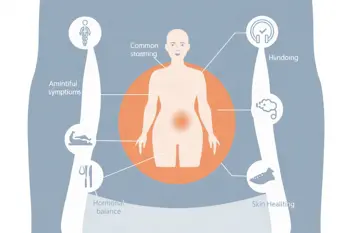
| Indicator Category | Common Clinical Observation |
|---|---|
| Metabolic | Difficulty losing weight despite calorie deficits |
| Skin | Dark, velvety patches in skin folds |
| Energy | Reported fatigue or energy fluctuations |
| Behavioral | Increased rates of reported anxiety or mood shifts |
Psychological and Systemic Symptoms
Beyond reproductive and physical changes, the systemic nature of PMOS impacts emotional well-being 3. Emerging research indicates that patients have a higher prevalence of anxiety and depression, which are increasingly recognized as clinical features of the syndrome rather than solely reactive states 5. Additionally, many individuals experience persistent fatigue that does not resolve with adequate sleep duration 5. These symptoms are often overlooked during initial medical consultations, despite their significant impact on the quality of life for those living with the condition 4, 8.
Diagnostic Considerations and Medical Oversight
The diagnostic process for PMOS is not a single test but a comprehensive evaluation that integrates medical history, physical examination, and blood tests to measure androgen levels 2, 3. While pelvic ultrasound is sometimes used to visualize ovarian follicles, medical guidelines often caution against over-diagnosis in the years immediately following menarche, as irregular cycles are common during this developmental stage 4. Exclusion of other endocrine disorders is a vital step in the process, as many symptoms overlap with other conditions that affect thyroid function or adrenal health 3, 4.
Long-Term Health Realities
Given the metabolic risks associated with PMOS, including an increased risk for type 2 diabetes and cardiovascular strain, ongoing management is essential for long-term health protection 3, 8. Management strategies are highly individualized, focusing on the patient's specific priorities, whether those involve cycle regulation, addressing skin symptoms, or supporting fertility 2, 4. Regular follow-up care is strongly recommended to monitor metabolic markers and adjust treatment plans as health needs evolve throughout the patient's life 2, 7.
Sources
- Cedars-Sinai: Understanding Polyendocrine Metabolic Ovarian Syndrome (PMOS)
- Acibadem Hospitals Group: Polycystic Ovary Syndrome Symptoms and Management
- Acibadem Hospitals Group: PCOS Symptoms, Causes and When to Seek Care
- Pulse Today: Key questions on polycystic ovary syndrome
- MNT: First Signs of PCOS: Early Symptoms and When to Worry
- The Independent: 6 early signs of PCOS that are often overlooked
- TheHealthSite: PCOS in women after 25: Gynaecologist explains early warning signs
- Medical Daily: Polycystic Ovary Syndrome (PCOS) Explained: Symptoms, Hormones, and Long-Term Risks
Authored by MyTrendSpot team