Ways to manage joint pain at home: An Analysis of Non-Surgical Strategies and Clinical Self-Care
Joint pain is a complex condition that affects millions of individuals, often stemming from degenerative issues like osteoarthritis, inflammatory diseases, or overexertion 2. Managing these symptoms at home requires a structured approach that balances activity with recovery while addressing the root causes of inflammation and discomfort 8. Understanding how to effectively modify daily routines can significantly improve an individual's quality of life and potentially delay the need for surgical interventions 5.
The Role of Movement and Therapeutic Exercise
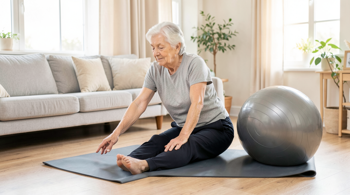
Physical activity remains a cornerstone of managing joint pain despite the tendency to limit motion when discomfort arises 6. Avoiding movement can lead to muscle atrophy and increased joint stiffness, creating a cycle that exacerbates pain levels over time 1. Engaging in low-impact activities such as walking, swimming, or cycling allows for joint mobilization without the excessive stress associated with high-impact exercises 11. Gradual introduction of resistance training can further support the joints by strengthening the surrounding musculature, which improves overall stability and balance 3.
For those new to exercise, physical therapy can offer tailored movement plans that maximize benefits while minimizing the risk of injury 3. Organizations such as the American College of Rheumatology emphasize that consistent, moderate exercise can significantly decrease pain and enhance functional independence 18. Individuals are encouraged to aim for 150 to 300 minutes of aerobic activity per week, supplemented by two sessions of strength training to maintain musculoskeletal health 3.
Temperature Therapy for Symptom Relief
The application of heat and cold provides localized, non-invasive relief for joint-related symptoms 13. Heat therapy, often administered through warm baths or moist heating pads, is particularly effective for relaxing muscles and easing the stiffness associated with mornings or prolonged inactivity 1. By increasing blood flow to the affected area, heat can help reduce the sensation of tightness and improve range of motion 11.
Conversely, cold therapy is typically utilized to mitigate pain and swelling during flare-ups 11. Short, controlled applications of ice or cold packs can act as a natural anti-inflammatory, helping to soothe redness and warmth within the joint 2. It is essential to exercise caution when using these methods, ensuring that temperatures are safe for the skin and that applications are limited in duration to prevent tissue damage 15.
Nutritional Strategies and Weight Management
A healthy diet plays a substantial role in managing chronic inflammation, which is often a driver of joint pain 3. Research into anti-inflammatory eating patterns, such as the Mediterranean diet, suggests that a plant-based focus can contribute to a reduction in pain markers 3. Incorporating foods rich in omega-3 fatty acids, such as certain types of fish, can support heart health and circulation, indirectly benefiting joint mobility and strength 5.
Weight management is equally critical for individuals experiencing pain in weight-bearing joints like the knees, hips, and back 9. Excess weight places significant mechanical stress on these structures, accelerating the wear and tear of cartilage 5. Achieving and maintaining a healthy weight through balanced nutrition can alleviate this pressure, often resulting in a noticeable improvement in daily symptoms and overall structural support 19.
Pharmacological Considerations and Topical Solutions
Over-the-counter medications are commonly employed to manage pain and swelling, though they should be used with clear understanding of their risks 2. Acetaminophen is frequently used for soreness, while nonsteroidal anti-inflammatory drugs (NSAIDs), such as ibuprofen or naproxen, target inflammatory proteins 2. The U.S. Food and Drug Administration warns that oral NSAIDs may cause serious side effects, including cardiovascular issues, kidney strain, and stomach bleeding, necessitating adherence to label directions 17.
Topical medications, including gels, sprays, and patches, offer an alternative for localized relief 7. These products may contain sodium channel blockers like lidocaine to numb nerve endings or topical NSAIDs like diclofenac, which reduce inflammatory proteins directly at the joint site with lower systemic exposure 7. Counterirritants containing menthol or capsaicin provide relief by creating cooling or tingling sensations that distract from the underlying pain signal 7.
Utilizing Assistive Devices and Activity Modification
Modifying daily tasks and utilizing assistive technology can help reduce strain on vulnerable joints 11. Simple changes, such as using supportive footwear, orthopedic braces, or specialized cervical pillows, can prevent unnecessary stress during routine activities 1. For instance, if jaw pain is present, consuming softer foods that require less bite force can prevent further irritation of the mandibular joint 1.
Maintaining a proactive but cautious approach to daily activity is essential. Knowing when to rest, when to use assistive aids, and when to modify a task is part of a successful long-term management strategy 8. By matching the intervention to the specific type of pain, such as distinguishing between morning stiffness and end-of-day inflammatory swelling, individuals can make more informed decisions about their daily care routines 8.
Recognizing When to Seek Professional Consultation
While home-based care is effective for many, it is not a substitute for professional medical evaluation, especially when symptoms are severe or persistent 2. Clinical assessment is necessary if joint pain lasts for more than several days or is accompanied by systemic symptoms 2. Medical attention should be sought immediately if an individual experiences fever not associated with the flu, unexplained weight loss of 10 pounds or more, or if a joint becomes hot, red, and swollen to the point where it cannot bear weight 2. Early diagnosis by a professional can rule out serious conditions such as septic arthritis or bone infections, ensuring that the appropriate course of treatment is established 4.
Sources
- Arthritis Foundation: Tips to Ease Joint Pain
- MedlinePlus: Joint pain
- Arthritis Foundation: Natural Relief for Arthritis Pain
- Mayo Clinic: Arthritis Diagnosis and Treatment
- Cleveland Clinic: 7 Osteoarthritis Self-Care Tips
- Harvard Health: Exercise, an effective prescription for joint pain
- Arthritis Foundation: Fight Arthritis Pain Without Pills
- LifeWorks KC: A Guide to Joint Pain Treatment at Home
- Henry Ford Health: 8 Ways to Ease Joint Pain Now
- Oak Street Health: 10 Tips on How to Manage Arthritis Pain
- General Clinical Guidelines: Low-impact physical activity standards
- Centers for Disease Control and Prevention: Managing Arthritis Symptoms
- National Institute of Arthritis and Musculoskeletal and Skin Diseases: Arthritis Treatment Approaches
- MedlinePlus: Joint Pain Management
- Arthritis Foundation: Heat and Cold Therapy Guidelines
- American Academy of Orthopaedic Surgeons: Managing Arthritis Pain with Exercise
- U.S. Food and Drug Administration: Safety Advisories on NSAID use
- American College of Rheumatology: Exercise and Arthritis Recommendations
- Johns Hopkins Medicine: Weight Loss and Arthritis Impacts
- National Health Service: Evaluation for Joint Pain
Authored by MyTrendSpot team