Police impound jewelry and collectibles listing: A guide to understanding law enforcement asset disposal
Law enforcement agencies frequently manage collections of recovered, seized, or unclaimed property that must eventually be processed for disposition 14. When property such as jewelry, collectibles, electronics, or tools remains unclaimed after established holding periods, departments are often required by statute to either sell the items via public auction or, in some cases, recycle or destroy them 7, 11, 15. These listings serve as a mechanism for agencies to clear evidence rooms and return proceeds to the public treasury or fund local operations 6, 11, 12.
Understanding Property Holding Periods
Before any item can be listed for auction, police departments must adhere to strict legal timelines to protect the due process rights of original owners 2, 15. These holding periods vary significantly by jurisdiction; for instance, some municipalities mandate a 30-day window for lost property claims, while others may hold items for 90 days or longer to allow sufficient time for owners to come forward 4, 5, 14. Public notices are frequently published in local media or official registry platforms to notify the public of the pending disposal of unclaimed goods 2, 5, 15.
Platforms for Law Enforcement Auctions
Departments utilize various platforms to reach a wider audience for their surplus and seized inventories. Many agencies partner with third-party, specialized auction sites such as PropertyRoom.com, which was founded by former law enforcement officers to help municipal agencies manage seized items like jewelry, watches, and precious metals 6, 9. Other platforms, including GovDeals and local auction houses, are also used to facilitate the sale of everything from bicycles and power tools to luxury fashion items seized during criminal investigations 1, 8, 17.
The Nature of Seized and Unclaimed Inventory
The inventory found in these listings is diverse, reflecting the nature of items typically recovered by police departments. Common categories include electronics, construction tools, bicycles, and jewelry collections that were either abandoned or recovered from crime scenes 5, 11, 14. For instance, recent listings have featured items such as Rolex watches, Gucci handbags, PlayStation consoles, and various designer apparel 1. Occasionally, police also auction more specialized goods, including firearms or numismatic collections, though these often involve higher levels of regulatory scrutiny and specific legal requirements for transfer 3, 16, 20.
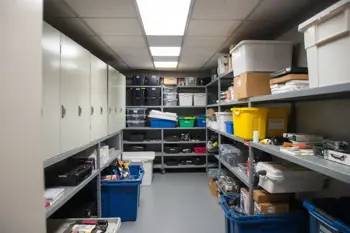
Guidelines for Claiming Your Property
If a member of the public believes they own an item currently held in a police evidence facility, they must typically initiate a claim process well before the expiration of the legal holding period 2, 4, 14. Agencies require proof of ownership, such as original receipts, photographs of the items, serial numbers, or police report documentation 2, 4, 5. It is standard procedure for owners to call the property or evidence unit of the relevant department to schedule an appointment and verify the specific documentation required for the release of the item 3, 10, 14.
Risks and Considerations for Auction Participants
Participants in police impound auctions should be aware that items are generally sold on an 'as-is' basis, meaning the buyer assumes all risks regarding the physical condition, functionality, or potential authenticity of the goods 6, 11, 19. Additional costs such as buyer premiums, sales tax, and third-party shipping fees are common in these transactions and should be factored into any budget 6, 8, 20. Because of the nature of these sales, participants are encouraged to perform thorough research on the specific terms and conditions provided by the auctioneer before placing a bid 12, 19.
Regulatory Oversight and Fraud Prevention
To ensure transparency, government agencies utilize formal procurement and auditing processes when disposing of seized assets. While legitimate police auctions are conducted through established municipal or authorized third-party channels, consumers are warned to be cautious of fraudulent websites that impersonate official government portals to solicit payments for non-existent inventory 11, 20. Official notices are typically published in reputable legal channels, and legitimate police departments will not solicit payments through unauthorized or obscure online platforms 2, 5, 15.
Sources
- San Antonio Express-News: SAPD Auction Features
- NoticeRegistry: Irvine Public Notice
- City of Spokane: Recover Property Instructions
- NoticeRegistry: Gresham Public Notice
- Salem Reporter: Unclaimed Property Notice
- BidProwl: PropertyRoom FAQ
- Lauritz.com: Police Auctions Guide
- JH News and Guide: Jackson Police Auction
- Powell Auction: Seizure Auction Terms
- NoticeRegistry: Port St. Lucie Notice
- WKRG: Mobile Police Auction
- Sault Ste. Marie Police: Seized Property Services
- GovAuctions.app: UK Police Auctions Guide
- UnclaimedNews.com: Retrieval Process
- NoticeRegistry: Davenport Notice
- Canadian Jeweller Magazine: RCMP Coin Appeal
- KTLA: Recovered Collectibles
- Woolsey Auction: Kansas City Tow Lot
- NoticeRegistry: Columbus Impound Notice
- Ridgely Auction: Confiscated Weapons Auction
Authored by MyTrendSpot team