Ways to manage lymphedema at home: Clinical guidelines for symptom control and fluid maintenance
Lymphedema is a chronic condition defined by the abnormal accumulation of protein-rich lymph fluid within bodily tissues, frequently affecting the arms or legs 1. It often arises as a secondary effect of medical interventions, such as surgery or radiation therapy for cancer, which may damage or remove lymph nodes 2. Because there is no curative treatment for the condition, management focuses on minimizing swelling, enhancing comfort, and preventing secondary health complications through a structured, lifelong self-care routine 3. This report provides an overview of established practices for individuals living with this condition.
Understanding the Role of Complete Decongestive Therapy
Complete Decongestive Therapy (CDT) is widely regarded as the clinical gold standard for lymphedema management 4. This therapeutic approach is typically divided into an intensive phase led by a certified professional and a subsequent maintenance phase that the patient manages at home 5. During the intensive phase, specialists educate patients on self-care protocols that are critical for long-term health 6. The maintenance phase requires a consistent daily commitment to these techniques to keep swelling under control and prevent the progression of tissue fibrosis 7.
Skin Care and Infection Prevention
Proper skin care serves as the primary defense against infections, most notably cellulitis, which is a serious bacterial complication that can exacerbate lymphedema 8. The lymphatic fluid buildup impairs local immune function, meaning even minor skin breaks can lead to infection 9. Individuals are advised to clean the affected area daily with mild, pH-balanced soap and lukewarm water, ensuring the skin is patted dry gently rather than rubbed 10. Regular use of fragrance-free moisturizer helps maintain the integrity of the skin barrier, preventing cracks that serve as entry points for bacteria 11.
Practical Measures for Injury Reduction
Protecting the affected limb from trauma is a cornerstone of daily lymphedema management. Common safety strategies include utilizing electric razors for hair removal to avoid nicks and cuts, and wearing protective gloves during household chores, gardening, or sewing 1. Sun exposure should be managed with high-SPF sunscreen, and the use of insect repellent is recommended to prevent bites that could trigger inflammation 1. Furthermore, clinical tasks such as blood draws, shots, and intravenous therapy should ideally be directed to the non-affected arm to prevent lymphatic stress 1.
Compression Therapy and Elevation Techniques
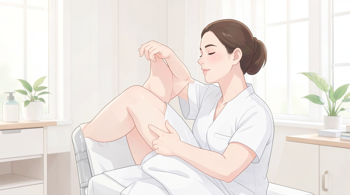
Compression garments, including sleeves or stockings, are essential tools for maintaining the reduction of swelling achieved through manual therapies 12. These garments apply constant external pressure, which assists in moving stagnant lymph fluid toward the heart 13. For maximum effectiveness, garments should be donned early in the morning when swelling levels are typically at their lowest 8. In addition to compression, elevating the affected limb above the level of the heart-facilitated by the use of pillows while lying down-allows gravity to assist in drainage 1.
Physical Activity and Therapeutic Exercises
Targeted exercises and stretches are designed to stimulate the lymphatic system and improve fluid flow through muscular contraction 3. When an individual moves the muscles of a swollen limb, the pumping action encourages lymph to drain from the interstitial spaces 3. While these exercises are beneficial, they should be performed within the scope of a plan provided by a therapist to ensure they are safe for the stage and severity of the condition 3. Deep breathing exercises are also recommended as a way to further facilitate internal fluid movement 14.
Lifestyle Adjustments and Clinical Warnings
Effective management also involves avoiding environmental and lifestyle factors that could exacerbate swelling. Patients are encouraged to steer clear of hot tubs, saunas, and extreme temperatures, including the use of heating pads or ice packs, as these can increase blood flow and worsen fluid buildup 1. Maintaining a healthy body weight and consuming a diet low in sodium and trans fats can contribute to reduced inflammation and better overall lymphatic health 3. It is imperative to monitor for signs of emergency, such as sudden increases in pain, redness, red streaks on the skin, or fever, which necessitate immediate medical attention 8.
Sources
- MedlinePlus: Lymphedema Self-Care Instructions
- Mayo Clinic: Lymphedema Diagnosis and Treatment
- Breastcancer.org: 13 Treatments and Home Remedies for Lymphedema
- National Lymphedema Network: Lymphedema Therapy Overview
- CancerRehabPT: Lymphedema Treatment and Management
- Fred Hutch Cancer Center: Treatment for Lymphedema
- Inciteful Med: Primary Lymphedema Management Guide
- Try Hard Guides: 10 Daily Steps to Manage Lymphedema
- National Center for Biotechnology Information: Overview of Lymphedema
- Lymphedasia: Exercises and Drainage Guide
- American Cancer Society: Skin Care and Lymphedema
- Cleveland Clinic: Understanding Lymphedema Management
- Memorial Sloan Kettering: Home-Based Lymphedema Care
- University of Michigan Health: Breathing and Lymphatic Flow
Authored by MyTrendSpot team