Nursing pay differences by state in the United States: An Analysis of Geographic Wage Disparities and Economic Variables
Registered nurse (RN) compensation exhibits significant variability across the United States, with nominal wages often dictated by geographic, regulatory, and demographic factors. In 2026, the national median RN salary reached approximately $102,730, yet individual state figures diverge sharply from this baseline 1. While raw salary data provides a starting point for comparing professional earnings, analysts emphasize that nominal pay figures rarely reflect the true purchasing power available to healthcare professionals in different regions. Factors such as state tax structures, local housing markets, and varying labor laws contribute to a complex financial landscape that varies substantially between states 5.
Geographic Distribution of Nominal RN Salaries
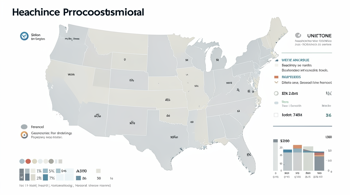
The highest nominal salaries for registered nurses are traditionally concentrated in Pacific and Northeastern states. California remains a prominent outlier, with median annual earnings frequently exceeding $130,000, driven by a combination of high living costs, robust union representation, and strict nurse-to-patient ratio mandates 4, 6. Similarly, states such as Hawaii, Oregon, Washington, and Massachusetts consistently rank in the top tier for average annual wages 5. These regions often maintain higher salary brackets to recruit and retain talent in environments where the cost of housing and daily essentials remains well above the national average 3.
Conversely, many states in the South and the Plains report lower nominal median wages, often falling significantly below the national benchmark. For instance, states like Mississippi, Alabama, and South Dakota often record median salary ranges in the $55,000 to $70,000 range 5, 7. While these figures are lower in raw dollar terms, economic researchers note that the absence of state income taxes in some of these regions, combined with a lower cost of living, can result in a more favorable financial experience than nominal salary rankings suggest 5, 8.
The Impact of Cost-of-Living Adjustments
Evaluating nursing pay requires a nuanced understanding of regional price parity. A salary that supports a specific lifestyle in a high-cost coastal city may not provide equivalent purchasing power in rural areas or smaller metropolitan centers 5. When salaries are adjusted for cost-of-living indices, the hierarchy of states changes significantly. Some states with moderate nominal salaries, such as Texas and Arizona, often climb in real-earner rankings because their housing and tax burdens are lower compared to high-wage hubs like New York or California 5, 8.
Healthcare economists utilize regional price parity data to determine where nurses achieve the highest value for their work. Even in states where the nominal wage appears lower, the lower expenses for necessities like childcare, transportation, and rent can effectively offset the difference in gross pay 5. This reality creates a financial divergence where nominal pay rankings do not always correlate with quality-of-life outcomes, forcing many professionals to weigh pure salary against the localized economic climate before committing to a specific region 8.
Regulatory Environments and Workforce Mandates
State-level regulation plays a primary role in shaping nursing compensation. States like California have codified nurse-to-patient ratios into law, such as the AB 394 mandate, which requires specific staffing levels for different hospital units 6. These regulations create a higher demand for nursing staff, which often pressures healthcare facilities to offer more competitive salary packages to maintain compliance 3. In contrast, states without such mandates may see different labor market dynamics where staffing levels are determined primarily by individual facility operational policies rather than statewide legal requirements 3.
The presence of strong professional associations and labor unions also influences salary negotiation power. In states where unions are deeply embedded in the healthcare system, collective bargaining often results in standardized pay scales, shift differentials, and benefits packages that contribute to the higher nominal averages observed in regions like the Pacific Northwest and the Northeast 6. These institutional factors create a structural floor for wages that is largely absent in regions with weaker labor protections, further widening the gap between different state nursing markets 7.
Demographic Trends and Labor Demand
Demographic shifts, particularly the aging of the U.S. population, are intensifying demand for nursing services across all states, though the intensity of this demand varies. States with a higher proportion of residents over the age of 65 often experience increased hospital admission rates, which directly drives the need for more full-time clinical staff 3. Massachusetts and other Northeastern states, which feature older demographic profiles, demonstrate this correlation between aging populations and sustained, high-level demand for medical labor 3.
Furthermore, rural versus urban labor market dynamics influence compensation. Rural regions often face localized shortages that result in specialized hiring incentives, such as student loan repayment benefits or sign-on bonuses, which are not always reflected in annual median salary data 8. While urban centers may offer higher base salaries, rural healthcare employers often compete through comprehensive benefits packages designed to attract nurses away from major metropolitan markets, creating a secondary layer to the geographic pay variation 8.
Methodological Considerations in Salary Comparison
It is essential for observers to distinguish between different types of wage reporting. Sources often provide either mean wages, median wages, or data derived from active job postings. The Bureau of Labor Statistics (BLS) Occupational Employment and Wage Statistics (OEWS) program provides perhaps the most consistent framework, as it utilizes standardized occupational codes across all 50 states to collect employer-reported data 1. Other data points, such as those from private recruitment platforms, might reflect current market sentiment or prospective job offers rather than the total average compensation currently paid to all active nurses in a given state.
| State | Estimated 2026 Median Salary | Regulatory Context |
|---|---|---|
| California | $133,000+ | Mandated Ratios |
| Massachusetts | $104,000+ | High Demand/Age Demographic |
| Texas | $85,000+ | Mid-Cost Market |
| Ohio | $75,000+ | Lower-Cost Market |
Relying on disparate data sources without accounting for these methodological differences can lead to an inaccurate assessment of nursing pay. A complete evaluation requires looking at both government-verified historical data and current, industry-specific market trends that account for the inclusion of bonuses, specialty premiums, and total benefit valuations 8.
Long-term Compensation Projections
The trajectory for registered nurse compensation remains positive, with annual salary growth projections following historical trends of roughly 5.3% compounded annually 1. As the healthcare industry continues to adapt to ongoing workforce challenges, including an projected 6% employment growth through 2034, competition for skilled nursing talent is expected to remain a significant factor in regional wage growth 8. However, this growth will likely continue to be unevenly distributed, with states that combine high cost-of-living adjustments with strong regulatory protections continuing to set the ceiling for nominal wage figures.
Ultimately, the choice of where to practice is an individual decision that requires weighing professional objectives against local economic realities. For nurses, understanding that state lines define more than just geographic boundaries-they delineate different compensation, workload, and protection frameworks-is fundamental to long-term career planning. The divergence in nursing pay by state is a reflection of the multifaceted nature of the U.S. economy, where compensation is rarely a simple function of labor alone but is deeply intertwined with regional policy, cost structure, and public health demands 7.
Sources
- Registered Nurse Salary by State (2026) - rnwages.com
- Nursing Pay by State 2026 - worldpopulationreview.com
- Nurse Salary by State 2026 - nursesalarydata.com
- Nurses Pay by State 2026 - worldpopulationreview.com
- Registered Nurse Salary by State After Taxes (2026) - takehometax.com
- RN Salary by State 2026 - providers.avahealth.co
- Best states for nurses in 2026 - qz.com
- Where It Pays to Be in Nursing - 2026 Study - aol.com
Authored by MyTrendSpot team