Heart attack warning signs that may be easy to overlook: Clinical perspectives on atypical cardiac symptoms
When most individuals envision a heart attack, the prevailing cultural narrative-largely shaped by dramatic media portrayals-features an individual suddenly clutching their chest before collapsing 5, 9. However, clinical reality often diverges from this cinematic representation. A significant percentage of individuals, estimated at 45% in some studies, experience cardiac events that present with symptoms too subtle to be immediately identified as a heart emergency 4. Understanding these nuances is critical because the "silent" or atypical presentation of cardiac distress is a documented phenomenon that occurs frequently in both men and women 3.
The Nature of Atypical Cardiac Symptoms
Heart attacks are defined by a restriction or total blockage of blood flow to the heart muscle, a process that does not always produce the classic sensation of crushing weight 5, 7. Instead, symptoms may emerge in a pattern that waxes and wanes over hours, days, or even weeks prior to a major event 1, 6. These sensations are frequently dismissed by patients as stress, aging, poor sleep, or benign indigestion, leading to significant delays in seeking professional medical help 5, 8.
Cardiologists emphasize that heart disease should be viewed as a pattern-based condition rather than one defined by a single, definitive symptom 8, 9. When discomfort is provoked by exertion and subsequently relieved by rest, the likelihood of a cardiac origin increases significantly 2. Identifying these subtle markers requires heightened awareness, particularly for those with existing risk factors such as high cholesterol, hypertension, diabetes, a sedentary lifestyle, or a family history of cardiovascular disease 2, 3.
The Role of Gender and Biological Differences
Biological factors significantly influence how cardiac symptoms are perceived and reported. Women are statistically more likely than men to experience atypical or non-traditional symptoms, which can lead to delayed diagnoses and higher rates of misattribution to stress or anxiety 3, 4, 7. These variances are often attributed to physiological differences that alter the way the body communicates distress during an ischemic event 6.
| Symptom Category | Commonly Overlooked Presentations |
|---|---|
| Gastrointestinal | Nausea, indigestion-like discomfort, heartburn |
| Musculoskeletal | Jaw pain, shoulder pain, back pain between blades |
| Neurological/Systemic | Unusual fatigue, dizziness, lightheadedness, confusion |
| Respiratory | Shortness of breath during previously easy activities |
Research indicates that women often report pain in the back, neck, or jaw, rather than the central chest 6, 7. Furthermore, women are more likely to experience nausea and extreme, unexplained tiredness 6. These findings suggest that public health education needs to evolve beyond the singular focus on chest pain to ensure more equitable and rapid outcomes for all patient populations 7.
Commonly Misinterpreted Warning Signs
Indigestion and abdominal pain are among the most frequently misidentified heart attack warning signs. Because these sensations can mimic gastrointestinal distress, they are rarely escalated to emergency care until the cardiac event has progressed 4, 5. Similarly, unexplained fatigue-a feeling of exhaustion that does not resolve with adequate sleep-is a potent indicator of cardiac compromise that is often ignored due to the demands of daily life 1, 2.
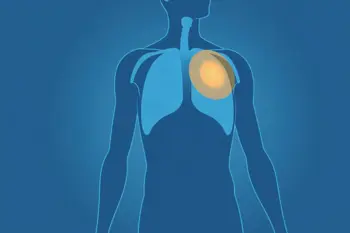
Other subtle markers include palpitations, which may feel like a fluttering or irregular heartbeat, and dizziness or lightheadedness that typically occurs during physical activity 8, 9. A cold, clammy sweat without a clear environmental or physical trigger is also considered a high-priority warning sign that requires immediate medical evaluation 4, 6. These indicators represent the body attempting to signal that the heart muscle is working under suboptimal conditions 2.
Psychological and Sleep-Related Indicators
Though less frequently discussed than physical pain, psychological and sleep-related changes are emerging as relevant markers of cardiovascular strain. Patients have reported a sense of anxiety or an overwhelming feeling of "impending doom" during cardiac events, which may be dismissed as stress-related panic rather than an physiological response to restricted blood flow 6, 7. The brain appears to react to the metabolic distress of the heart, manifesting in emotional or mental states that feel distinctly abnormal to the individual.
Sleep disturbances, including the sudden onset of insomnia or being abruptly awakened from sleep, have been documented in the lead-up to heart attacks 3. In the case of silent heart attacks, an individual may even experience these symptoms while sleeping and subsequently attribute the experience to a bad dream or simple snoring 3. When these symptoms recur, it is medically advised to treat them as potential indicators of systemic cardiovascular issues rather than temporary lifestyle disruptions 3, 8.
The Impact of Diabetes on Symptom Presentation
Individuals living with diabetes occupy a unique risk category regarding cardiac symptom recognition. Chronic diabetes can lead to the degeneration of the heart’s autonomic nerves, which are responsible for transmitting pain signals during a cardiac event 3. This process can essentially "silence" the typical physical warning signs, leading to a higher incidence of painless or atypical heart attacks in this demographic 3, 5. Consequently, health professionals emphasize that patients with diabetes must be exceptionally vigilant regarding minor changes in physical stamina or unexplained nausea 3, 5.
Professional Guidance and Emergency Response
The consistent medical consensus across cardiology departments is that "if something feels off, tell someone and call 911." 7 Delaying medical attention because a symptom does not mirror the dramatic, Hollywood-style heart attack can lead to preventable complications 5, 7. A key metric for assessing the urgency of a symptom is its relationship to exertion; if an activity that was previously performed without difficulty now triggers breathlessness, pain, or dizziness, it constitutes a reportable medical event 2, 8. When in doubt, objective clinical diagnostic tools, such as EKG and blood tests for troponin, provide the necessary verification that subjective feelings cannot offer 3.
Sources
- Cleveland Clinic: Warning Signs of a Heart Attack
- Harvard Health: 5 overlooked symptoms that may signal heart trouble
- Prevention: 6 ‘Silent Heart Attack’ Symptoms Cardiologists Want You to Know
- AdventHealth: Silent Heart Attacks: What to Know and When to Get Care
- Medical Channel Asia: Not Chest Pain? It Could Still Be a Heart Attack
- AP News: Women’s heart attack symptoms are different from men’s
- The Seattle Times: 5 warning signs of a heart attack, according to cardiologists
- Nebraska Medicine: Heart attack symptoms in women: Why they’re often missed
- Yahoo Health: These 5 Overlooked Symptoms Can Signal a Heart Attack, a Cardiologist Warns
- Men's Journal: These 5 Overlooked Symptoms Can Signal a Heart Attack
Authored by MyTrendSpot team