Early symptoms of esophageal cancer you should know: Clinical Analysis and Diagnostic Perspectives
Esophageal cancer is a serious malignancy that develops in the muscular tube connecting the throat to the stomach 1. Because this organ is flexible and can expand, small growths often do not produce noticeable symptoms until the tumor becomes large enough to cause physical narrowing of the passage 7. Medical professionals emphasize that early identification is critical, yet the disease frequently remains silent or mimics benign digestive conditions during its initial progression 1, 7.
Understanding the Anatomy and Disease Progression
The esophagus, often referred to as the gullet or food pipe, is tasked with transporting ingested food and fluids to the stomach via coordinated muscle contractions 2, 9. Pathologically, esophageal cancer typically originates in the cells lining this internal wall 4, 8. As the disease advances, the tumor may grow deeper into the wall, potentially spreading to nearby lymph nodes, blood vessels, or distant organs such as the liver 2, 4, 9.
Clinical classification generally divides the disease into two primary forms: adenocarcinoma and squamous cell carcinoma. Adenocarcinoma frequently arises in the lower third of the esophagus near the stomach, often linked to long-term acid reflux and Barrett’s esophagus 1, 3. In contrast, squamous cell carcinoma typically develops in the upper and middle sections, originating from the flat, skin-like cells that line the interior of the tube 1, 2.
Common Early Symptoms and Physical Sensations
Dysphagia, or difficulty swallowing, is widely cited as the most common presenting symptom of this malignancy 1, 11. Patients often describe the sensation as if food, liquids, or pills are sticking in the throat or chest area 7. Initially, this may only occur with solid foods, but as the tumor grows and narrows the esophageal passage, the ability to swallow even liquids can become compromised 2, 7.
Other physical indicators that clinicians monitor include:
- Persistent heartburn or indigestion that does not resolve 7.
- Unexplained chest pain or pressure sensations behind the breastbone 7, 13.
- Chronic cough or hoarseness that persists for several weeks 7, 14.
- Unintentional and unexplained weight loss, often resulting from an inability to maintain normal caloric intake 7, 12.
- Regurgitation of food or fluid, particularly when eating quickly 9, 16.
Diagnostic Look-Alikes and Misidentification
Esophageal cancer is frequently described as a clinical master of disguise because its earliest signs are often identical to much less serious, highly common conditions like gastroesophageal reflux disease (GERD) 7. Millions of people experience frequent heartburn, and when these symptoms occur regularly, it is easy to dismiss them as simple, manageable irritation 3, 7. However, medical experts warn that a sudden change or worsening in long-standing reflux patterns warrants thorough diagnostic investigation 3, 15.
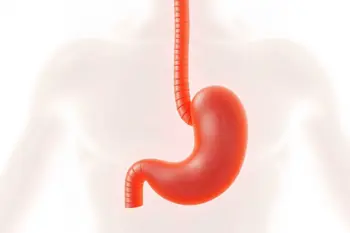
Because many patients with early-stage disease remain asymptomatic, diagnostic procedures often take place only after a threshold of obstruction is reached 7, 19. For those with identified risk factors, such as Barrett’s esophagus or chronic GERD, regular endoscopic monitoring is often suggested by healthcare providers to detect cellular changes before they progress to invasive cancer 3, 7.
Clinical Risk Factors and Population Trends
Certain demographic and lifestyle factors are associated with a higher likelihood of developing esophageal cancer. These include age-with higher prevalence in individuals over 50-as well as tobacco use, heavy alcohol consumption, and obesity 4, 7. Additionally, genetic predisposition and existing esophageal disorders like achalasia may play roles in individual risk profiles 4.
| Risk Factor Category | Clinical Consideration |
|---|---|
| Gastrointestinal | Long-term GERD and Barrett’s esophagus |
| Lifestyle | Tobacco use and heavy alcohol intake |
| Demographic | Age (typically over 45-50) |
| Physical | Obesity, specifically abdominal fat distribution |
The Role of Medical Evaluation
When symptoms such as persistent swallowing difficulty, unexplained weight loss, or bleeding are present, diagnostic evaluation usually involves an upper endoscopy, which allows physicians to visualize the interior of the esophagus 7, 18. A biopsy is typically performed during this procedure to confirm the presence of cancerous cells and determine the specific histological type of the tumor 7.
Early detection drastically alters the range of potential treatment approaches 7. When caught at an localized stage, interventions may include advanced endoscopic procedures or surgical resection, which are generally associated with more favorable clinical outcomes compared to cases identified after systemic spread 7, 10.
When to Seek Professional Consultation
General medical guidance suggests that individuals experiencing any persistent change in swallowing function or chronic digestive discomfort should consult a healthcare provider. While many of these symptoms will ultimately be attributed to non-malignant causes, the potential for early-stage malignancy requires that such issues are not dismissed or managed solely with over-the-counter interventions 7, 10.
Professional evaluation serves not only to rule out serious conditions but also to establish a baseline for those with chronic risks such as Barrett’s esophagus. By understanding the subtle nuances of these early symptoms, patients and clinicians can work together to ensure that diagnostic steps are taken at the most clinically opportune time 7.
Sources
- Penn Medicine: Esophageal Cancer Symptoms and Causes
- Guts UK Charity: Oesophageal Cancer Overview
- NewYork-Presbyterian: Esophageal Cancer: What To Know
- Drugs.com: Esophageal Cancer: What It Is, Symptoms, and Treatment
- WebMD: Gastric and Esophageal Adenocarcinomas
- Cancer Connect: Overview of Esophageal Cancer
- Gastro Associates: Spotting the Signs of Esophageal Cancer
- Inciteful Med: Esophageal Cancer Symptoms and Early Signs
- Respiratory Therapy Zone: Top 10 Early Warning Signs
- The Economic Times: Gastro doctor warns of early cancer signs
- American Cancer Society: Esophageal Cancer Detection and Diagnosis
- Mayo Clinic: Esophageal Cancer Symptoms and Causes
- Cleveland Clinic: Esophageal Cancer Indicators
- Johns Hopkins Medicine: Esophageal Cancer
- National Cancer Institute: Esophageal Treatment
- WebMD: Esophageal Cancer Physical Sensations
- Healthline: Esophageal Cancer Symptom Guide
- MedlinePlus: Endoscopy Procedures
- Mount Sinai Health System: Esophageal Cancer Information
Authored by MyTrendSpot team