Early signs of histamine intolerance: A clinical guide to symptom patterns
Early signs of histamine intolerance often appear as bloating, hives, itching, headaches, fatigue, or diarrhea after eating foods that are aged, fermented, or stored for extended periods. Because these reactions can involve several body systems and overlap with allergies, irritable bowel syndrome, and other conditions, the timing and combination of symptoms are important parts of clinical assessment. 1
Digestive symptoms often appear first
Gastrointestinal changes are among the most frequently reported early clues. Bloating, abdominal pain, nausea, diarrhea, and a sense of digestive discomfort may develop after a meal containing foods with higher histamine levels. Histamine is normally broken down in the gut, principally through the enzyme diamine oxidase, or DAO. Reduced DAO activity can allow histamine to accumulate and contribute to digestive symptoms. 2
The food context can provide useful detail, although it cannot establish a diagnosis by itself. Histamine levels may rise in foods that are aged, fermented, cured, or kept for longer periods, while most people tolerate these foods without difficulty. Similar digestive symptoms can also occur with small intestinal bacterial overgrowth, food allergy, infection, or other gastrointestinal disorders. 3
Skin changes and facial flushing
Sudden flushing, warmth in the face, itching, hives, or localized swelling are common skin-related signs associated with suspected histamine intolerance. These reactions may appear rapidly after eating and can resemble an allergic response because histamine participates in both processes. A repeated pattern involving specific meals, especially when digestive or headache symptoms occur at the same time, is more informative than an isolated episode. 7
Skin symptoms should not automatically be attributed to dietary histamine. True food allergies, chronic urticaria, medication reactions, eczema, and mast cell activation syndrome can produce overlapping findings. Rapid swelling of the lips, tongue, or throat, or breathing difficulty, requires urgent medical attention because these symptoms can indicate a serious allergic reaction rather than a mild food intolerance. 9
Headaches, fatigue, and dizziness
Neurological and general symptoms may include headaches, migraine-like episodes, dizziness, tiredness, and difficulty concentrating. Some people report that these symptoms occur within minutes to a few hours of eating a suspected trigger, while others notice them as part of a broader pattern that includes intestinal or skin changes. Headache alone is nonspecific, so the timing and presence of other symptoms matter. 4
Fatigue can be particularly difficult to interpret because it is associated with many medical and lifestyle factors. Histamine has roles in neurological function, sleep, cognition, and memory, but the presence of tiredness does not prove impaired histamine breakdown. A symptom record that notes the food, portion, storage history, onset time, and accompanying signs can help a clinician evaluate whether a consistent relationship exists. 5
Nasal and breathing-related symptoms
Histamine-related reactions may include a blocked or runny nose, sneezing, nasal irritation, and, in some cases, breathing difficulty. These symptoms can be mistaken for seasonal allergic rhinitis because both conditions involve histamine-mediated inflammation. The absence of a known pollen or environmental trigger does not confirm histamine intolerance, but recurrent nasal symptoms after particular foods can be relevant to a medical history. 5
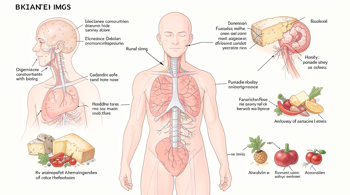
Breathing symptoms require careful distinction between a mild intolerance pattern and an emergency. Wheezing, throat tightness, rapidly increasing swelling, or significant shortness of breath should be treated as urgent symptoms. Histamine intolerance is a challenging diagnosis because there is no single universally accepted test that reliably explains every symptom pattern, and other allergic or respiratory conditions may need evaluation first. 8
Palpitations and blood-pressure changes
Some reported reactions involve the cardiovascular system, including a racing heartbeat, palpitations, flushing accompanied by weakness, dizziness, or a sudden fall in blood pressure. These effects may occur alongside gastrointestinal, skin, or respiratory symptoms rather than appearing independently. A rapid heartbeat has many possible causes, including anxiety, dehydration, medication effects, anemia, and heart rhythm disorders, so it should not be assigned to histamine intolerance without appropriate assessment. 6
The broader pattern is sometimes described as a multisystem reaction, meaning that more than one body system changes after a suspected exposure. This does not establish that dietary histamine is responsible. Conditions such as mast cell activation syndrome, medication reactions, food allergy, and gastrointestinal disease can create similar combinations. Persistent palpitations, fainting, chest pain, or severe light-headedness warrant prompt clinical attention regardless of suspected food triggers. 8
Timing, triggers, and diagnostic uncertainty
Symptoms are often reported within minutes to several hours after consuming foods such as aged cheese, fermented vegetables, cured meats, wine, or other products that may accumulate histamine during fermentation or storage. However, histamine content can vary according to preparation, freshness, storage conditions, and processing. This variability makes rigid food lists unreliable as a stand-alone diagnostic tool. 3
Assessment generally depends on a detailed history, exclusion of alternative explanations, and sometimes a short, supervised low-histamine dietary trial. Research cited in the supplied evidence found that a month-long low-histamine diet reduced blood histamine levels in adults, while a separate nine-month study reported fewer histamine-producing gut bacteria in women. These findings are informative but do not prove that every symptom is caused by histamine intolerance. 1
- Record the suspected food, preparation method, storage duration, portion, and symptom onset.
- Note whether digestive, skin, respiratory, neurological, or cardiovascular symptoms occur together.
- Avoid long-term restrictive diets without professional supervision because unnecessary exclusions can create nutritional limitations.
- Seek evaluation for allergy, gastrointestinal disease, medication effects, or mast cell disorders when symptoms persist or are severe.
Sources
- Health.com, “Could a Low-Histamine Diet Help You Feel Less Bloated and Tired?”
- Healthpath, “Histamine Intolerance Symptoms”
- Acibadem Hospitals Group, “High-histamine Content Foods: Evidence-Based Benefits, Risks, and Practical Guidance”
- Amy Burkhart, MD, RD, “Low Histamine Diet: What It Is, Food Lists & Does It Work?”
- American Academy of Allergy, Asthma & Immunology, “Histamine Intolerance”
- National Institutes of Health, review article on histamine intolerance
- Cleveland Clinic, “Histamine Intolerance”
- Frontiers in Nutrition, review of histamine intolerance and diagnostic challenges
- Allergy UK, “Histamine Intolerance Factsheet”
Authored by MyTrendSpot team