Early signs of lymphatic drainage blockage: A clinical guide to subtle lymphedema symptoms
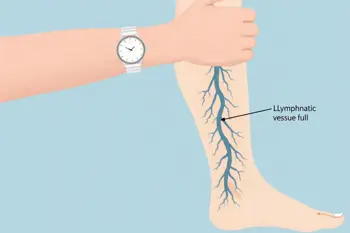
A slightly tight watch or heavy limb can be an early warning sign of impaired lymphatic drainage, even when visible swelling is limited. Early symptoms may involve changes in sensation, clothing fit, skin texture, or movement rather than dramatic enlargement of an arm or leg. 1
What lymphatic drainage blockage means
The lymphatic system collects excess fluid, proteins, fats, and immune cells from tissues and transports lymph through vessels and lymph nodes before returning it to the bloodstream. When vessels are injured, underdeveloped, disrupted, or obstructed, lymph accumulates in surrounding tissue. The resulting condition is called lymphedema. 2
Lymphedema may be primary, meaning related to abnormal lymphatic development, or secondary, meaning caused by an acquired problem such as cancer treatment, surgery, radiation, infection, trauma, or malignancy. Obesity, limited mobility, and recurrent infections are also described as risk factors. 2
Subtle sensations before obvious swelling
The earliest changes are not always visible. Affected people may notice heaviness, fullness, tightness, or a dull ache in one limb. A sleeve, shoe, ring, bracelet, or watch may feel more restrictive than usual, while the opposite limb remains unchanged. These differences can be especially relevant after lymph-node removal or regional radiation treatment. 1
Early lymphatic dysfunction can occur during a compensated phase sometimes called stage 0 or subclinical lymphedema. In that phase, lymphatic transport is impaired but fluid accumulation may not yet be large enough to produce clear swelling. Symptoms can therefore be sensory or functional, including a heavy feeling or altered tissue sensation. 3
Visible and physical changes to monitor
Persistent swelling in an arm, leg, hand, foot, breast, or nearby body region is the most recognizable sign. Swelling may be one-sided or affect both sides, and it can become more noticeable after prolonged sitting, heat, travel, or increased activity. Comparing the two limbs over time can help identify gradual asymmetry. 4
The skin may appear stretched, taut, or shiny, and movement at nearby joints can become less comfortable. Fingers, wrists, ankles, or toes may feel less flexible as fluid accumulates in surrounding tissues. Long-standing lymphatic stasis can produce thicker, harder, or coarser skin because inflammation, fibrosis, and changes in fatty tissue develop over time. 5
Why treatment history matters
A history of breast, pelvic, or other cancer surgery is clinically important because lymph nodes may be removed or lymphatic pathways may be altered. Radiation can also damage vessels and reduce drainage capacity. Secondary lymphedema may appear during treatment, months afterward, or later, so the absence of immediate swelling does not completely exclude future lymphatic dysfunction. 2
Research involving 51 patients with locally advanced breast cancer examined lymphatic pumping at several points after chemotherapy, surgery, and regional nodal irradiation. The study reported that impaired lymphatic pumping preceded dermal backflow, while earlier imaging research found dermal backflow could precede clinical breast-cancer-related lymphedema by 8 to 23 months. 6
Assessment and associated risks
Diagnosis generally begins with a medical history and physical examination, including the location, duration, distribution, and consistency of swelling. Clinicians may consider previous operations, radiation, infections, injuries, congenital conditions, mobility, and changes in limb size or skin texture. Imaging techniques used in specialist assessment can include lymphoscintigraphy, indocyanine green lymphography, and magnetic resonance lymphangiography. 5
Impaired drainage can increase vulnerability to skin complications because tissue fluid, inflammation, and barrier changes may support infection. Recurrent cellulitis or lymphangitis in an affected area warrants medical evaluation. Rapidly developing swelling, marked redness, warmth, severe pain, fever, or sudden shortness of breath should not be assumed to represent routine lymphedema because other urgent conditions can cause similar symptoms. 4
Management and long-term considerations
Management focuses on controlling swelling, protecting the skin, preserving movement, and reducing complications. Common clinical approaches include exercise appropriate to the person’s condition, compression garments or pressure-gradient dressings, meticulous skin care, weight management when relevant, and manual lymphatic drainage delivered as part of an individualized plan. Care may involve physicians, nurses, and certified lymphedema or rehabilitation therapists. 2
Lymphedema is usually chronic, and treatment may lessen symptoms, slow progression, and prevent complications rather than provide a permanent cure. Persistent fluid can contribute to fibrosis and adipose expansion, making later tissue changes more difficult to reverse. Early clinical assessment is therefore relevant when heaviness, tightness, asymmetry, reduced flexibility, or recurring infection appears, particularly after cancer treatment. 4
Practical symptom pattern
No single early symptom confirms lymphatic blockage, because swelling, discomfort, stiffness, and skin changes can also occur with venous disease, injury, infection, medication effects, or other medical conditions. The pattern is more informative when symptoms persist, occur mainly on one side, gradually progress, or appear in a region affected by surgery or radiation. 3
- A watch, ring, shoe, or sleeve becomes tighter on one side.
- An arm or leg feels heavy, full, tight, or mildly achy.
- Skin becomes taut, shiny, thicker, or harder than before.
- Nearby joints feel less flexible or movement becomes restricted.
- Swelling persists or limb size becomes visibly asymmetric.
- Redness, warmth, or recurrent skin infection develops in the area.
Sources
- The Times of India, “Lymphedema is more than just swelling”
- NCBI Bookshelf, StatPearls: Lymphedema
- MSD Manual Consumer Version, Lymphedema
- Merck Manual Professional Edition, Lymphedema
- Frontiers in Medicine, “Advances in etiology, pathophysiology, diagnosis, and management of lymphedema”
- Breast Cancer Research, “Lymphatic pumping failure in the arm precedes dermal backflow and breast cancer-related lymphedema”
Authored by MyTrendSpot team