Early symptoms of ovarian cysts: A clinical guide to subtle signs and urgent warnings
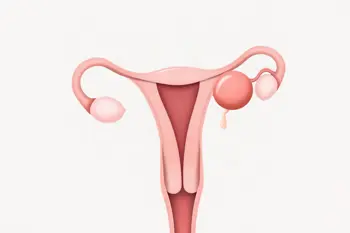
Early symptoms of ovarian cysts may include pelvic discomfort, pressure, bloating, or changes in menstruation, but many cysts cause no symptoms at all. Most ovarian cysts are fluid-filled sacs linked to normal ovarian activity and are noncancerous, although some can enlarge, rupture, or twist the ovary. 1
Why early symptoms can be hard to notice
Many ovarian cysts are discovered incidentally during a pelvic examination, ultrasound, or imaging performed for another reason. Functional cysts commonly form during the menstrual cycle when a follicle continues to enlarge or when the structure remaining after ovulation fills with fluid. These cysts often disappear without treatment, so the absence of symptoms does not confirm that no cyst is present. 1
When symptoms occur, their intensity often depends on the cyst’s size, location, type, and effect on nearby tissues. A small cyst may produce no sensation, while a larger growth can cause pressure or discomfort in the lower abdomen. Symptoms such as pelvic pain and bloating are not specific to cysts and may also result from other gynecologic, urinary, or digestive conditions. 4
Pelvic pain, pressure, and heaviness
Pelvic pain is one of the most recognizable possible symptoms. It may feel like a dull ache, pressure, heaviness, or a sharper pain below the bellybutton, sometimes more noticeable on one side. The discomfort can be constant or intermittent and may become more apparent when a cyst is large enough to stretch surrounding tissues. 5
Some people describe a sense of fullness or heaviness in the abdomen rather than distinct pain. Pelvic pressure can develop gradually and may be mistaken for ordinary menstrual discomfort. Persistent, recurrent, or unexplained pelvic symptoms warrant discussion with a clinician because symptom patterns alone cannot determine whether an ovarian cyst is present or whether another condition is responsible. 1
Abdominal, menstrual, and sexual changes
Bloating or visible abdominal swelling can occur when a cyst becomes sufficiently large to affect the abdomen. A person may also feel full after eating a small amount or notice a general sensation of abdominal fullness. These symptoms are nonspecific, particularly when they occur alone, but ongoing bloating combined with pelvic pressure should be medically assessed. 3
Ovarian cysts may coincide with menstrual changes, including heavier, lighter, earlier, later, or irregular periods, as well as increased menstrual discomfort. Pain during sexual intercourse is another possible symptom, especially when pelvic structures are sensitive or under pressure. These changes do not establish a diagnosis, but recording their timing in relation to the menstrual cycle can help a clinician evaluate the pattern. 6
Urinary and bowel symptoms from pressure
A larger cyst can press against the bladder and create urinary frequency or a stronger need to urinate. Pressure on the bowel may lead to constipation, difficulty emptying the bowel, or a feeling of fullness in the lower abdomen. Such symptoms generally reflect the cyst’s physical effect on nearby organs rather than a unique ovarian symptom. 7
Urinary or bowel changes should not automatically be attributed to an ovarian cyst. Similar symptoms can arise from infections, digestive disorders, pregnancy, medication effects, or other pelvic conditions. Medical evaluation becomes more important when these symptoms persist, occur with pelvic pain or bloating, or represent a clear change from a person’s usual pattern. 2
Symptoms that may signal an urgent complication
Sudden, severe abdominal or pelvic pain can occur if a cyst ruptures or causes the ovary to twist, a condition known as ovarian torsion. Nausea and vomiting may accompany this type of acute pain. These symptoms require urgent medical assessment because torsion can affect blood flow to the ovary, while rupture can sometimes cause internal bleeding. 5
Severe pain accompanied by fever, dizziness, weakness, fainting, cold or clammy skin, or rapid breathing is especially concerning. These signs may indicate bleeding, infection, rupture, twisting, or another serious condition. Immediate medical care is appropriate for this combination of symptoms rather than observation at home. 5
How clinicians investigate possible ovarian cysts
A clinician may begin with a medical history, symptom timeline, menstrual information, and pelvic examination. Ultrasound is commonly used to confirm whether a growth is present and to examine its size and appearance. Imaging can help distinguish a simple fluid-filled cyst from a more complex mass, although the appropriate assessment depends on symptoms, age, reproductive status, and other clinical findings. 1
Most functional cysts in people who menstruate resolve over several weeks or a few months, but follow-up depends on the cyst’s characteristics and the person’s symptoms. Cysts occurring after menopause require careful assessment because ovarian cancer is more likely in older women than in reproductive-age women. Persistent symptoms, increasing abdominal size, or a cyst that does not resolve should be reviewed by a qualified clinician. 3
Sources
- Merck Manual Consumer Version: Ovarian Cysts and Other Benign Ovarian Masses
- Jean Hailes: Ovarian Cysts
- Nebraska Medicine: Ovarian Cysts: Symptoms, Diagnosis and Treatment
- NewYork-Presbyterian: What to Know About Ovarian Cysts
- Memorial Health System: Ovarian Cysts
- Mayo Clinic: Ovarian Cysts, Symptoms and Causes
- NHS: Ovarian Cyst
Authored by MyTrendSpot team