Warning signs of bacterial vaginosis explained: Clinical insights into symptoms, diagnosis, and management
Key facts
- Bacterial vaginosis occurs when the normal balance of vaginal bacteria is disrupted, leading to an overgrowth of certain anaerobic organisms 1 2.
- Common symptoms include a thin, grayish-white or yellow discharge and a distinctive fishy odor that may intensify after sexual activity 3 2 4.
- Diagnosis is typically performed by a healthcare professional using clinical criteria or laboratory tests to rule out other infections like yeast or trichomoniasis 3 5 4.
- Treatment generally involves prescription antibiotics, such as metronidazole or clindamycin, administered orally or via vaginal gels 6 5 7.
Bacterial vaginosis is one of the most common causes of vaginal symptoms among women of reproductive age 8 4. The condition results from an imbalance in the natural vaginal microbiota, where protective bacteria, known as lactobacilli, decrease while other anaerobic bacteria increase 8 2. While many individuals with this imbalance experience no symptoms at all, others may notice specific changes that warrant clinical attention 1 4. Because these symptoms can overlap with those of other conditions, including sexually transmitted infections or yeast infections, medical assessment is necessary to determine the correct cause and appropriate treatment 5 4.
Identifying potential symptoms
When bacterial vaginosis causes symptoms, the most frequently reported sign is a thin, grayish-white or yellow vaginal discharge 3 2. A defining feature often mentioned is a strong, fishy odor, which may become more pronounced following sexual intercourse or during menstruation 1 4. It is important to note that these signs are not definitive indicators of bacterial vaginosis on their own, as they can also be associated with other vaginal disorders 5 9. Many individuals experience no discomfort or discharge, meaning the condition may go unnoticed until detected during routine screenings or examinations 1 4.
Professional diagnosis and assessment
Because symptoms of vaginitis are nonspecific, a qualified healthcare professional must conduct an assessment to confirm the diagnosis 5 4. Clinicians often utilize the Amsel criteria, which involve evaluating four clinical findings: the presence of thin, homogeneous discharge, a vaginal pH greater than 4.5, a fishy odor when potassium hydroxide is added to a sample, and the identification of clue cells-epithelial cells coated with bacteria-under a microscope 3. Additionally, modern diagnostic practices may include nucleic acid amplification tests (NAATs) or other laboratory-based molecular methods, which provide high sensitivity and specificity for identifying the underlying cause of inflammation 5 9 10.
Clinical treatment options
When diagnosis confirms bacterial vaginosis, treatment is usually centered on prescription antibiotics 1 2. The most common options include metronidazole and clindamycin, which may be prescribed as oral tablets or as topical vaginal gels and creams 6 5 11. These medications are designed to reduce the overgrowth of anaerobic bacteria and help restore the natural microbial balance 2 11. A full course of medication is typically required to ensure effectiveness, and clinicians often advise against the consumption of alcohol while taking metronidazole, as it can cause adverse reactions 7 11.
Care settings and access
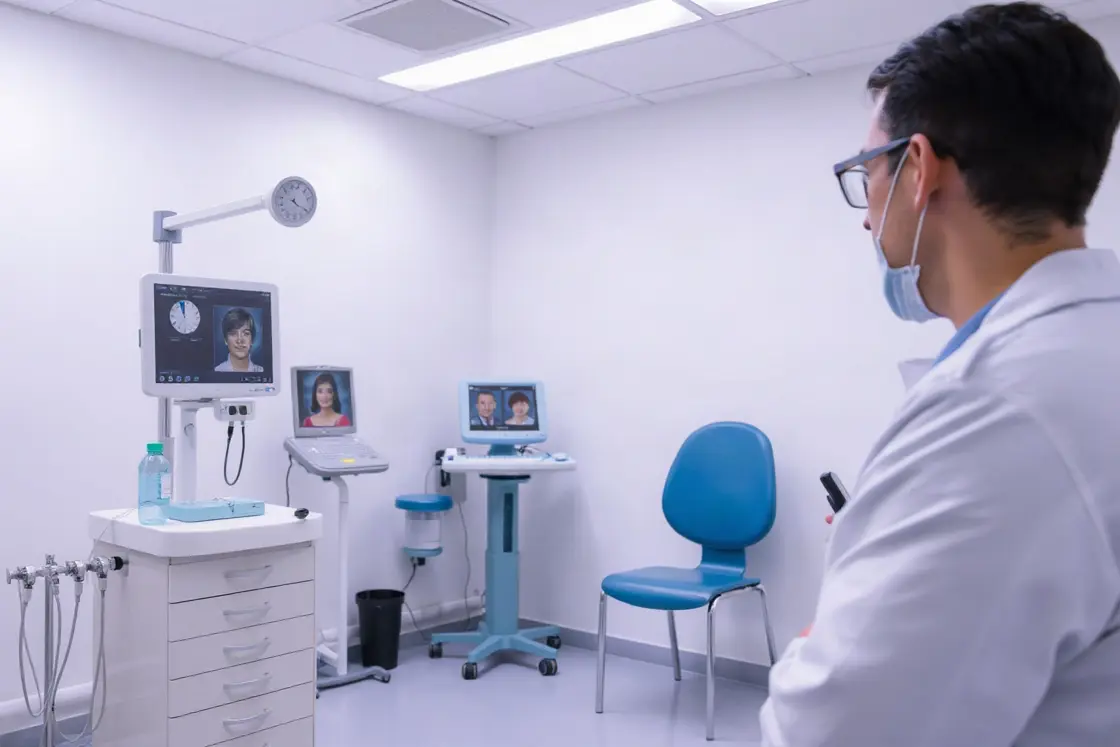
In the United States, evaluation for vaginal symptoms is available through a variety of healthcare settings, including primary care physician offices, gynecologists, sexual health clinics, and urgent care centers 4 7. Furthermore, telemedicine services have emerged as a pathway for consulting with clinicians regarding uncomplicated symptoms, providing a way to discuss medical history and obtain prescriptions when appropriate 7 12. Patients with recurrent symptoms, pelvic pain, fever, or pregnancy are generally advised to seek in-person evaluation to rule out more complex conditions 7 12.
Cost and coverage considerations
The cost of assessing and treating bacterial vaginosis varies depending on the facility, the type of testing required, and individual coverage 12. While some diagnostic laboratory tests are billed to insurance, out-of-pocket expenses can occur if tests are not covered or if a person chooses a cash-pay service 9 12. Telemedicine consultations for these services have been reported in ranges of approximately 45 USD to 79 USD for the visit fee, with medication costs usually handled separately at a pharmacy 7 12 11. Costs for laboratory tests like DNA-based panels can vary widely, sometimes ranging from under 100 USD to over 400 USD depending on the specific methodology and the provider's billing practices 9.
Safety and follow-up
It is important for patients to complete the entire course of prescribed treatment, even if symptoms subside early 11. Recurrence is a known concern, as some data suggest a significant portion of individuals may experience repeat symptoms within one year 7. Regular follow-up with a healthcare provider is encouraged, particularly if symptoms persist after treatment or if there are concerns regarding potential complications or associations with other health conditions 7. Self-treatment using non-prescription products is generally discouraged, as misdiagnosis can lead to ineffective management or the failure to address other underlying infections that require different medical interventions 4 12.
Sources
- Overview: Bacterial vaginosis - InformedHealth.org - NCBI Bookshelf: https://www.ncbi.nlm.nih.gov/books/NBK298829/
- Bacterial Vaginosis (BV) - Women's Health - MSD Manual Consumer Version: https://www.msdmanuals.com/home/women-s-health-issues/vaginitis-cervicitis-and-pelvic-inflammatory-disease/bacterial-vaginosis-bv
- Amsel Criteria - StatPearls - NCBI Bookshelf: https://www.ncbi.nlm.nih.gov/books/NBK542319/
- Bacterial Vaginosis Testing: Cost, Accuracy & Where to Get Tested - EasySTD: https://easystd.com/bacterial-vaginosis-testing
- Vaginitis: Diagnosis and Treatment | AFP: https://www.aafp.org/afp/2025/1100/vaginitis
- Bacterial vaginosis: Learn More – Which treatments are effective for bacterial vaginosis? - InformedHealth.org - NCBI Bookshelf: https://www.ncbi.nlm.nih.gov/books/NBK298830/
- Bacterial Vaginosis Treatment Online | BV MD Video Visit | TeleDirectMD: https://teledirectmd.com/bv-treatment-online/
- Bacterial Vaginosis - StatPearls - NCBI Bookshelf: https://www.ncbi.nlm.nih.gov/books/NBK459216/
- Appropriate Diagnosis of Bacterial Vaginosis | AFP: https://www.aafp.org/afp/2026/0500/letter-bacterial-vaginosis
- CG-LAB-22 Nucleic Acid Amplification Tests Using Algorithmic Analysis for the Diagnosis of Vaginitis: https://www.anthem.com/medpolicies/abc/active/gl_pw_e001870.html
- Metronidazole Online Prescription — $45 BV Visit | Bidwell Health: https://bidwellhealth.com/medications/metronidazole-online
- BV Treatment Cost Without Insurance | Bidwell: https://bidwellhealth.com/blog/bv-treatment-cost
Authored by MyTrendSpot team