Best silicone scar removal sheets for surgery: Clinical Perspectives on Post-Operative Management
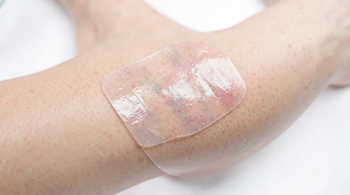
When managing surgical recovery, the application of silicone scar sheets represents a common, non-invasive method for addressing raised or hypertrophic tissue 1, 6. These semi-occlusive dressings are designed to modulate the healing environment, often used by patients to help soften, flatten, and reduce the discoloration of scars once a surgical incision has fully closed 5, 6. As with any post-operative care, efficacy can vary based on individual physiological responses, adherence to consistent wear schedules, and the specific characteristics of the surgical site 3, 4.
The Clinical Mechanism of Silicone Therapy
Silicone gel sheets function primarily through a process of semi-occlusion, which helps maintain hydration at the site of the scar and reduces transepidermal water loss 5. By regulating the moisture levels and providing a protective barrier, these dressings are intended to modulate fibroblast activity and discourage the excessive collagen production often associated with hypertrophic and keloid scarring 5, 6. Clinical observations suggest that these properties may improve the texture, pliability, and color of maturing scars when used during the remodeling phase 2, 6.
It is important to note that while silicone therapy is a widely utilized baseline intervention, current scientific literature indicates that no single non-surgical modality yields universal results across all patients 4. Meta-analyses frequently highlight the heterogeneity of existing studies, meaning that while many clinicians recommend silicone sheets as a primary or adjunctive treatment, evidence regarding their standalone effectiveness for existing keloids remains limited and subject to debate in professional circles 4, 5.
Essential Considerations for Surgical Site Application
Before implementing any scar management regimen, patients must verify that the surgical incision has completely closed, as silicone sheets should never be applied to open, draining, or infected wounds 6. Proper hygiene is crucial, as the sheets themselves may trap moisture or sweat against the skin if not removed and cleaned according to manufacturer instructions 3. Most commercial silicone sheets, such as those produced by brands like ScarAway or Cica-Care, are designed for reusability, allowing them to be washed and reapplied over a period of weeks 1, 3.
Criteria for Selecting and Applying Sheets
- Medical-Grade Material: Seek products formulated with 100% medical-grade silicone to ensure skin compatibility 2.
- Consistent Adhesion: The sheet must remain in contact with the scar for the majority of the day to be effective; however, users with sensitive skin should monitor for irritation 3.
- Proper Sizing: Many options, such as AWD Medical tape, offer cut-to-fit rolls, which are often more practical for longer or irregularly shaped surgical incisions 2.
- Clinical Guidance: Always follow the specific wound-care protocol provided by the performing surgeon, as they may suggest delaying treatment or combining sheets with other therapies 3, 5.
Comparative Analysis of Scar Management Options
The market for scar management includes various formats beyond traditional sheets, such as silicone gels, pressure-relieving dressings, and specialized tapes 6. While silicone sheets are frequently praised for their durability and physical barrier support, some patients may find them cumbersome on curved body areas, leading them to opt for liquid gels like those from Biocorneum or Mederma for easier application 3, 9. The selection often depends on the patient's lifestyle and the specific anatomical location of the surgery 3.
| Format | Key Feature | Primary Use Case |
|---|---|---|
| Silicone Sheets | Continuous Occlusion | Raised/Hypertrophic Scars |
| Silicone Gels | Ease of Application | Sensitive or Exposed Areas |
| Tension-Reducing Strips | Physical Support | Post-Surgical Incision Support |
Managing Realistic Patient Expectations
Expectation management is a critical component of scar reduction therapy. Research indicates that improvements are typically incremental, with new scars often showing signs of change within 8 weeks of consistent, daily usage 2. Older scars may require a longer treatment window, frequently ranging between 2 to 5 months of daily application 2. Patients should understand that total elimination of a scar is rarely the clinical outcome; rather, the objective is to improve the scar's aesthetic appearance and reduce potential symptoms like itching or discomfort 6.
Furthermore, because the effectiveness of these treatments varies based on the individual's history of scarring, it is recommended that patients consult with a dermatologist or plastic surgeon if they see no improvement after several months of use 3. In cases of severe keloids, silicone sheets may be used as a secondary or adjunctive therapy alongside procedures like laser treatments or corticosteroid injections rather than as a primary monotherapy 4, 5.
Regulatory and Safety Context
The clinical use of silicone sheets falls under general guidelines for non-invasive dermatological management. Most reputable products are registered as medical devices, and many are eligible for reimbursement through Health Savings Accounts (HSA) or Flexible Spending Accounts (FSA) depending on the specific insurance policy 2. Patients should be wary of products that lack clear manufacturing standards or medical-grade certification, as skin sensitivity can be a common adverse reaction if lower-quality materials are used 6.
Regulatory oversight organizations like the American Academy of Dermatology emphasize that a comprehensive scar management plan is individualized 3. Factors such as the location of the incision, the patient's skin tone, and the presence of any comorbidities must be considered before starting a long-term regimen. By adhering to evidence-based advice and maintaining open communication with healthcare professionals, patients can navigate the process of scar maturation with more predictable outcomes 4.
Sources
- New York Times Wirecutter, ScarAway Silicone Scar Sheets Review
- AWD Medical, Silicone Scar Tape Specifications
- Biocorneum, Best Silicone Sheets for Scars Guide
- Translational Breast Cancer Research, Systematic Review and Meta-Analysis of Scar Reduction Methods
- Wound Practice and Research, Silicone Gel Sheeting for Healing Keloid Scars
- Konlida Medical, Medical Silicone Scar Sheets Overview
Authored by MyTrendSpot team